Sleep · Brain health technique
Aromatherapy
Evidence grade: Mixed / Unclear
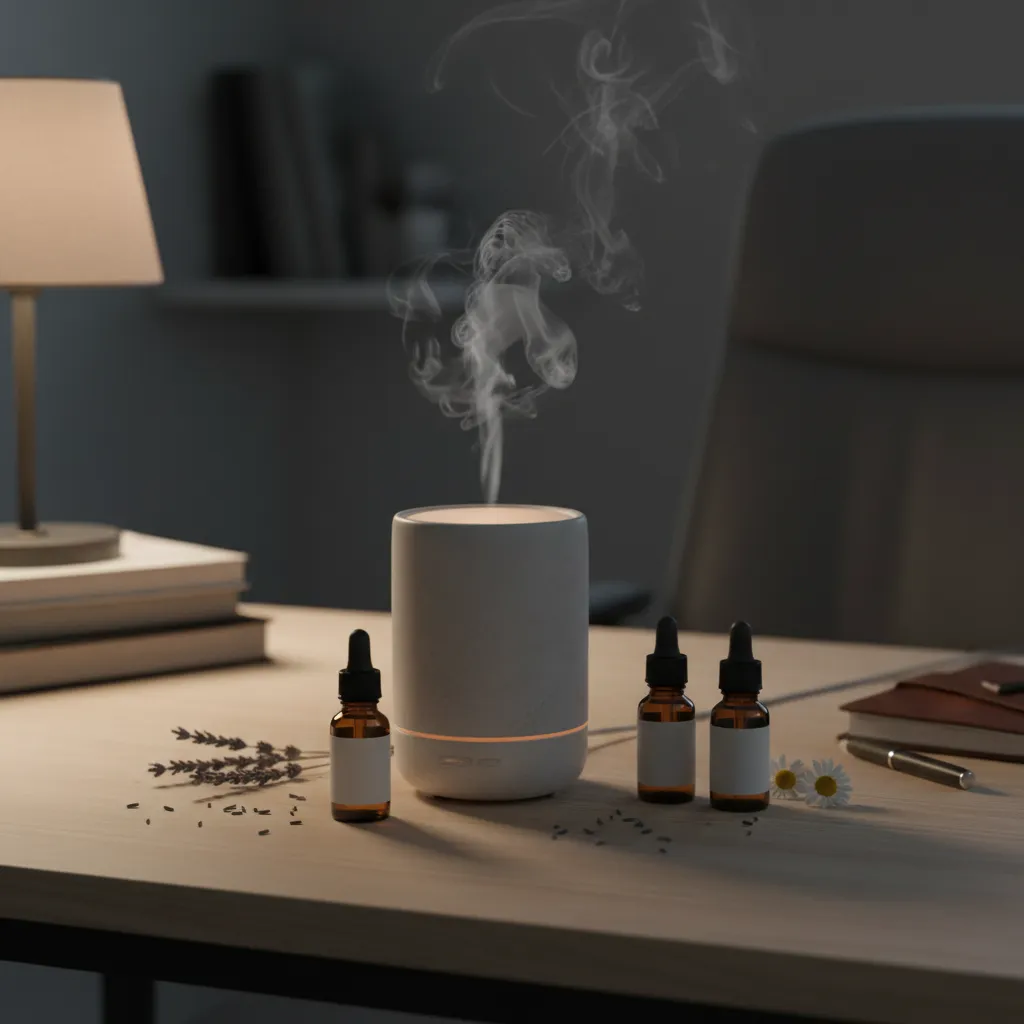
Use of essential oils (e.g., lavender, chamomile, bergamot) via diffusion or topical application before bed to promote relaxation and reduce pre-sleep arousal.
- Practice
- Sleep
- Principle
- Restoration
- Tactic
- Calm And Comfortable Environment
- Evidence grade
- Mixed / Unclear
- Strength of evidence
- Medium
- Cost
- Medium
- Effort
- Low
- Time commitment
- Low
How to practice Aromatherapy
Diffuse essential oils for 15–30 minutes before bedtime or apply diluted oil to wrists or pillow. Choose calming scents you personally find pleasant. Avoid burning candles or high concentrations that irritate airways. Aromatherapy can complement a bedtime routine but should not substitute for behavioral sleep hygiene.
The evidence behind Aromatherapy
Inhaled lavender and related oils lower heart rate and modestly improve subjective sleep quality, but polysomnography data show small or inconsistent changes. Mechanistically, olfactory-limbic signaling reduces anxiety and sympathetic tone. Evidence mostly short-term, with placebo response likely contributing.
More Sleep techniques
Take control of your brain health
BetterBrain gives you a personalized protocol of techniques like these, backed by science and tailored to you.