Relate · Brain health technique
Random acts of kindness
Evidence grade: Mixed / Unclear
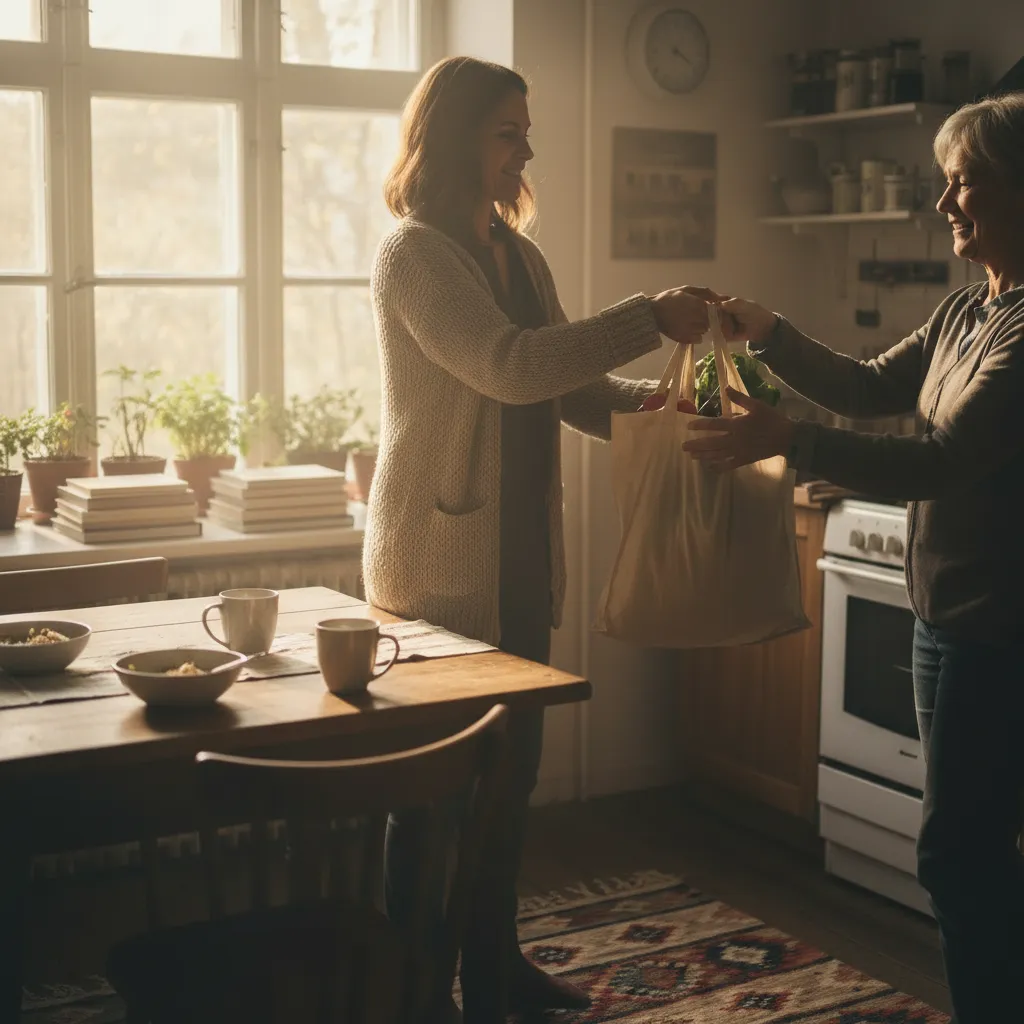
Small, spontaneous gestures that help or encourage others, offering assistance, compliments, or brief generosity, without expectation of reward.
- Practice
- Relate
- Principle
- Engagement
- Tactic
- Giving Back
- Health domains
- mental health
- Evidence grade
- Mixed / Unclear
- Strength of evidence
- Medium
- Cost
- Low
- Effort
- Low
- Time commitment
- Low
How to practice Random acts of kindness
Treat kindness as a mood and empathy practice, not a clinical intervention. Aim for one or two small acts weekly that feel genuine and unforced. Reflect afterward to reinforce positive emotion. Sustained volunteering or social engagement provides stronger, longer-lasting effects.
The evidence behind Random acts of kindness
Laboratory and field experiments show temporary boosts in mood, belonging, and life satisfaction after kind acts, but most effects fade within days to weeks. Physiologic or cognitive endpoints are largely untested. Mechanistic rationale, dopamine and oxytocin release, is plausible but inferred from acute studies. Benefits depend on frequency and intrinsic motivation.
More Relate techniques
Take control of your brain health
BetterBrain gives you a personalized protocol of techniques like these, backed by science and tailored to you.