Relate · Brain health technique
Virtual-reality (VR) social environments
Evidence grade: Experimental
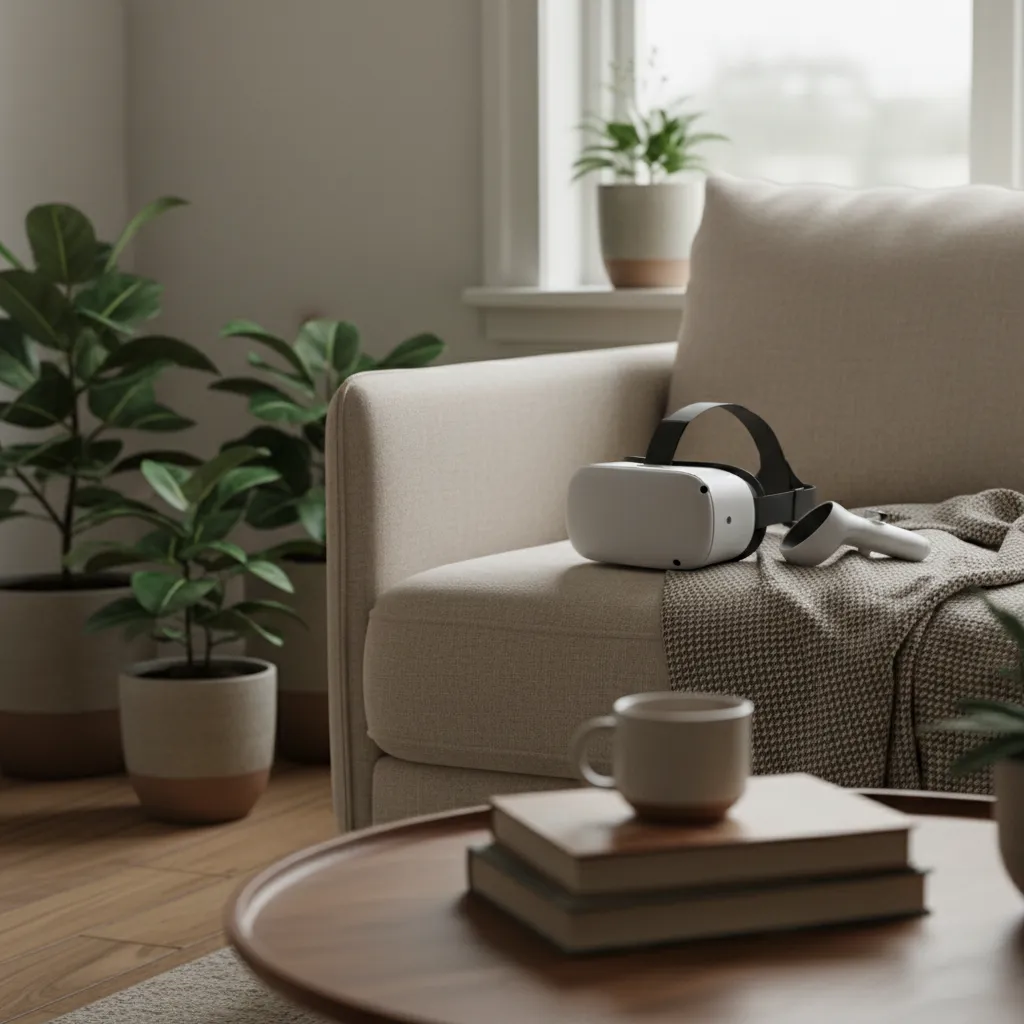
Immersive, avatar-based settings that simulate in-person social contact for connection, gaming, or therapy.
- Practice
- Relate
- Principle
- Engagement
- Tactic
- Build New Relationships
- Evidence grade
- Experimental
- Strength of evidence
- Low
How to practice Virtual-reality (VR) social environments
Use VR social platforms sparingly, 1–2 hours weekly, for structured classes, games, or therapy. Avoid replacing real-world contact. Ensure breaks and physical movement to prevent sensory fatigue or detachment.
The evidence behind Virtual-reality (VR) social environments
Small early studies show VR can reduce loneliness and increase engagement for home-bound users when used socially. Mechanistic plausibility (embodied presence and multisensory stimulation) is strong, but long-term safety and comparative efficacy data are limited.
More Relate techniques
Take control of your brain health
BetterBrain gives you a personalized protocol of techniques like these, backed by science and tailored to you.