Sleep · Brain health technique
Black-out shades
Evidence grade: Context Dependent
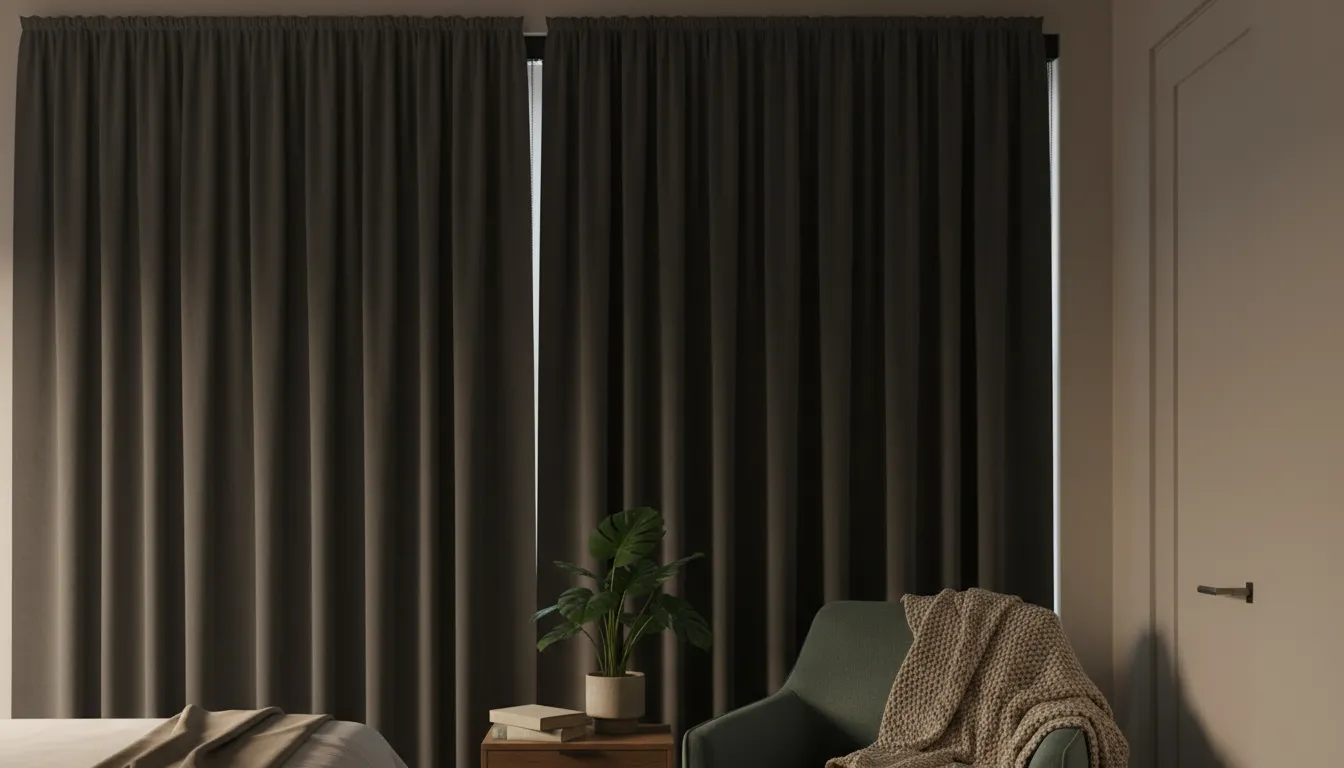
Heavy or opaque window coverings that block external light, especially streetlights or early morning sunlight, to preserve darkness throughout the sleep period.
- Practice
- Sleep
- Principle
- Restoration
- Tactic
- Calm And Comfortable Environment
- Evidence grade
- Context Dependent
- Strength of evidence
- Medium
- Cost
- Medium
- Effort
- Low
- Time commitment
- Low
How to practice Black-out shades
Install high-quality blackout curtains to achieve near-total darkness. Seal light leaks from electronics or streetlights. Allow morning natural light exposure immediately after waking to re-anchor circadian rhythm. If using nightlights for safety, choose dim red or amber hues below 5 lux.
The evidence behind Black-out shades
Even dim light (<10 lux) during sleep suppresses melatonin and raises nighttime heart rate, disrupting circadian rhythm. Population and laboratory studies link nighttime light exposure to poorer sleep efficiency. Mechanism: light exposure at night desynchronizes the suprachiasmatic nucleus and reduces restorative deep sleep. Evidence robust across age groups.
More Sleep techniques
Take control of your brain health
BetterBrain gives you a personalized protocol of techniques like these, backed by science and tailored to you.