Therapy · Brain health technique
Circadian / Light-Exposure Therapy
Evidence grade: Context Dependent
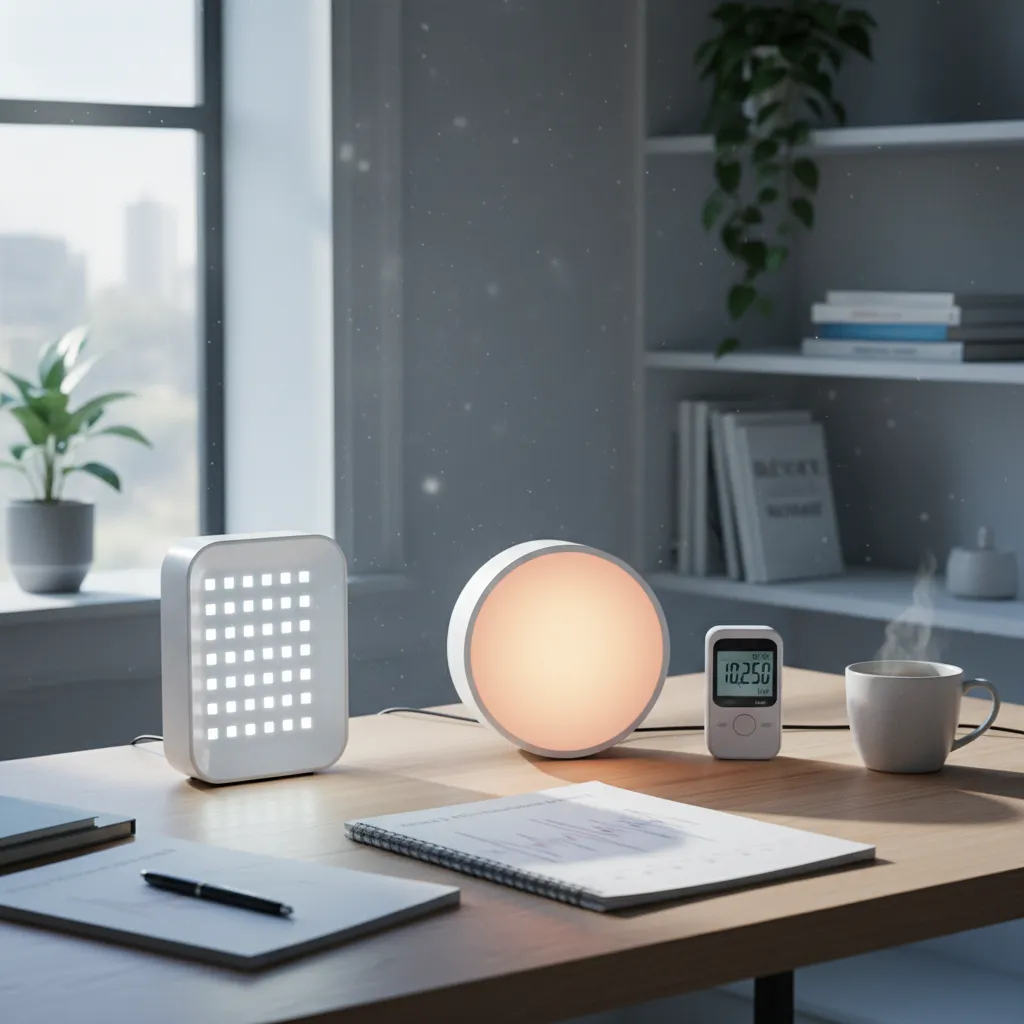
Controlled exposure to bright or timed light, usually morning light or light boxes, to synchronize circadian rhythms, improve sleep quality, and stabilize mood.
- Practice
- Therapy
- Principle
- Treatment
- Tactic
- Sensory Restoration & Enhancement
- Evidence grade
- Context Dependent
- Strength of evidence
- Medium
How to practice Circadian / Light-Exposure Therapy
Get 20–30 minutes of outdoor morning light within 1–2 hours of waking, or use a 10,000-lux light box at 16–24 inches distance. Maintain a consistent daily schedule. Avoid bright light late at night to prevent phase delay. Combine with regular sleep–wake times and movement for optimal circadian alignment.
The evidence behind Circadian / Light-Exposure Therapy
Robust evidence confirms that consistent light exposure in the morning enhances sleep efficiency, mood, and cognitive performance by strengthening circadian amplitude and melatonin timing. Mechanistically, bright light activates retinal melanopsin cells that reset the suprachiasmatic nucleus, regulating cortisol and body temperature cycles. Proven for circadian disorders, seasonal depression, and aging-related rhythm weakening.
More Therapy techniques
Take control of your brain health
BetterBrain gives you a personalized protocol of techniques like these, backed by science and tailored to you.