Therapy · Brain health technique
Cryotherapy
Evidence grade: Mixed / Unclear
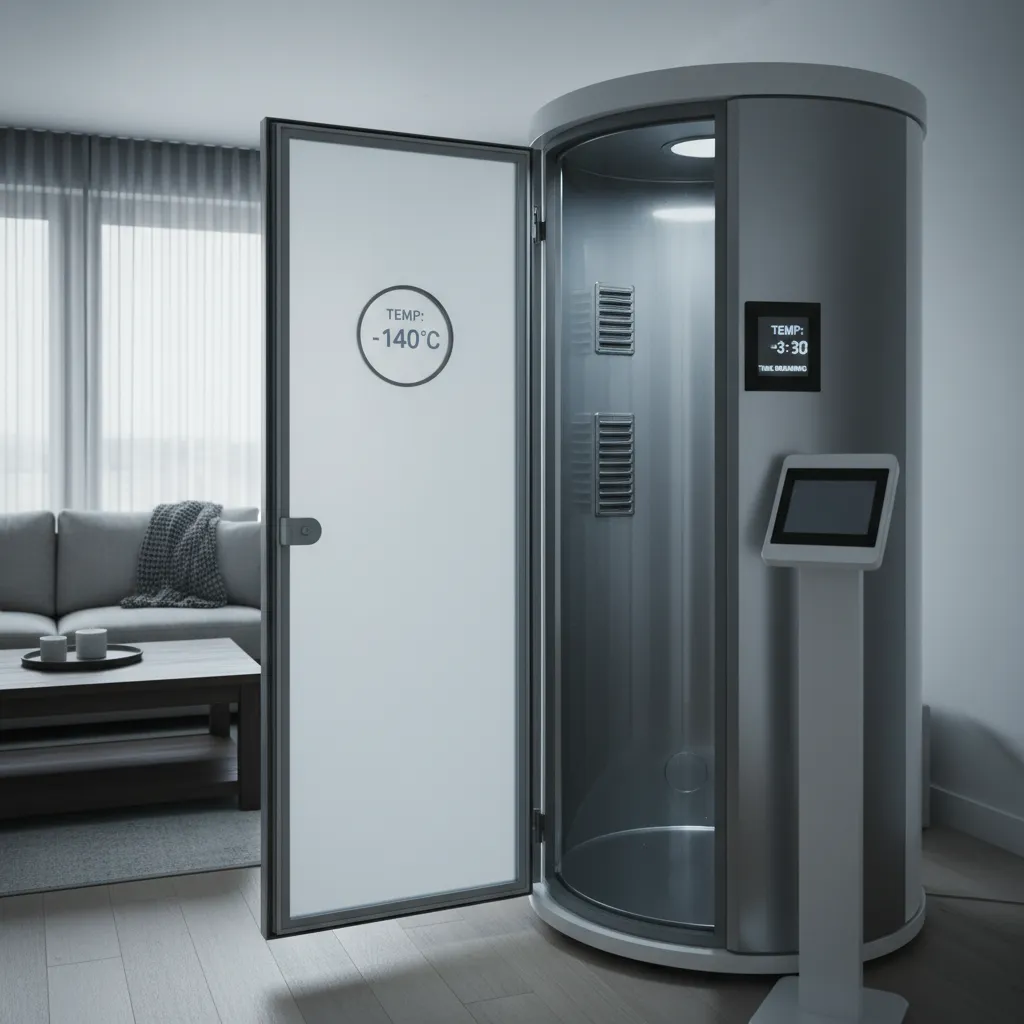
Whole-body or partial-body exposure to extremely cold air (–150 to –200°F / –110 to –130°C) for 2–4 minutes in a cryochamber, aiming to reduce inflammation and speed recovery.
- Practice
- Therapy
- Principle
- Treatment
- Tactic
- Physiologic & Environmental
- Evidence grade
- Mixed / Unclear
- Strength of evidence
- Medium
How to practice Cryotherapy
If used, limit exposure to 2–3 minutes per session, 2–3 times per week, and ensure chamber safety protocols are followed. Benefits are mainly subjective (feeling refreshed or energized). Avoid for cardiovascular disease, cold intolerance, or neuropathy. Prioritize proven recovery methods (sleep, nutrition, gentle activity).
The evidence behind Cryotherapy
Evidence for cryotherapy’s recovery or cognitive benefits is inconsistent. Some studies show transient reductions in soreness and inflammatory markers, but meta-analyses find no superiority over active recovery. Mechanism: brief vasoconstriction followed by rebound circulation and endorphin release. Potential risks include frostbite and cold burns.
More Therapy techniques
Take control of your brain health
BetterBrain gives you a personalized protocol of techniques like these, backed by science and tailored to you.