Sleep · Brain health technique
CPAP or other PAP devices
Evidence grade: Context Dependent
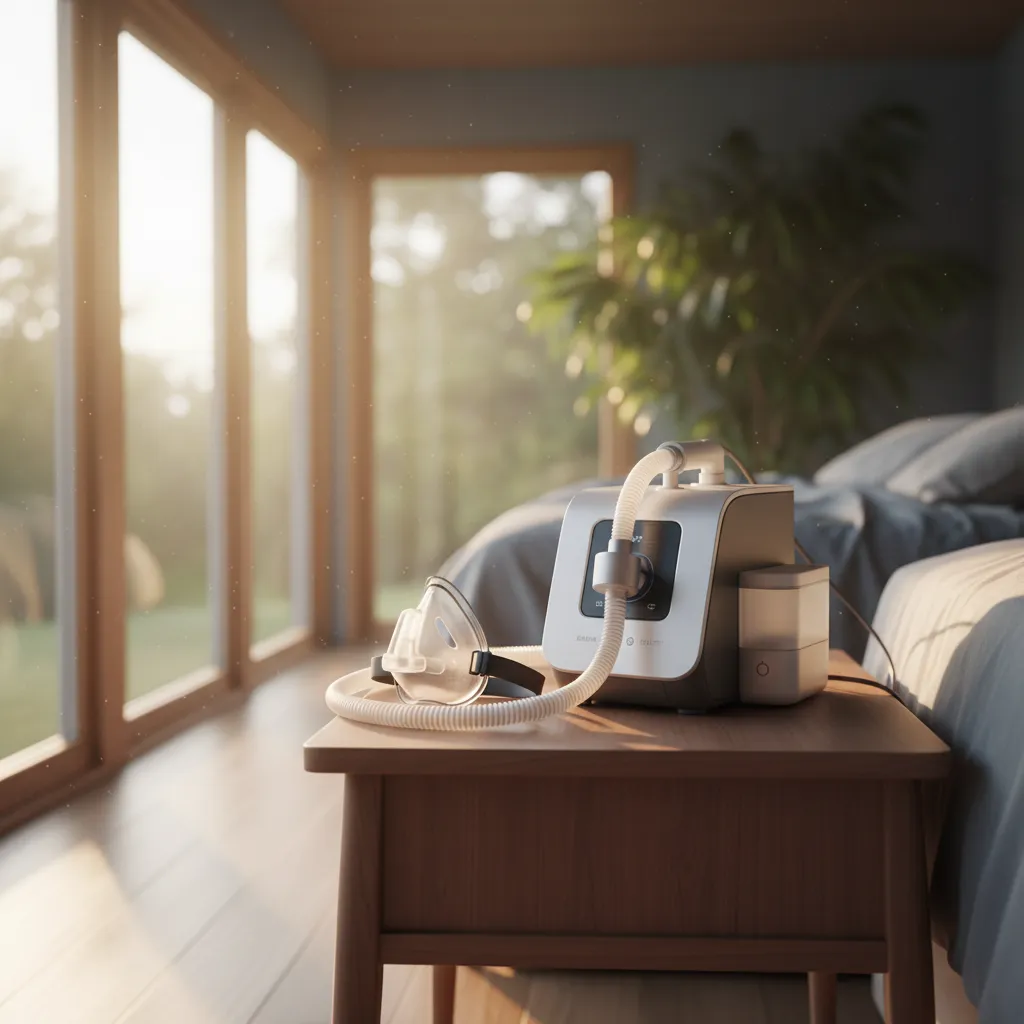
Machines that deliver continuous or bilevel positive airway pressure through a mask to prevent airway collapse during sleep, treating obstructive sleep apnea (OSA).
- Practice
- Sleep
- Principle
- Restoration
- Tactic
- Clinical Therapy
- Health domains
- hormonal, vascular
- Evidence grade
- Context Dependent
- Strength of evidence
- Medium
- Cost
- Medium
- Effort
- Medium
- Time commitment
- Low
How to practice CPAP or other PAP devices
For diagnosed OSA, use CPAP nightly for ≥4 hours (target 6–7). Ensure proper mask fit and pressure calibration. Clean equipment weekly. Compliance correlates directly with benefit, partial use gives limited protection. Re-evaluate annually or if symptoms return.
The evidence behind CPAP or other PAP devices
RCTs and long-term studies show CPAP restores oxygen flow, normalizes sleep architecture, and reduces cognitive decline and cardiovascular risk in OSA. Mechanism: prevents intermittent hypoxia and sleep fragmentation that damage attention, memory, and vascular health. Not indicated for those without sleep-disordered breathing.
More Sleep techniques
Take control of your brain health
BetterBrain gives you a personalized protocol of techniques like these, backed by science and tailored to you.