Therapy · Brain health technique
Float / Sensory Deprivation Therapy
Evidence grade: Context Dependent
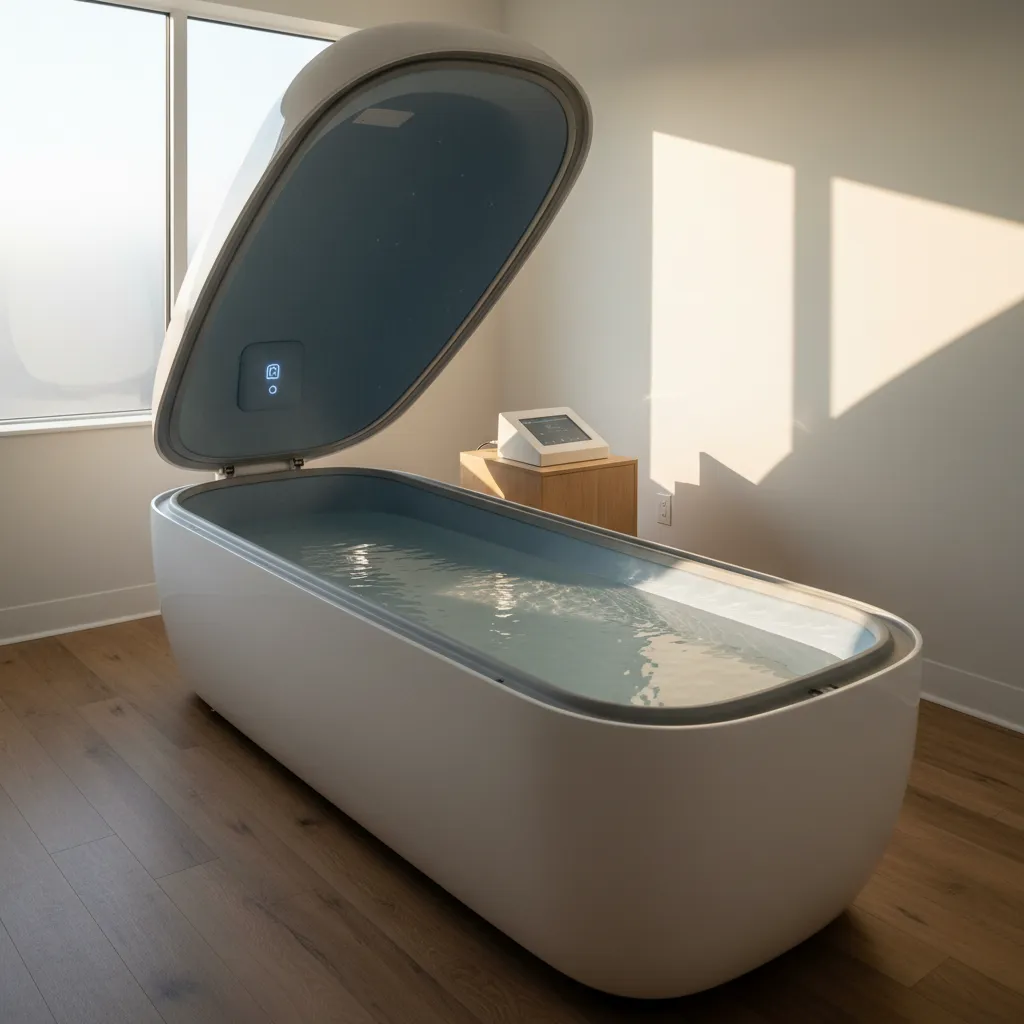
Immersion in a dark, soundproof tank filled with body-temperature saltwater to eliminate external sensory input and promote deep relaxation.
- Practice
- Therapy
- Principle
- Treatment
- Tactic
- Physiologic & Environmental
- Evidence grade
- Context Dependent
- Strength of evidence
- Medium
How to practice Float / Sensory Deprivation Therapy
Sessions typically last 45–90 minutes. Oftentimes, the initial session is suboptimal as you are dealing with a novel situation including itchiness, salty water in eyes, movement, etc. Many people find their groove in their second or third session is when they hit a groove. Useful for stress reduction, anxiety, or chronic pain management. Maintain hygiene and hydration; avoid if claustrophobic or prone to motion sickness. Consider as a complement to meditation or psychotherapy rather than a standalone brain intervention.
The evidence behind Float / Sensory Deprivation Therapy
RCTs and meta-analyses show consistent short-term reductions in stress, anxiety, and pain, with improvements in mood and sleep. Mechanism: removal of sensory input reduces amygdala activation and autonomic arousal, increasing parasympathetic tone. Evidence strong for acute relaxation, weak for sustained cognitive or neuroprotective benefits.
More Therapy techniques
Take control of your brain health
BetterBrain gives you a personalized protocol of techniques like these, backed by science and tailored to you.