Sleep · Brain health technique
Get morning light exposure
Evidence grade: Essential
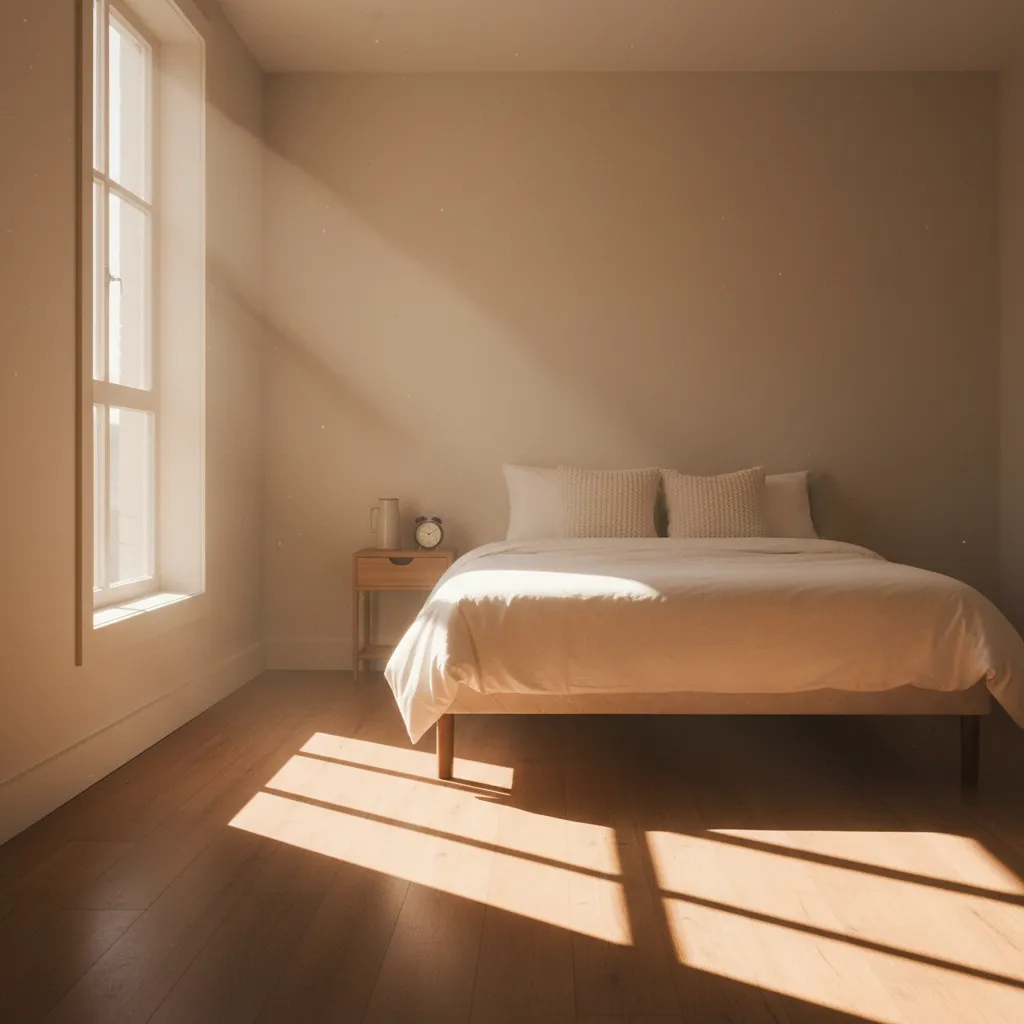
Exposing eyes to natural light soon after waking, preferably outdoor sunlight, to reinforce circadian alignment and alertness.
- Practice
- Sleep
- Principle
- Restoration
- Tactic
- Managing Light And Screens
- Health domains
- hormonal, metabolic
- Evidence grade
- Essential
- Strength of evidence
- High
- Effort
- Low
- Time commitment
- Medium
How to practice Get morning light exposure
Get 10–30 minutes of outdoor light within 1–2 hours of waking (even on cloudy days). If indoors, sit near a bright window or use a 10,000-lux light box for 15–20 minutes. Avoid sunglasses during this period unless medically necessary. Combine with light movement (walk or stretch) for additive alertness.
The evidence behind Get morning light exposure
Morning light anchors circadian rhythm by signaling “daytime” to the brain, suppressing residual melatonin and shifting cortisol release earlier. Studies show that ≥10 minutes of outdoor light exposure in the first 1–2 hours after waking improves mood, sleep timing, and next-night quality. Mechanism: retinal melanopsin activation synchronizes the suprachiasmatic nucleus. Evidence robust and reproducible.
More Sleep techniques
Take control of your brain health
BetterBrain gives you a personalized protocol of techniques like these, backed by science and tailored to you.