Therapy · Brain health technique
Hearing Optimization / Hearing Aids
Evidence grade: Context Dependent
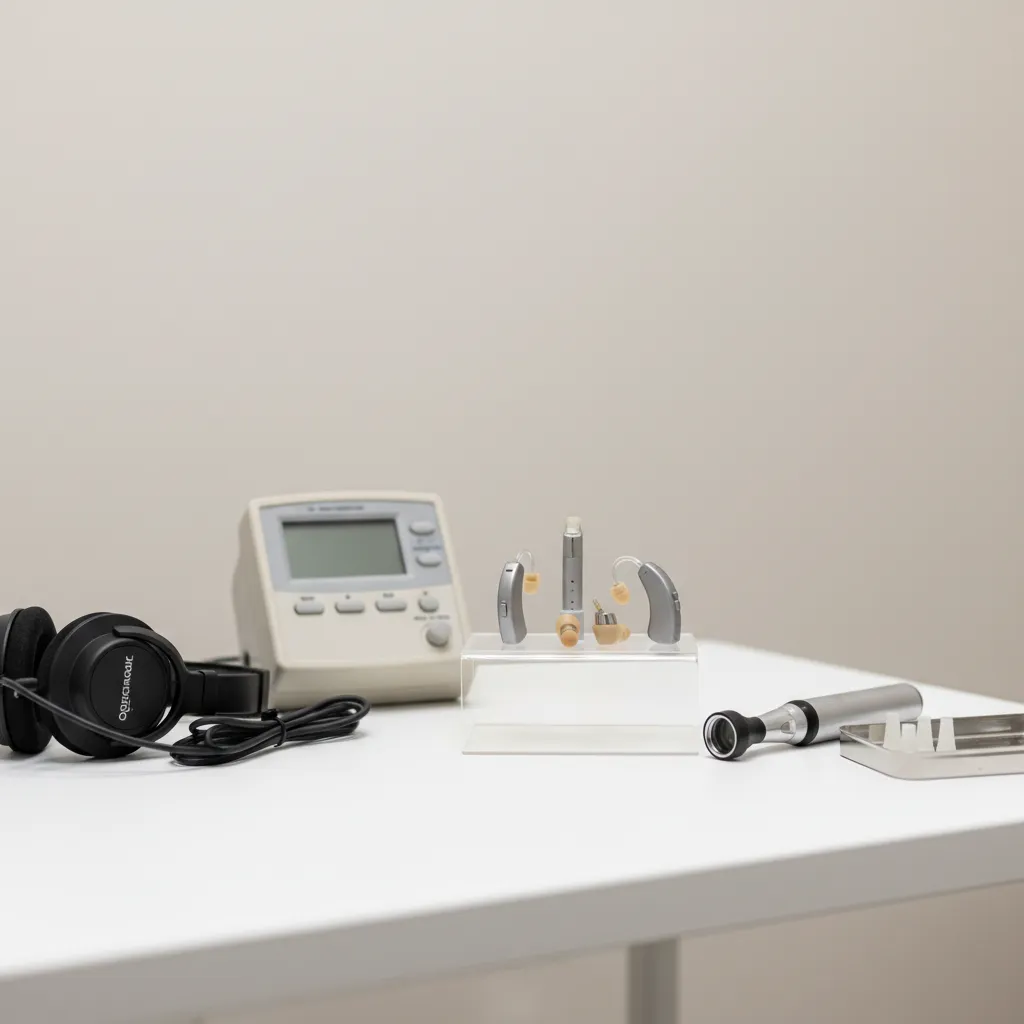
Assessment and correction of hearing loss using hearing aids or assistive devices to restore auditory input and reduce cognitive strain.
- Practice
- Therapy
- Principle
- Treatment
- Tactic
- Sensory Restoration & Enhancement
- Evidence grade
- Context Dependent
- Strength of evidence
- Medium
How to practice Hearing Optimization / Hearing Aids
Obtain hearing screening by midlife or sooner if symptoms occur. Use properly fitted hearing aids consistently, not just situationally. Combine with environmental noise control and clear communication strategies. Early correction yields stronger cognitive benefit than late adoption.
The evidence behind Hearing Optimization / Hearing Aids
Multiple large longitudinal studies show untreated hearing loss doubles to triples dementia risk, likely due to auditory deprivation, social withdrawal, and increased cognitive load. Randomized and cohort data (e.g., 2023 ACHIEVE trial) confirm that hearing aid use preserves cognitive function in older adults with hearing impairment. Mechanism: restored auditory stimulation maintains cortical connectivity and reduces allostatic stress.
More Therapy techniques
Take control of your brain health
BetterBrain gives you a personalized protocol of techniques like these, backed by science and tailored to you.