Learn · Brain health technique
Learn and play instruments
Evidence grade: Context Dependent
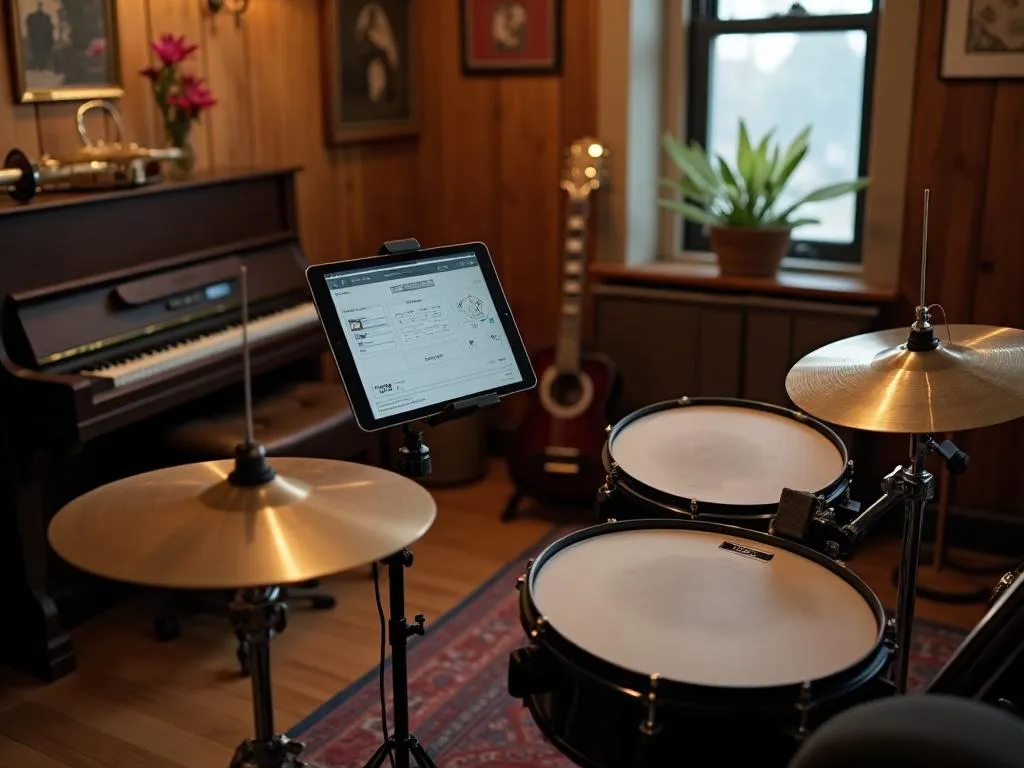
Practice or learn a musical instrument regularly, such as piano, guitar, or drums, to engage motor, auditory, and memory systems.
- Practice
- Learn
- Principle
- Engagement
- Tactic
- Creativity & Expression
- Health domains
- neurocognitive
- Evidence grade
- Context Dependent
- Strength of evidence
- Medium
- Cost
- High
- Effort
- High
- Time commitment
- High
How to practice Learn and play instruments
Pick an instrument that allows you to play a music style you really enjoy. Practice at least 2–4 times per week for 20–45 minutes, focusing on progressive skill development rather than rote repetition. Combine reading music, timing, and fine motor control to maximize cognitive load. Group lessons or ensemble play add social and attentional benefits. Choose an instrument you enjoy to sustain long-term engagement; consistency over years matters more than intensity over weeks.
The evidence behind Learn and play instruments
Neuroimaging and behavioral studies show that music training enhances executive function, attention, and working memory. Musicians often demonstrate stronger auditory processing and brain connectivity. Evidence is mostly from small or observational studies, but mechanistic plausibility and safety are strong.
More Learn techniques
Take control of your brain health
BetterBrain gives you a personalized protocol of techniques like these, backed by science and tailored to you.