Sleep · Brain health technique
Light therapy
Evidence grade: Context Dependent
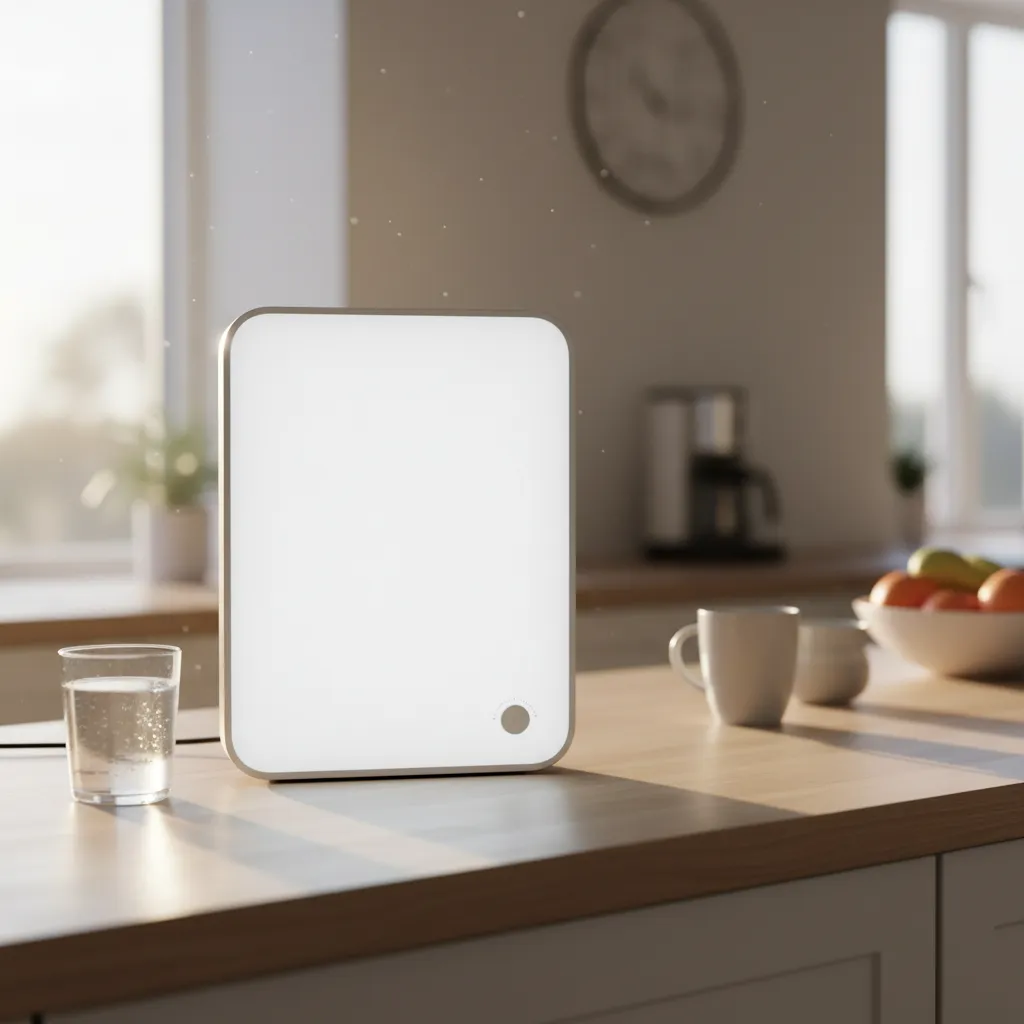
Controlled exposure to bright light, usually from a 10,000-lux light box, for a prescribed period, typically in the morning, to shift or strengthen circadian rhythms.
- Practice
- Sleep
- Principle
- Restoration
- Tactic
- Clinical Therapy
- Evidence grade
- Context Dependent
- Strength of evidence
- Medium
How to practice Light therapy
Use a 10,000-lux light box positioned 16–24 inches from eyes for 20–30 minutes within 1–2 hours of waking. Look near, not directly at, the light. Consistency is key, daily use for 2–3 weeks typically resets rhythm. Not necessary if you already get ≥30 minutes of morning outdoor light. Avoid late-evening use, which can delay sleep.
The evidence behind Light therapy
Bright-light exposure early in the day increases circadian amplitude and advances melatonin onset, improving sleep timing and alertness. Strong evidence for circadian-rhythm disorders (e.g., delayed sleep phase, seasonal affective disorder); less needed for those with normal daylight exposure. Mechanism: stimulation of melanopsin-containing retinal cells synchronizes the suprachiasmatic nucleus.
More Sleep techniques
Take control of your brain health
BetterBrain gives you a personalized protocol of techniques like these, backed by science and tailored to you.