Drugs · Brain health technique
Menopausal hormone therapy (MHT, HRT)
Evidence grade: Context Dependent
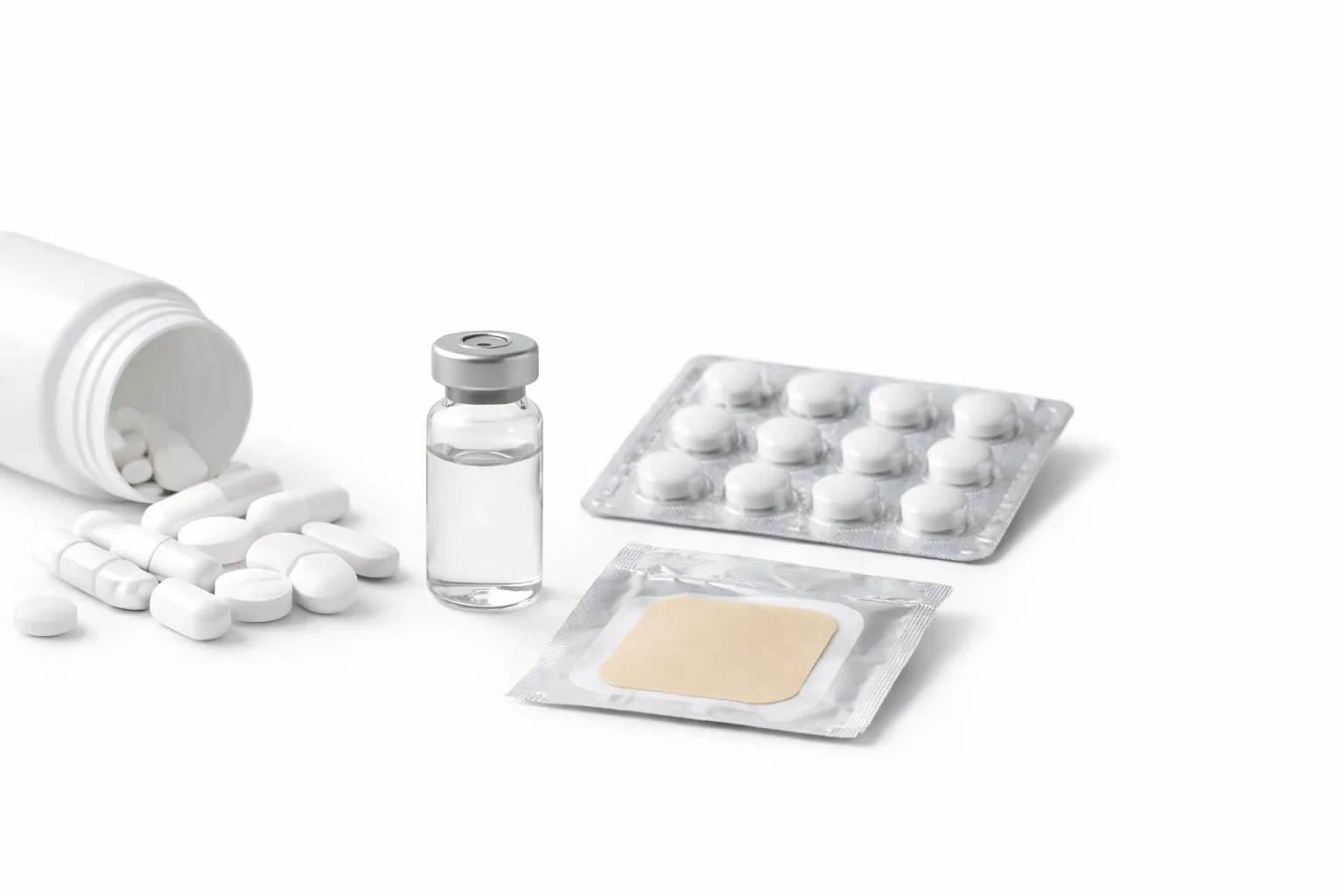
Systemic estrogen (usually estradiol via transdermal patch, gel, or oral form) combined with progesterone (micronized or dydrogesterone) for women with a uterus, used to relieve menopausal symptoms and support bone, vascular, and potentially brain health.
- Practice
- Drugs
- Principle
- Treatment
- Tactic
- Hormonal Therapies
- Health domains
- hormonal
- Evidence grade
- Context Dependent
- Strength of evidence
- Medium
- Cost
- High
- Effort
- Low
- Time commitment
- Low
How to practice Menopausal hormone therapy (MHT, HRT)
For healthy women under 60 or within 10 years of menopause, transdermal estradiol (0.025–0.05 mg/day) with oral or vaginal progesterone is safest. Use lowest effective dose and review annually. Avoid oral estrogen in high VTE risk. Do not initiate after age 65 without individualized assessment.
The evidence behind Menopausal hormone therapy (MHT, HRT)
Loss of estrogen at menopause accelerates vascular stiffness, bone loss, and possibly cognitive decline. The "timing hypothesis" suggests benefits when initiated early, with studies like ELITE and Finnish cohorts supporting benefit when started within 5-10 years of menopause. While MHT/HRT is strongly supported for vasomotor symptoms (hot flashes), bone health, and genitourinary syndrome of menopause (GSM), there is currently no solid evidence from Randomized Controlled Trials (RCTs) to recommend it solely for Alzheimer’s prevention. Mechanism: Estrogen supports synaptic plasticity, glucose utilization, and cerebral perfusion, offering theoretical protection. Evidence remains strong for symptom relief and bone health, but the potential for brain aging protection is viewed as an unproven additional benefit based on emerging, limited data.
More Drugs techniques
Take control of your brain health
BetterBrain gives you a personalized protocol of techniques like these, backed by science and tailored to you.