Learn · Brain health technique
Practicing simple puzzles
Evidence grade: Mixed / Unclear
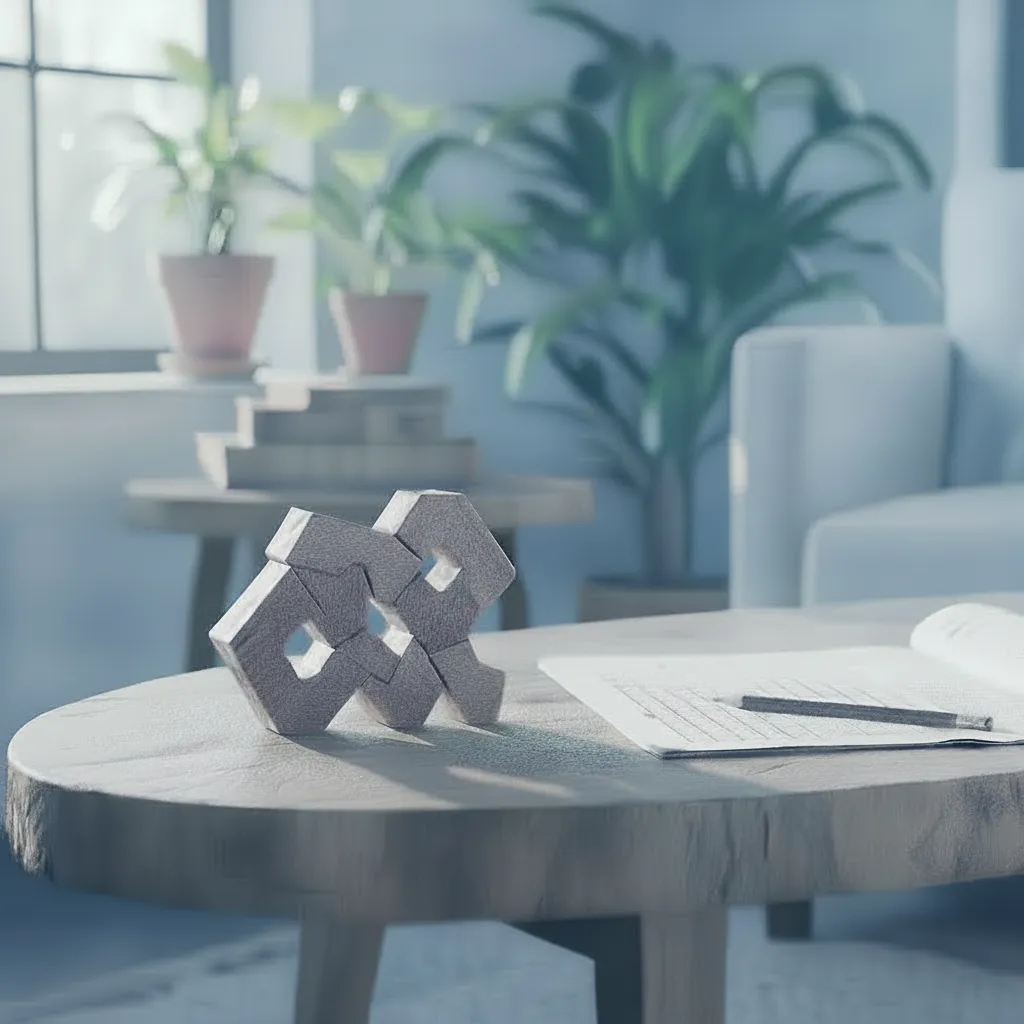
Routine use of crosswords, Sudoku, word searches, or jigsaws once the basic strategies are learned; typically low-to-moderate difficulty and highly familiar formats.
- Practice
- Learn
- Principle
- Engagement
- Tactic
- Challenge & Adaptability
- Evidence grade
- Mixed / Unclear
- Strength of evidence
- Medium
How to practice Practicing simple puzzles
Prefer “learn new, then rotate” over repeating mastered sets. Choose unfamiliar formats or higher difficulties weekly and add time pressure or dual-task elements (e.g., recall lists after a puzzle) to keep demand high. If scores plateau for 2–3 weeks, switch activities (e.g., strategy games, languages) to maintain challenge.
The evidence behind Practicing simple puzzles
Mechanism: initial learning phase taxes retrieval and pattern systems, but continued practice rapidly automates skills, reducing cognitive load. Evidence quality: cohorts show puzzle doers often perform better, but causality is uncertain; intervention studies find improvements mostly on similar puzzles with limited generalization. Who & when: novice phase shows the biggest gains; maintenance play adds little beyond enjoyment. Nuance: harder, varied puzzles and social play likely matter more than sheer volume.
More Learn techniques
Take control of your brain health
BetterBrain gives you a personalized protocol of techniques like these, backed by science and tailored to you.