Sleep · Brain health technique
Relaxation practice before bed
Evidence grade: Context Dependent
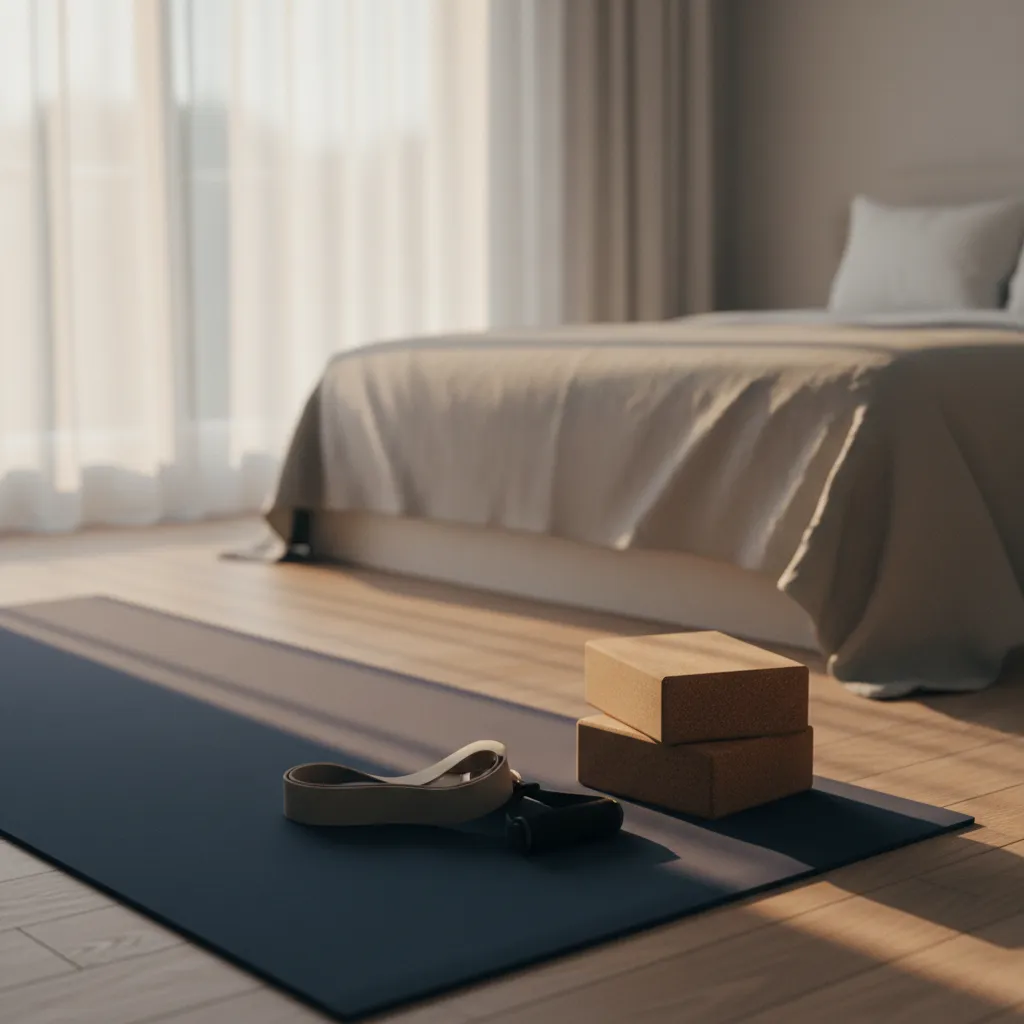
A deliberate routine, such as breathing exercises, meditation, gentle stretching, or reading, that lowers sympathetic arousal and prepares the body for sleep onset.
- Practice
- Sleep
- Principle
- Restoration
- Tactic
- Quality And Consistency
- Health domains
- hormonal
- Evidence grade
- Context Dependent
- Strength of evidence
- Medium
- Effort
- Low
- Time commitment
- Medium
How to practice Relaxation practice before bed
Begin a 30-60 minute wind-down period before bed. Dim lights, avoid screens, and perform a consistent calming ritual (e.g., breathing 4-7-8, light reading, or gentle yoga). Keep timing predictable to condition faster onset. If relaxation doesn’t help after 2–3 weeks, evaluate caffeine, alcohol, or stress exposure during the day.
The evidence behind Relaxation practice before bed
Relaxation reduces pre-sleep cortisol and heart rate, facilitating sleep initiation and continuity. Meta-analyses of mindfulness and progressive muscle relaxation show moderate improvements in sleep latency and quality. Mechanism: enhanced parasympathetic tone improves transition to slow-wave sleep. Evidence strongest in insomnia or high-stress groups; less critical for good sleepers.
More Sleep techniques
Take control of your brain health
BetterBrain gives you a personalized protocol of techniques like these, backed by science and tailored to you.