Therapy · Brain health technique
Sleep Apnea Treatment
Evidence grade: Context Dependent
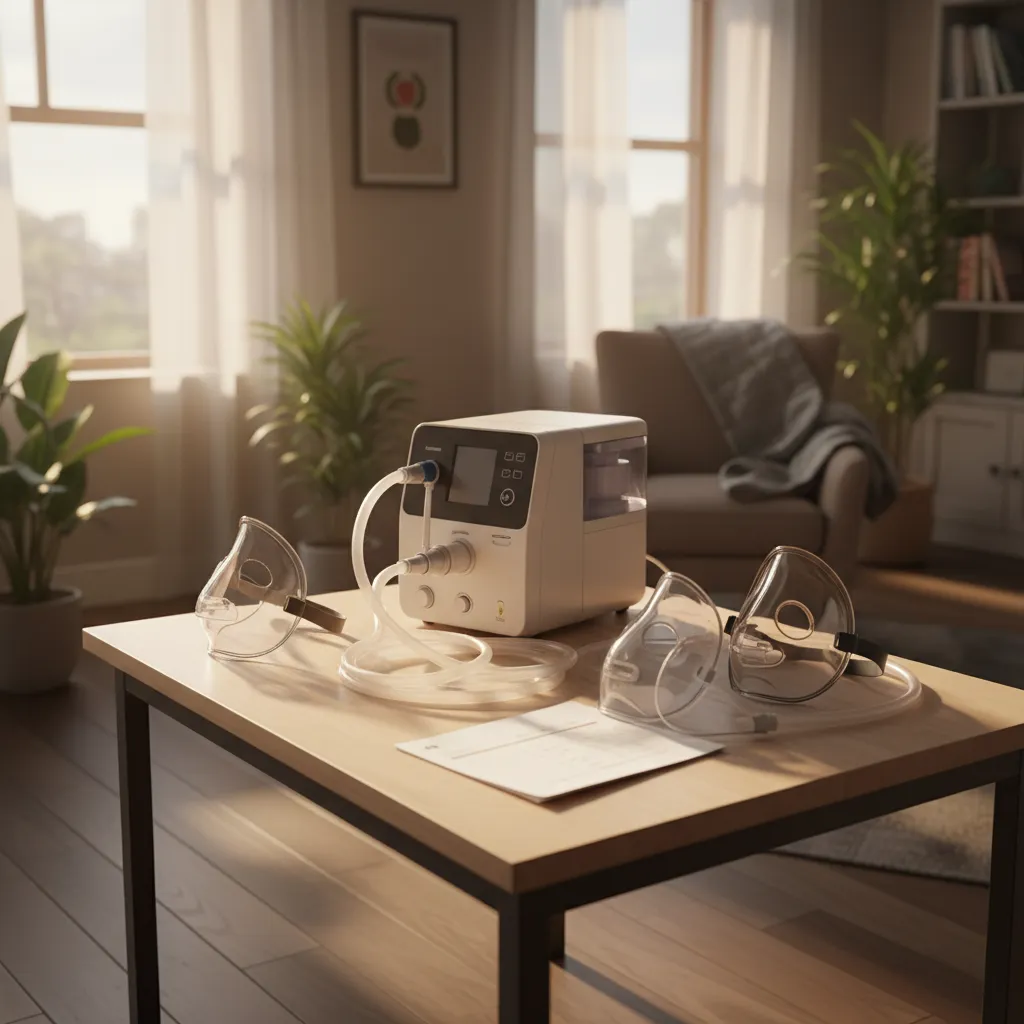
Diagnosis and treatment of obstructive sleep apnea (OSA) through CPAP, oral appliances, weight reduction, or upper-airway therapy to restore normal nocturnal breathing and oxygenation.
- Practice
- Therapy
- Principle
- Treatment
- Tactic
- Specialty Medical & Integrative Care
- Health domains
- hormonal
- Evidence grade
- Context Dependent
- Strength of evidence
- Medium
- Cost
- High
- Effort
- Low
- Time commitment
- Low
How to practice Sleep Apnea Treatment
Obtain sleep testing for snoring, daytime sleepiness, or hypertension resistant to treatment. If OSA is confirmed, use CPAP nightly for at least 4 hours (preferably 6–7). Ensure proper mask fit, clean equipment weekly, and reassess annually. Consistency, not intensity, drives long-term benefit.
The evidence behind Sleep Apnea Treatment
OSA causes intermittent hypoxia, fragmented sleep, and sympathetic overdrive, all of which accelerate cognitive decline and cardiovascular disease. RCTs show that CPAP use normalizes oxygen levels, improves attention and memory, and reduces dementia risk when used consistently. Mechanism: restored oxygen delivery and reduced oxidative stress improve neuronal recovery and vascular function.
More Therapy techniques
Take control of your brain health
BetterBrain gives you a personalized protocol of techniques like these, backed by science and tailored to you.