Therapy · Brain health technique
Sleep Medicine
Evidence grade: Context Dependent
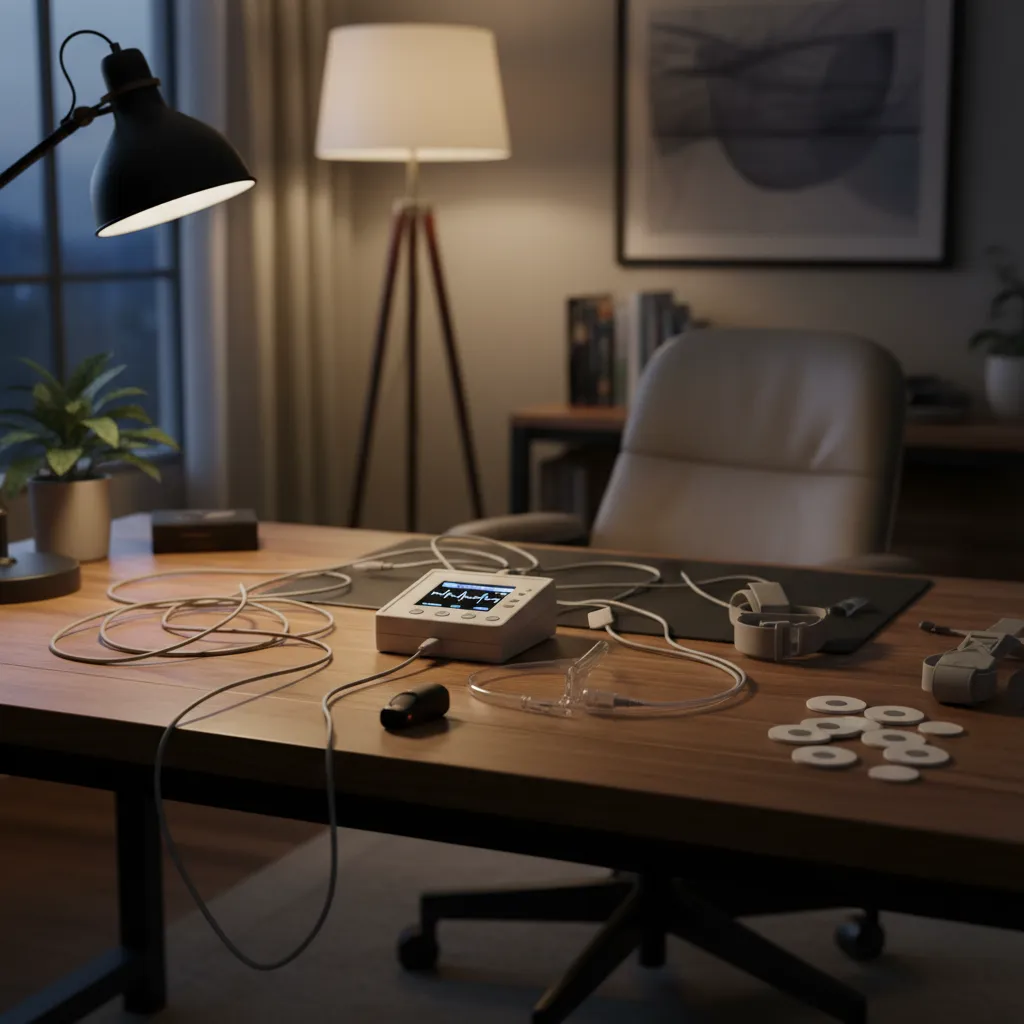
Specialist care focused on diagnosing and treating sleep disorders, such as insomnia, sleep apnea, restless legs, and circadian rhythm disruptions, through targeted testing (polysomnography, home sleep studies) and evidence-based interventions (CBT-I, CPAP, medication optimization).
- Practice
- Therapy
- Principle
- Treatment
- Tactic
- Specialty Medical & Integrative Care
- Health domains
- hormonal, vascular
- Evidence grade
- Context Dependent
- Strength of evidence
- Medium
- Effort
- High
- Time commitment
- High
How to practice Sleep Medicine
Consult a board-certified sleep specialist for persistent fatigue, snoring, or insomnia lasting >3 months. Testing can identify specific disorders requiring treatment (CPAP, oral appliances, or behavioral therapy). Reassess annually as weight, medication, or hormonal status changes. Prioritize continuous adherence for lasting benefit.
The evidence behind Sleep Medicine
Chronic sleep disruption increases risk for hypertension, diabetes, depression, and dementia. Evidence shows that professional evaluation and treatment of conditions like sleep apnea or chronic insomnia restore restorative sleep architecture and lower long-term cognitive risk. Mechanism: improved oxygenation, glymphatic clearance, and circadian alignment reduce neuroinflammation.
More Therapy techniques
Take control of your brain health
BetterBrain gives you a personalized protocol of techniques like these, backed by science and tailored to you.