Sleep · Brain health technique
Soundproof room / white noise
Evidence grade: Context Dependent
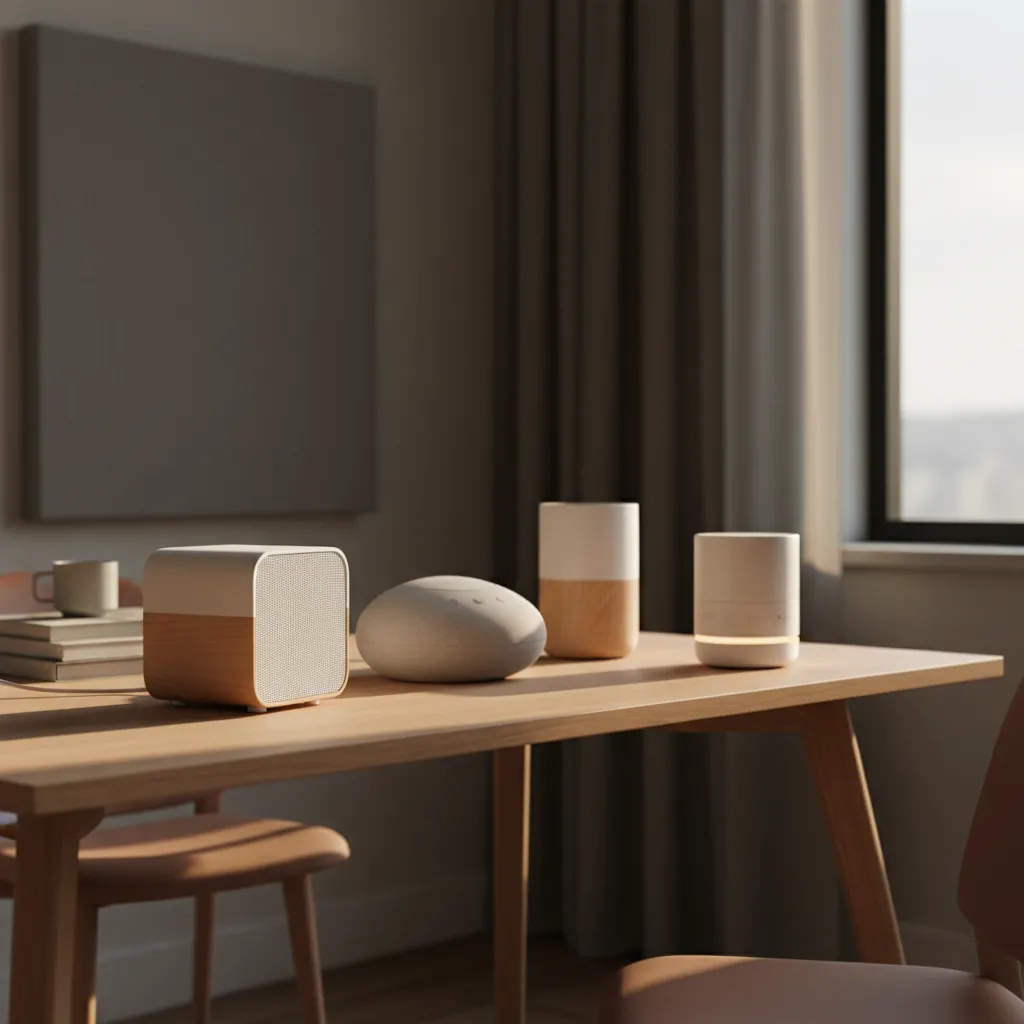
Creating an acoustically stable environment, via insulation, soundproofing, or use of steady background sounds like white, pink, or brown noise, to mask environmental disturbances.
- Practice
- Sleep
- Principle
- Restoration
- Tactic
- Calm And Comfortable Environment
- Evidence grade
- Context Dependent
- Strength of evidence
- Medium
- Cost
- Low
- Effort
- Low
- Time commitment
- Low
How to practice Soundproof room / white noise
Use white/pink noise machines, fans, or earplugs if ambient noise exceeds 40 dB. Experiment with volume and frequency type for comfort. If building or remodeling, use sound-dampening materials. Maintain consistent background levels rather than silence punctuated by random sounds.
The evidence behind Soundproof room / white noise
Intermittent noise (traffic, neighbors) increases micro-arousals and reduces slow-wave sleep. Laboratory studies confirm improved sleep continuity with steady masking sounds, though individual preference varies. Mechanism: constant auditory input prevents cortical reactivation from unpredictable noise bursts. Evidence moderate, strongest in noisy settings.
More Sleep techniques
Take control of your brain health
BetterBrain gives you a personalized protocol of techniques like these, backed by science and tailored to you.