Therapy · Brain health technique
Vestibular & Balance Therapy
Evidence grade: Context Dependent
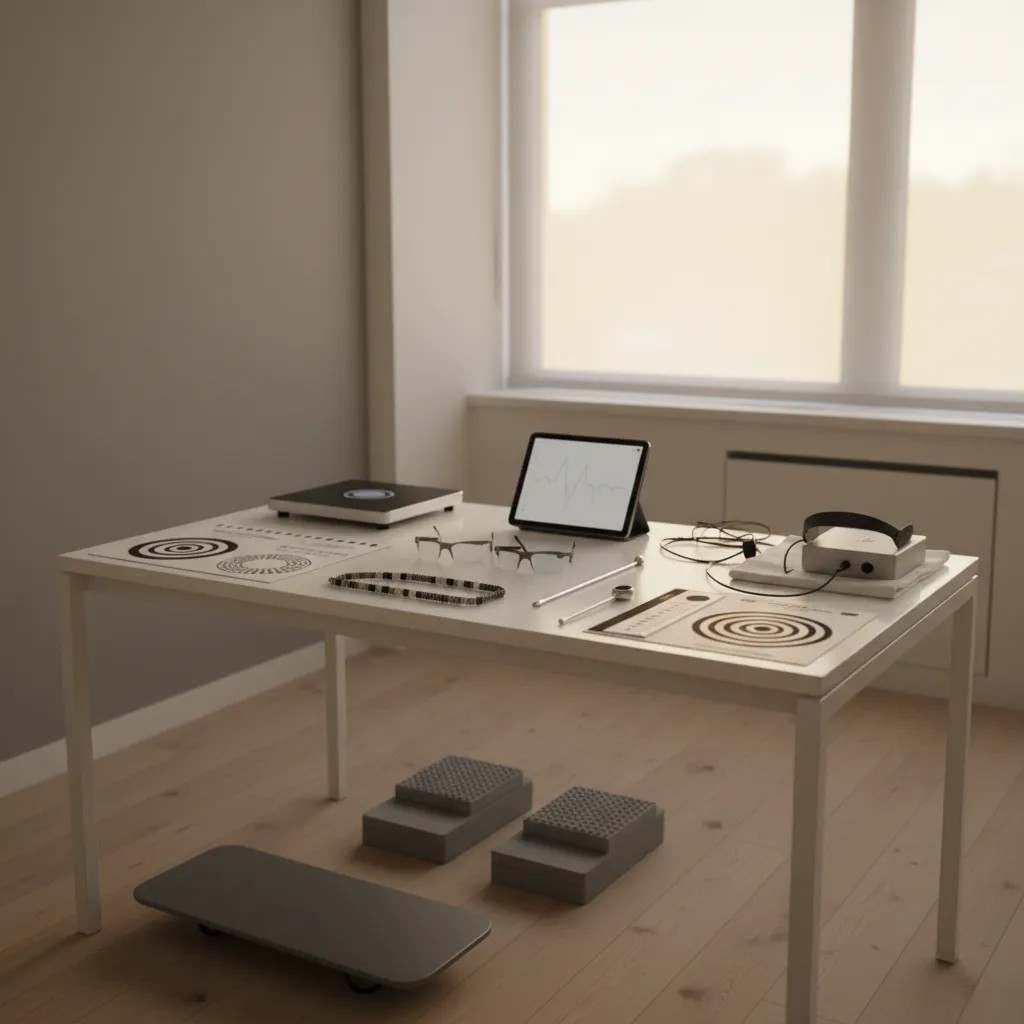
A customized exercise program that retrains balance, gaze stability, and spatial orientation by stimulating and recalibrating the vestibular system, often used after concussion, vertigo, or aging-related imbalance.
- Practice
- Therapy
- Principle
- Treatment
- Tactic
- Sensory Restoration & Enhancement
- Evidence grade
- Context Dependent
- Strength of evidence
- Medium
How to practice Vestibular & Balance Therapy
Work with a vestibular-trained physical therapist 1–2× per week plus home practice (10–15 minutes daily). Common elements include gaze stabilization, balance challenges, and habituation to motion. Gradually increase complexity as symptoms improve. Early initiation after injury yields better results.
The evidence behind Vestibular & Balance Therapy
Strong evidence from RCTs supports vestibular rehabilitation for dizziness, gait instability, and motion sensitivity. Mechanistically, repeated head–eye coordination tasks strengthen sensory integration between vestibular, visual, and proprioceptive systems. Improved balance and confidence reduce fall risk and indirectly support cognitive and emotional function. Limited direct evidence for long-term brain outcomes.
More Therapy techniques
Take control of your brain health
BetterBrain gives you a personalized protocol of techniques like these, backed by science and tailored to you.