Therapy · Brain health technique
Vision Correction (Glasses / Cataract Surgery)
Evidence grade: Context Dependent
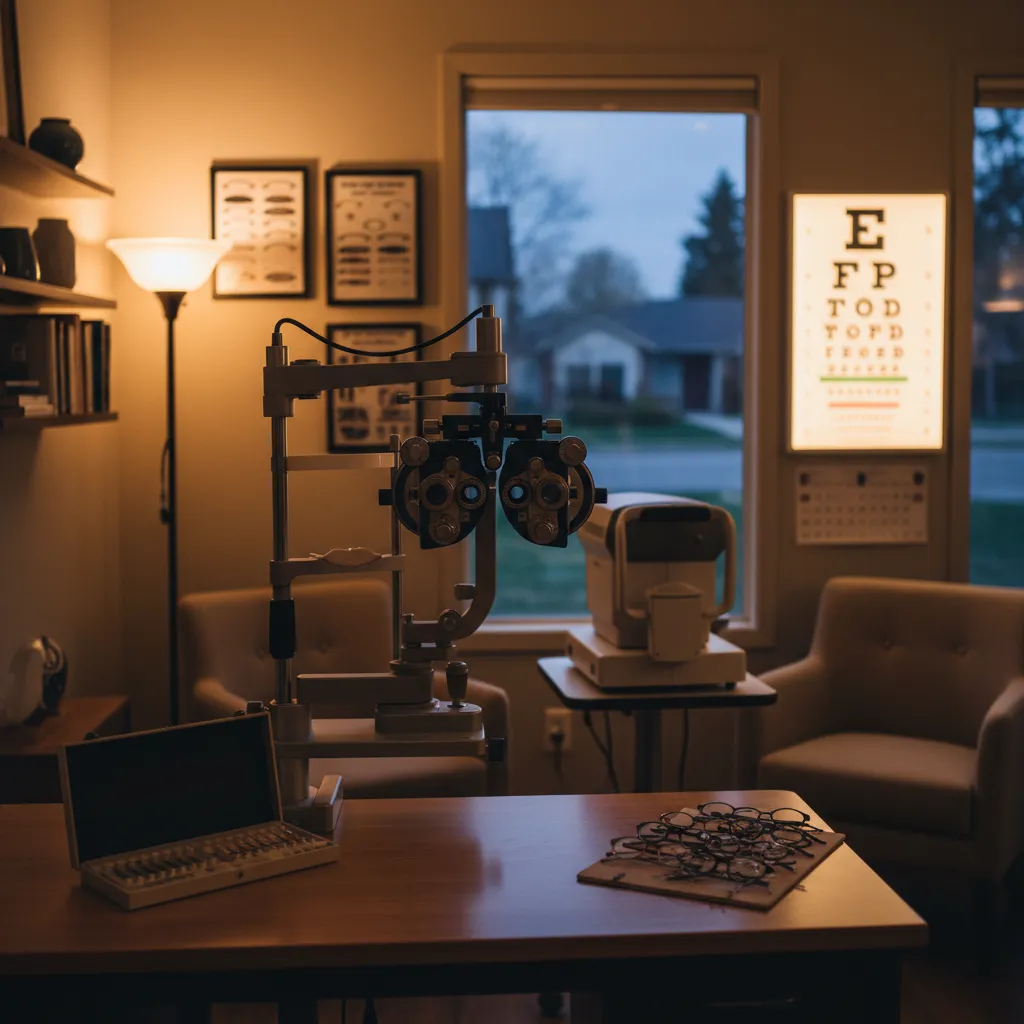
Optical correction of refractive errors or surgical removal of cataracts to improve visual clarity, reduce strain, and maintain sensory engagement.
- Practice
- Therapy
- Principle
- Treatment
- Tactic
- Sensory Restoration & Enhancement
- Evidence grade
- Context Dependent
- Strength of evidence
- Medium
- Cost
- High
- Effort
- Low
- Time commitment
- Low
How to practice Vision Correction (Glasses / Cataract Surgery)
Schedule regular eye exams (every 1–2 years). Correct refractive errors promptly and pursue cataract surgery when visual function declines. Ensure adequate lighting and contrast at home to support safe navigation and reading. Clear sensory input supports mental alertness and independence.
The evidence behind Vision Correction (Glasses / Cataract Surgery)
Large observational and interventional studies show vision correction and cataract surgery are linked to lower dementia risk and slower cognitive decline. Mechanism: improved sensory input maintains cortical activity and social/environmental engagement, reducing cognitive load and isolation. Evidence strong and low risk.
More Therapy techniques
Take control of your brain health
BetterBrain gives you a personalized protocol of techniques like these, backed by science and tailored to you.