Therapy · Brain health technique
Vision or Neuro-Optometric Therapy
Evidence grade: Context Dependent
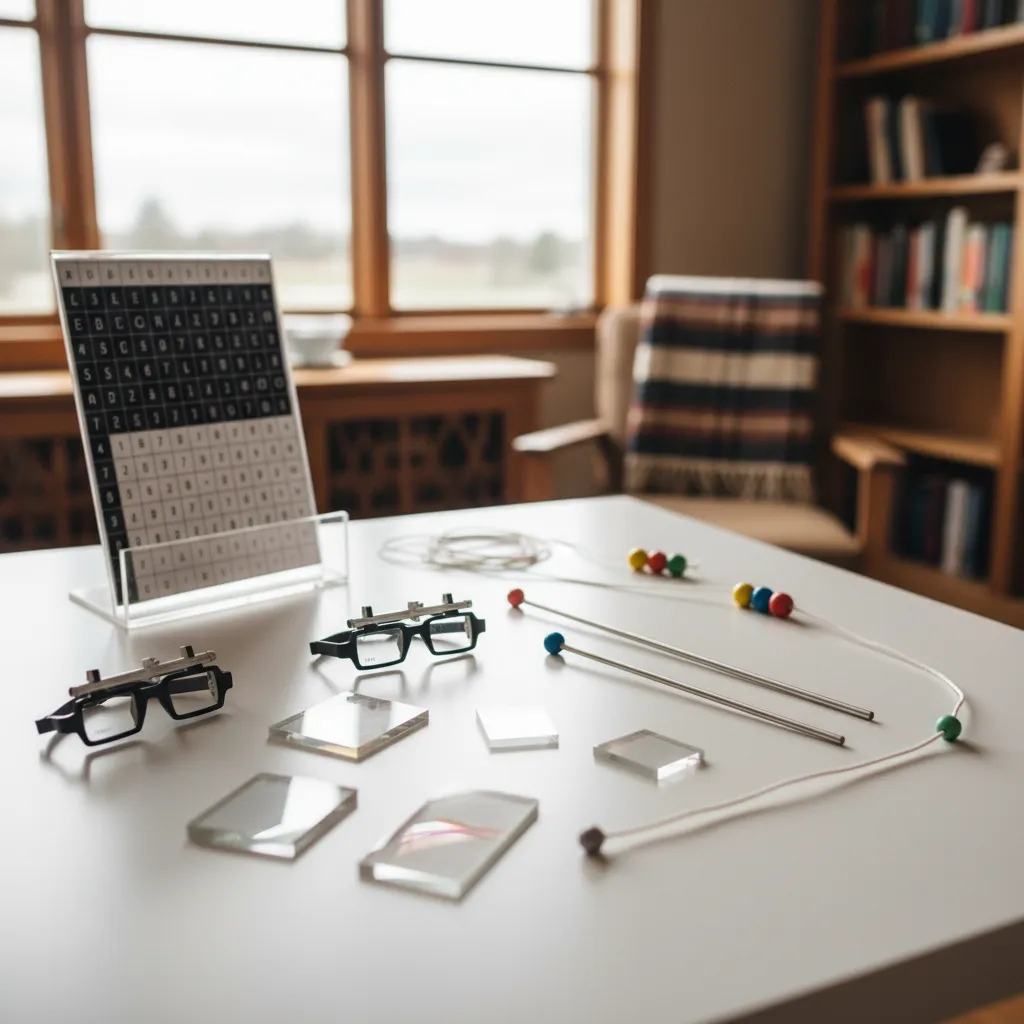
Structured visual exercises and perceptual-motor training designed to improve eye coordination, focus, and visual processing, especially after concussion or in developmental visual dysfunction.
- Practice
- Therapy
- Principle
- Treatment
- Tactic
- Sensory Restoration & Enhancement
- Evidence grade
- Context Dependent
- Strength of evidence
- Medium
How to practice Vision or Neuro-Optometric Therapy
Conduct therapy under a licensed neuro-optometrist or vision therapist. Typical course: 8–12 weeks with daily home practice. Adherence and therapist expertise are key to success. Avoid generalized “vision training” programs without documented oculomotor or perceptual deficits.
The evidence behind Vision or Neuro-Optometric Therapy
Evidence supports therapy for convergence insufficiency and post-concussive oculomotor deficits. Mechanistically, repetitive visual-motor exercises enhance sensory integration and eye–brain coordination. Evidence moderate for specific deficits, weak for general cognitive enhancement. Benefits often include reduced dizziness, eye strain, and improved reading efficiency.
More Therapy techniques
Take control of your brain health
BetterBrain gives you a personalized protocol of techniques like these, backed by science and tailored to you.