Creatine for women
Creatine was studied mostly in men, but women may have more to gain. What the research shows for strength and the brain, and what to expect when you start.
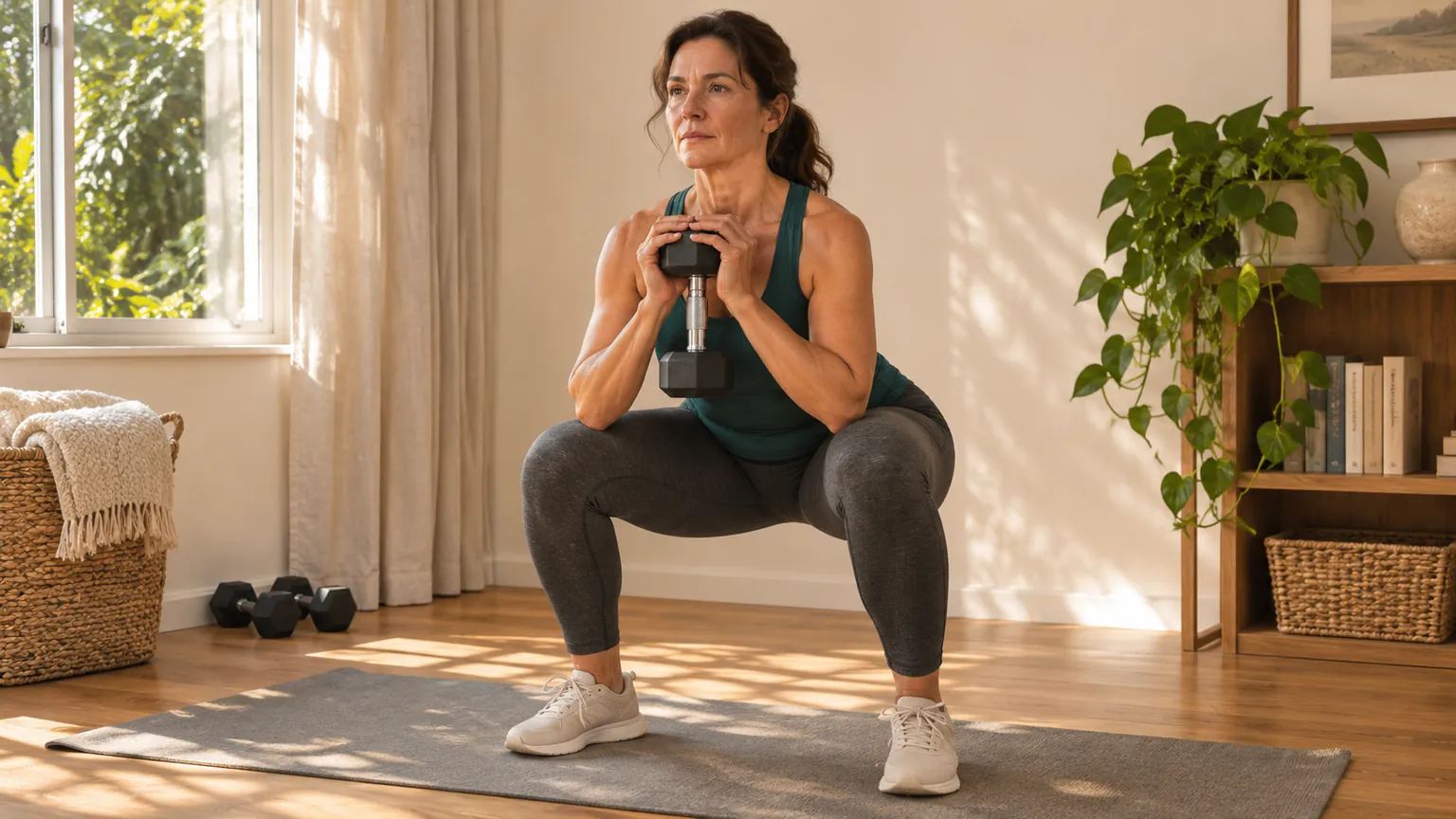
Creatine is one of the best-studied supplements there is, and the research in women points the same way as the research in men: it is well tolerated at standard doses and helps strength when paired with resistance training. There are also early signs of benefit for mental fatigue and thinking, especially in people with lower creatine stores. The fear of bulking up or gaining fat is not supported by the evidence.
Most clients pay $0 with employer sponsored insurance.
For years creatine was marketed to young men lifting weights. That shaped who got studied, and it left most women assuming creatine was not for them.
Why women may have more to gain
A 2021 review in Nutrients focused on creatine across a woman's life, from young adulthood through menopause (Smith-Ryan et al., 2021). Women tend to eat less of the meat and fish that supply creatine, and the authors describe how hormonal shifts across the menstrual cycle, pregnancy and menopause affect how the body makes and uses it.
The review concluded that creatine may improve exercise performance, cognitive performance and mental fatigue in women. After menopause, it was associated with benefits for muscle size and function at higher doses, and for bone when combined with resistance training. Much of this research is small, and the authors call for more studies in women specifically.
Creatine and the brain
Your brain is an energy-hungry organ, and creatine helps cells regenerate energy quickly when demand spikes. That is the reason researchers think it may help most under stress, poor sleep and mental fatigue. We went deeper on dosing for the brain in Is 10g of creatine daily optimal for brain health?
Will creatine make me gain weight?
Expect 1 to 2 kg (about 2 to 4 lb) on the scale at the start or at higher doses. That is mostly water drawn into muscle, not fat. The 2021 review describes the fear of weight gain in women as largely unfounded, and a 2021 evidence review by eleven creatine researchers addressed water retention and fat gain among the most common misconceptions (Antonio et al., 2021).
The hair loss worry traces to one small study in male rugby players that measured a hormone, not hair. It has not been replicated.
How to take it
- Form: creatine monohydrate, the most studied form, tested for purity.
- Dose: BetterBrain's clinical advisors recommend 5 grams a day for women up to about 135 lb and closer to 10 grams above that. Split larger doses to avoid stomach upset.
- Timing: any time of day, with or without food. Consistency matters more than timing. A loading phase is not required.
- Patience: muscle stores build over a few weeks at a standard dose.
- Check first if: you have kidney disease, or are pregnant or breastfeeding (there is no human safety data yet).
BetterBrain Creatine is creatine monohydrate in 5 gram servings, made from Pürest Creatine, which is specified at 99.99% purity. Every lot is tested twice, as the ingredient and as the finished product.
Creatine is one piece
Creatine works best alongside strength training, sleep and protein, and it is rarely the only thing a woman over 40 is taking. If you also take magnesium, vitamin D, omega-3 or a menopause blend, it is worth seeing whether the whole routine makes sense together.
Frequently asked questions
Is creatine safe for women?
At standard doses, the research in women shows a safety profile similar to men's. Check with your doctor if you have kidney disease or are pregnant.
Is creatine good for women over 50?
Research after menopause suggests benefits for muscle and, with resistance training, bone. The studies are small.
Does creatine help with menopause brain fog?
We did not find trials testing it for menopause brain fog specifically. The case rests on creatine's role in brain energy and early results on mental fatigue. See our menopause brain fog guide.
How much creatine should a woman take?
5 grams a day up to about 135 lb and closer to 10 grams above that, per BetterBrain's clinical advisors.
REFERENCES
- Smith-Ryan et al., Creatine supplementation in women's health: a lifespan perspective, Nutrients, 2021 https://pmc.ncbi.nlm.nih.gov/articles/PMC7998865/
- Antonio et al., Common questions and misconceptions about creatine supplementation, JISSN, 2021 https://doi.org/10.1186/s12970-021-00412-w