Moderate Toxins · Brain health technique
Avoid fine particulate air pollution (PM₂.₅)
Evidence grade: Essential
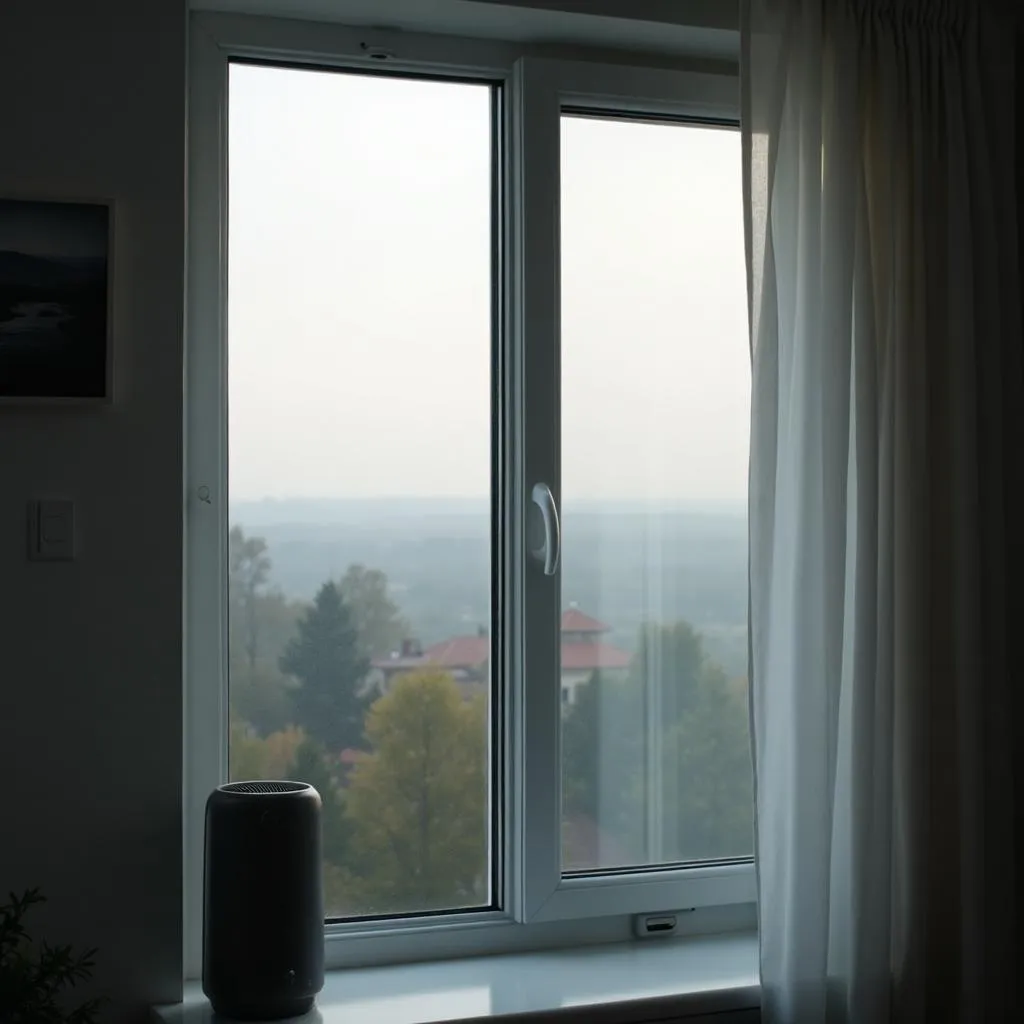
Microscopic particles less than 2.5 micrometers wide that come from vehicle exhaust, industrial emissions, wildfires, and any kind of indoor combustion such as wood stoves, candles, or cooking smoke. These particles travel deep into the lungs, enter the bloodstream, and can reach the brain. “PM₂.₅” refers to particles ≤ 2.5 µm in diameter.
- Practice
- Moderate Toxins
- Principle
- Protection
- Tactic
- Minimize Environmental Toxins
- Evidence grade
- Essential
- Strength of evidence
- High
How to practice Avoid fine particulate air pollution (PM₂.₅)
Avoid pollution via relocation, masks, and/or air filters. Evidence shows no safe threshold, risk rises continuously with exposure. Urban residents, older adults, and APOE-ε4 carriers are most vulnerable.
The evidence behind Avoid fine particulate air pollution (PM₂.₅)
Dozens of large population studies show that people breathing higher levels of PM₂.₅ are associated with a 10–40% greater risk of dementia, independent of age, smoking, or education. Animal and imaging studies reveal neuroinflammation, oxidative stress, and amyloid buildup after chronic exposure. Even short-term spikes can impair attention and blood flow regulation.
More Moderate Toxins techniques
Take control of your brain health
BetterBrain gives you a personalized protocol of techniques like these, backed by science and tailored to you.