Environment · Brain health technique
Avoid or strongly reduce indoor combustion sources
Evidence grade: Context Dependent
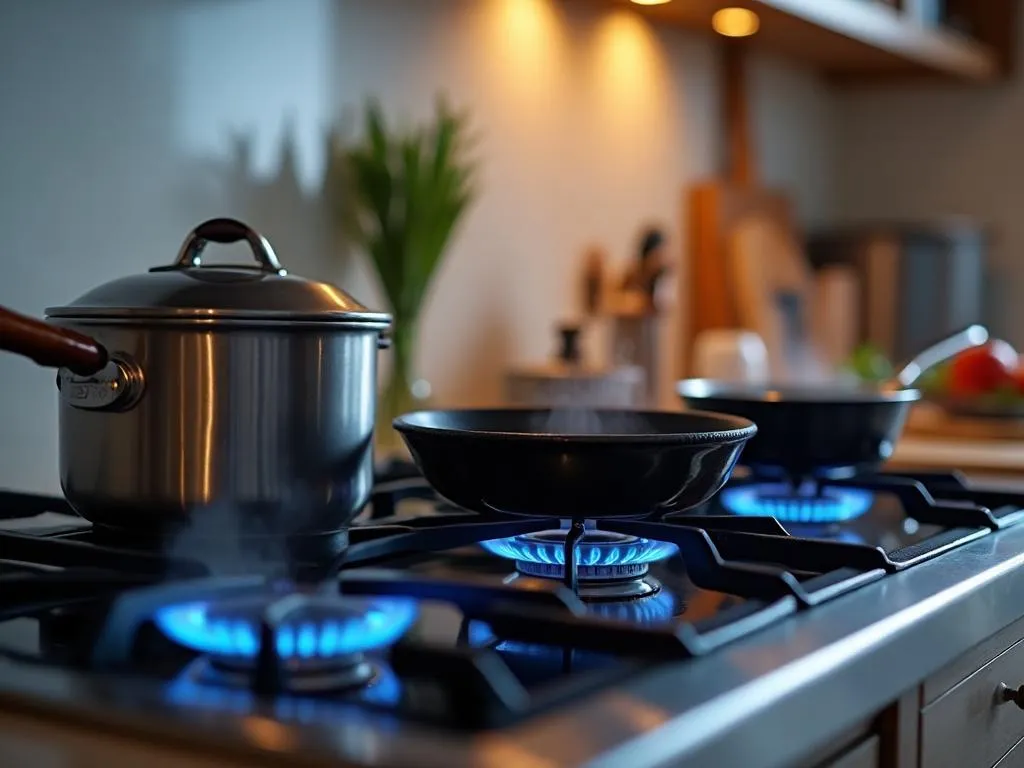
Gas ranges, ovens, candles, incense, unvented heaters, and wood-burning fireplaces emit nitrogen dioxide (NO₂), carbon monoxide (CO), and ultrafine soot. Vented gas fireplaces release far less, but still small combustion by-products.
- Practice
- Environment
- Principle
- Protection
- Tactic
- Air Quality Optimization
- Evidence grade
- Context Dependent
- Strength of evidence
- Medium
How to practice Avoid or strongly reduce indoor combustion sources
Manage exposure, don’t panic. Always run a ducted hood or open a window when cooking; run a HEPA purifier near the kitchen. Keep burners clean and flames blue. Avoid unvented heaters and routine indoor wood burning. Install CO detectors. Upgrade to induction only if remodeling anyway.
The evidence behind Avoid or strongly reduce indoor combustion sources
Cooking with gas or other flames can push NO₂ and PM₂.₅ above outdoor-air guidelines. Respiratory and vascular harms are proven; the dementia link is plausible but indirect. Ventilation and filtration lower levels dramatically. For most households, appliance replacement yields little extra benefit beyond proper venting.
More Environment techniques
Take control of your brain health
BetterBrain gives you a personalized protocol of techniques like these, backed by science and tailored to you.