Move · Brain health technique
Dance
Evidence grade: Context Dependent
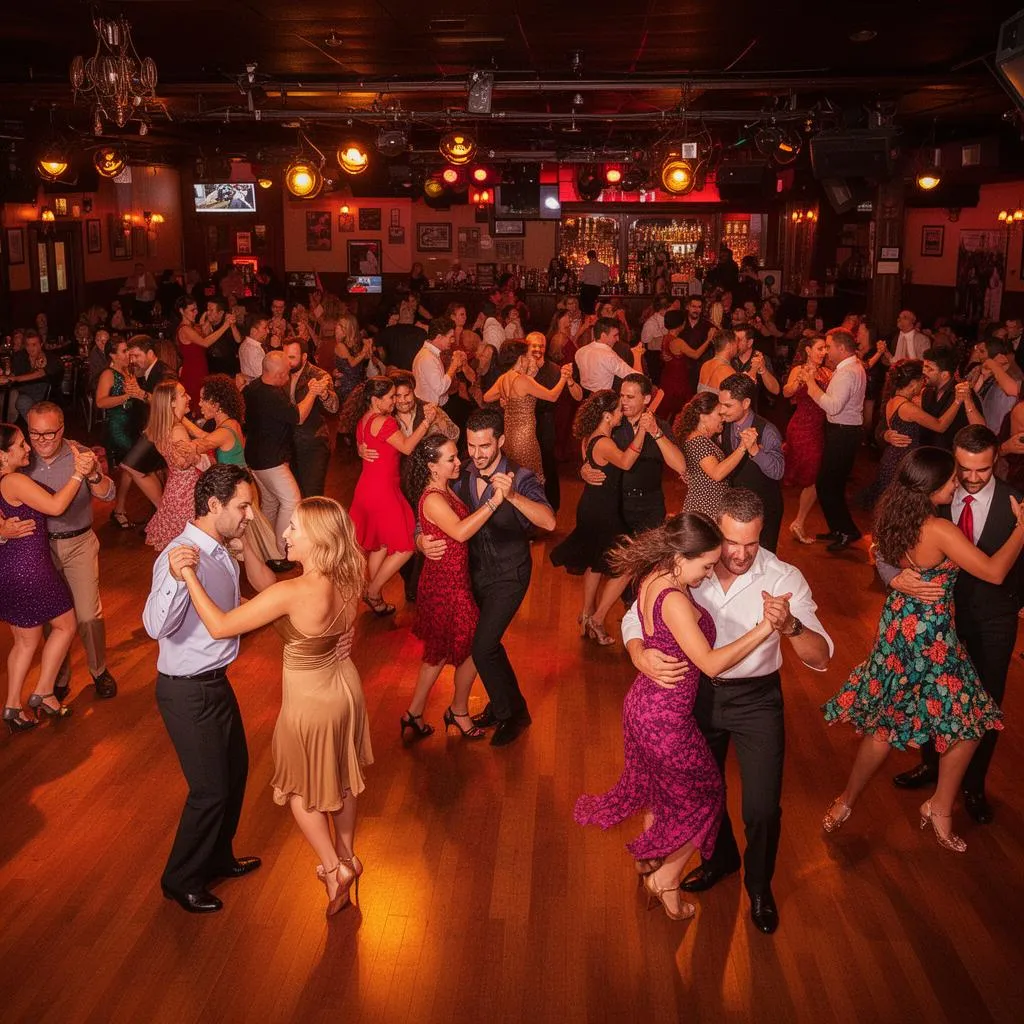
Rhythmic, coordinated movement to music that combines physical activity with cognitive, emotional, and social engagement. Can range from casual social dancing to structured classes like salsa, ballroom, or hip-hop.
- Practice
- Move
- Principle
- Engagement
- Tactic
- Group Physical Activities
- Health domains
- vascular
- Evidence grade
- Context Dependent
- Strength of evidence
- Medium
- Cost
- Medium
- Effort
- High
- Time commitment
- Medium
How to practice Dance
Dance for 20–60 minutes, 2–3 times per week in any style you enjoy. Group classes add social and emotional benefits. Focus on rhythmic, full-body movement and continual learning of new steps or routines. For older adults, slower forms (e.g., ballroom, line dance) build balance and confidence. Consistency and enjoyment matter more than intensity.
The evidence behind Dance
Dance uniquely integrates motor coordination, balance, memory, and emotional expression—stimulating multiple brain regions simultaneously. Longitudinal studies show regular dancers have a 70–80% lower risk of dementia compared to non-dancers. Mechanisms include enhanced neuroplasticity, vestibular training, and mood elevation through social and musical reward circuits. Evidence is robust and consistent.
More Move techniques
Take control of your brain health
BetterBrain gives you a personalized protocol of techniques like these, backed by science and tailored to you.