Move · Brain health technique
High-intensity sports
Evidence grade: Context Dependent
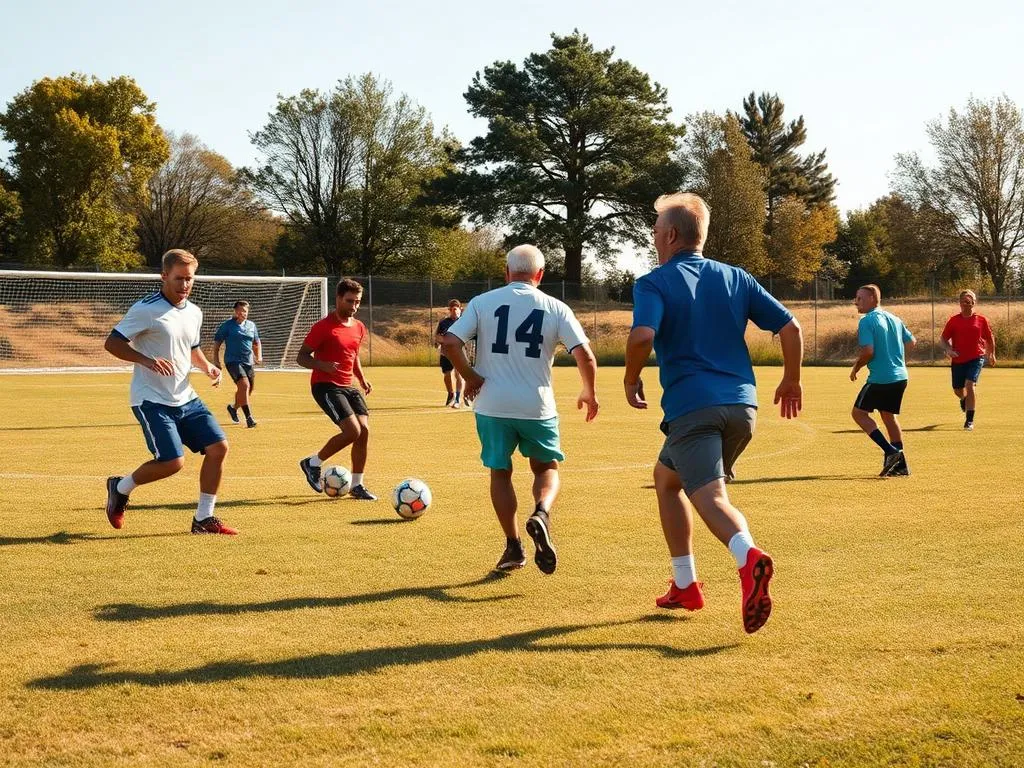
Activities involving bursts of near-maximal effort and dynamic movements, such as soccer, basketball, tennis, or interval running. Challenge both anaerobic and aerobic systems while sharpening coordination and decision-making.
- Practice
- Move
- Principle
- Engagement
- Tactic
- Group Physical Activities
- Health domains
- metabolic, musculoskeletal, vascular
- Evidence grade
- Context Dependent
- Strength of evidence
- Medium
- Cost
- High
- Effort
- High
- Time commitment
- High
How to practice High-intensity sports
Include 1–3 high-intensity sessions weekly. Warm up thoroughly and prioritize proper form to reduce injury. Mix with lower-intensity or recovery days. If new to exercise, build endurance before adding intensity. Adequate sleep, hydration, and nutrition are essential for recovery.
The evidence behind High-intensity sports
High-intensity exercise boosts brain-derived neurotrophic factor (BDNF), klotho, insulin sensitivity, and cardiovascular fitness—core drivers of cognitive resilience. Short, intense bouts improve executive function and mood via catecholamine release, while social interaction in team sports fosters social-cognitive processing benefits. However, overtraining or poor recovery can elevate cortisol and injury risk. Evidence supports 1–3 weekly sessions for brain and body benefits when balanced with recovery.
More Move techniques
Take control of your brain health
BetterBrain gives you a personalized protocol of techniques like these, backed by science and tailored to you.