Eat · Brain health technique
Anti-inflammatory diet
Evidence grade: Context Dependent
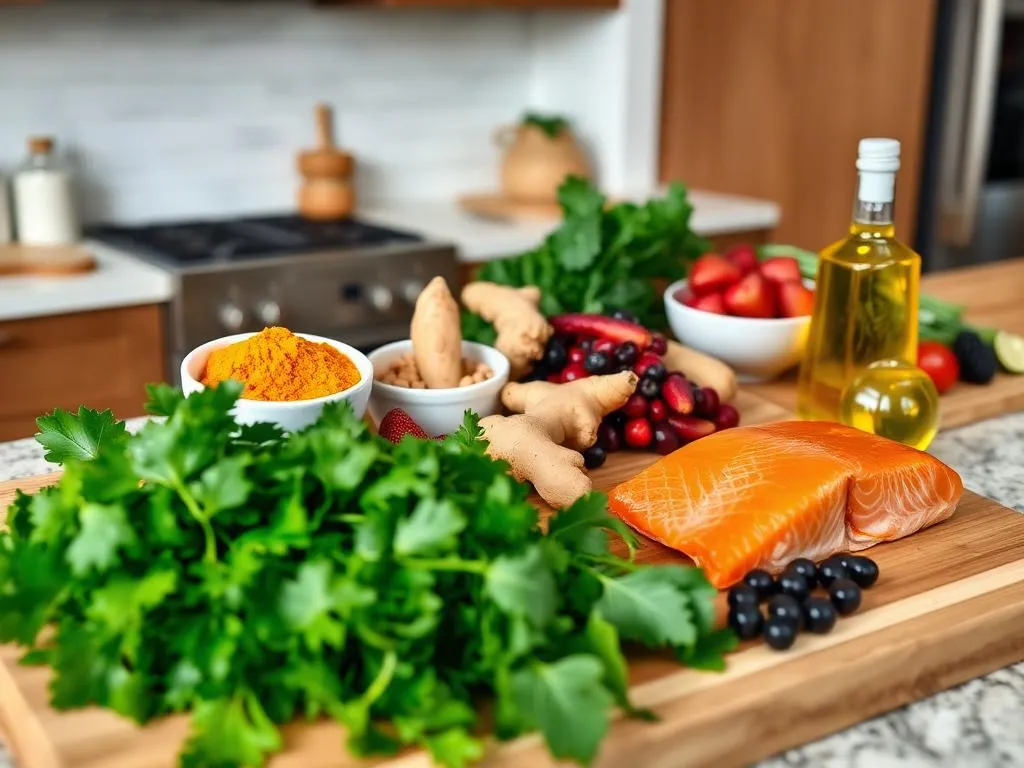
A broad eating pattern emphasizing foods that reduce systemic inflammation, colorful fruits and vegetables, fatty fish, olive oil, nuts, whole grains, and herbs, while limiting processed meats, refined carbs, fried foods, and added sugars. Often overlaps with the Mediterranean or DASH diets.
- Practice
- Eat
- Principle
- Nourishment
- Tactic
- Holistic Nutritional Strategies
- Evidence grade
- Context Dependent
- Strength of evidence
- Medium
How to practice Anti-inflammatory diet
Center meals on colorful produce, fish twice weekly, and olive oil as the main fat. Replace processed snacks with nuts or fruit. Limit refined grains and high-sugar desserts. Variety is key, different colors deliver different anti-inflammatory compounds. Supplements aren’t needed if intake is diverse. Improvement in biomarkers takes weeks, cognitive benefit months. Align with overall lifestyle: sleep, exercise, and stress control also modulate inflammation.
The evidence behind Anti-inflammatory diet
Chronic low-grade inflammation contributes to vascular injury, oxidative stress, and neurodegeneration. Large cohort studies show that diets rich in anti-inflammatory nutrients (omega-3s, polyphenols, carotenoids) predict better cognition and lower dementia risk. Mechanistic studies show reduced CRP and IL-6 levels. Evidence is strong but heterogeneous because “anti-inflammatory” is a broad concept. No single food prevents disease, but patterns clearly matter.
More Eat techniques
Take control of your brain health
BetterBrain gives you a personalized protocol of techniques like these, backed by science and tailored to you.