Eat · Brain health technique
Consume appropriate calories
Evidence grade: Essential
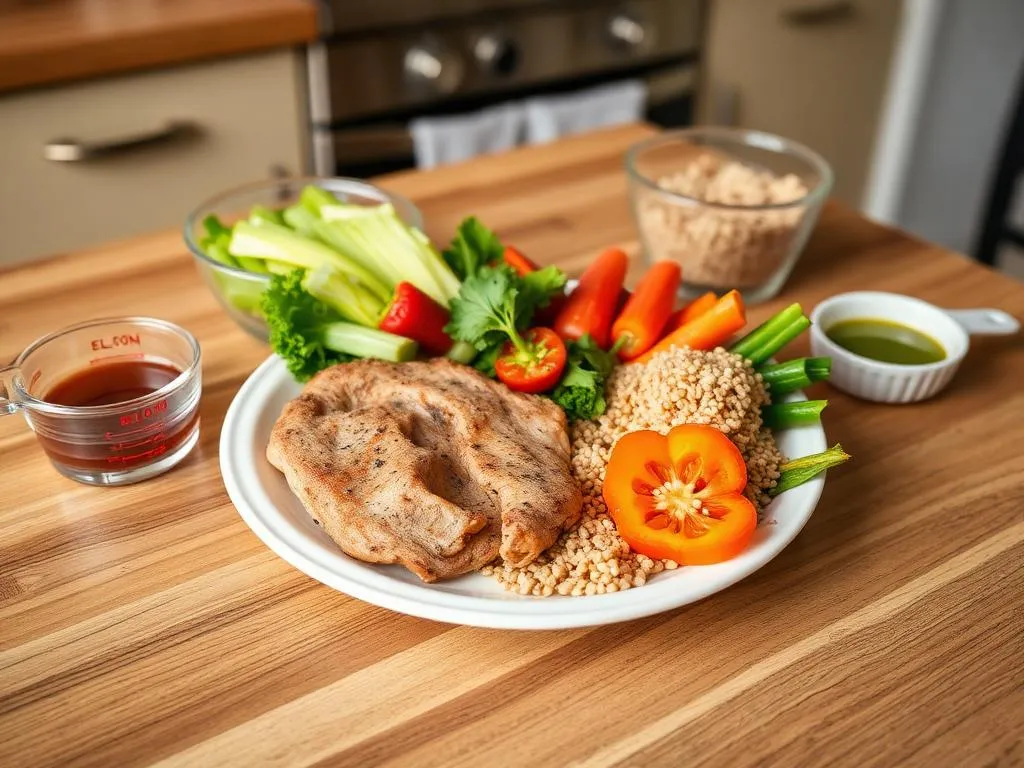
Matching total caloric intake to individual energy needs, neither chronically excessive nor restrictive, based on age, activity, and goals. Supports stable weight, energy, and metabolic health while preventing both nutrient deficiency and obesity-related inflammation.
- Practice
- Eat
- Principle
- Nourishment
- Tactic
- Other Nutritional Strategies
- Evidence grade
- Essential
- Strength of evidence
- High
- Cost
- Low
- Effort
- Medium
- Time commitment
- Low
How to practice Consume appropriate calories
Track intake periodically to calibrate portion sizes; most adults maintain weight with roughly 14–16 calories per pound of body weight depending on activity. Adjust gradually if weight or energy changes. Prioritize high-nutrient foods to meet needs within calorie targets. Avoid yo-yo dieting, consistency in moderate balance is most protective. Reassess every few months as activity or metabolism shifts.
The evidence behind Consume appropriate calories
Chronic overeating increases insulin resistance, oxidative stress, and inflammation, while long-term calorie restriction can lower metabolic rate and cause nutrient deficits. Observational studies and calorie-balance RCTs consistently show maintaining a healthy weight supports better cognition and vascular health. Some data suggest mild calorie reduction improves longevity markers, though extreme restriction can impair mood and focus. Optimal intake varies by genetics and activity.
More Eat techniques
Take control of your brain health
BetterBrain gives you a personalized protocol of techniques like these, backed by science and tailored to you.