Eat · Brain health technique
Blueberry anthocyanins
Evidence grade: Context Dependent
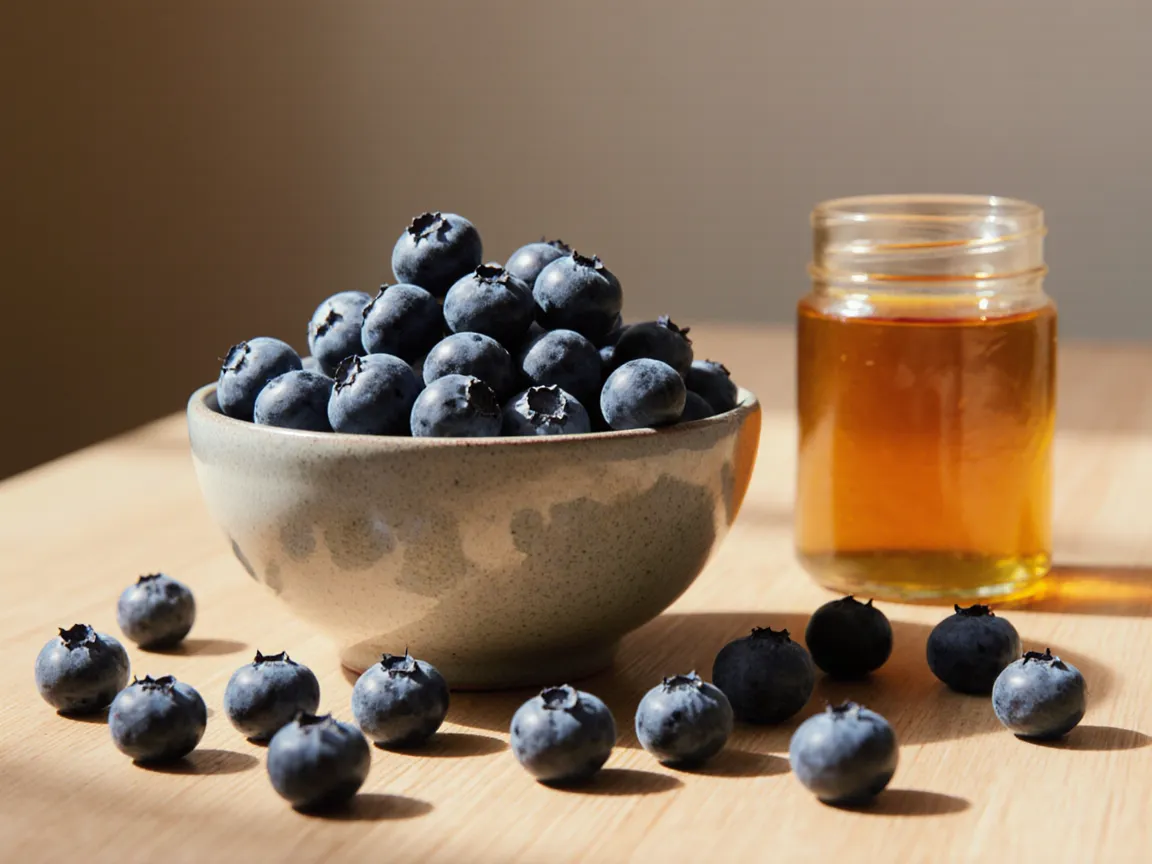
The deep blue-purple pigments in blueberries that act as powerful antioxidants and anti-inflammatory compounds in the brain.
- Practice
- Eat
- Principle
- Nourishment
- Tactic
- Brain Healthy Foods
- Evidence grade
- Context Dependent
How to practice Blueberry anthocyanins
Eat half to one cup of blueberries daily. Fresh, frozen, and freeze-dried all retain their anthocyanins well. Wild (lowbush) blueberries have about double the concentration of regular store-bought varieties. Add them to oatmeal, yogurt, or smoothies to make it a daily habit. Eating them with a little fat (like yogurt or nuts) may help your body absorb more.
The evidence behind Blueberry anthocyanins
Anthocyanins collect in the hippocampus and cortex, where they quiet inflammation, neutralize harmful free radicals, and boost BDNF, a protein that helps brain cells grow and connect. A meta-analysis of clinical trials found anthocyanin supplements significantly improved memory, especially recall, in both healthy people and those with cognitive decline. Brain scans confirm increased blood flow to memory regions after blueberry consumption.
More Eat techniques
Take control of your brain health
BetterBrain gives you a personalized protocol of techniques like these, backed by science and tailored to you.