De-stress · Brain health technique
Biofeedback
Evidence grade: Context Dependent
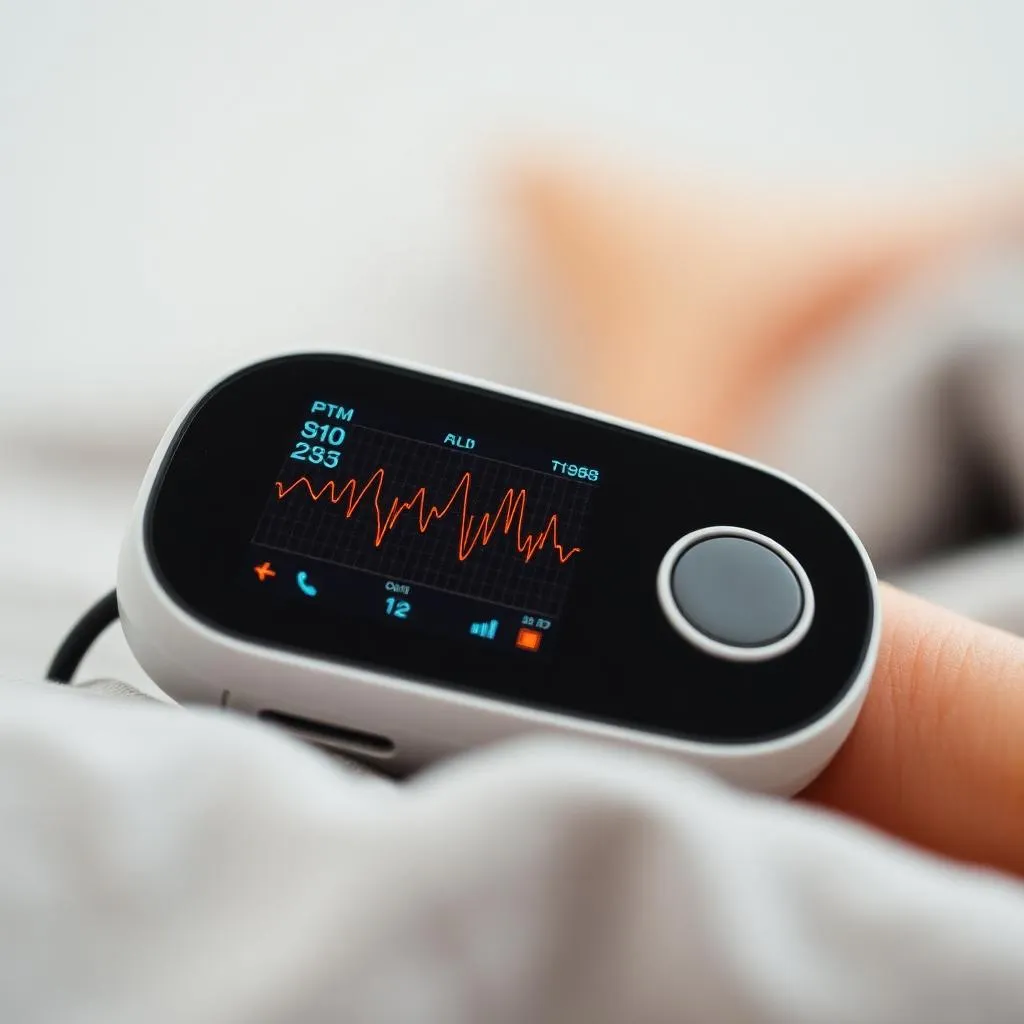
Use of sensors (e.g., for heart rate, muscle tension, skin temperature, or brainwaves) to provide real-time feedback so users can learn to consciously regulate physiological stress responses.
- Practice
- De-stress
- Principle
- Restoration
- Tactic
- Core Regulation Practices
- Evidence grade
- Context Dependent
- Strength of evidence
- Medium
How to practice Biofeedback
Work with a trained clinician or use validated consumer devices. Begin with 10–20 minute sessions 2–3 times per week. Focus on specific metrics (HRV, EMG tension, or skin temperature). Combine with guided relaxation and stress-tracking. Effectiveness depends on regular practice and accurate feedback.
The evidence behind Biofeedback
Biofeedback enhances self-regulation of stress and autonomic balance. Strong evidence supports benefits for anxiety, tension headaches, and hypertension. Mechanism: real-time feedback increases interoceptive awareness and voluntary control of autonomic responses. Data on direct brain or aging outcomes are limited but plausible.
More De-stress techniques
Take control of your brain health
BetterBrain gives you a personalized protocol of techniques like these, backed by science and tailored to you.