De-stress · Brain health technique
Biofeedback / Neurofeedback
Evidence grade: Context Dependent
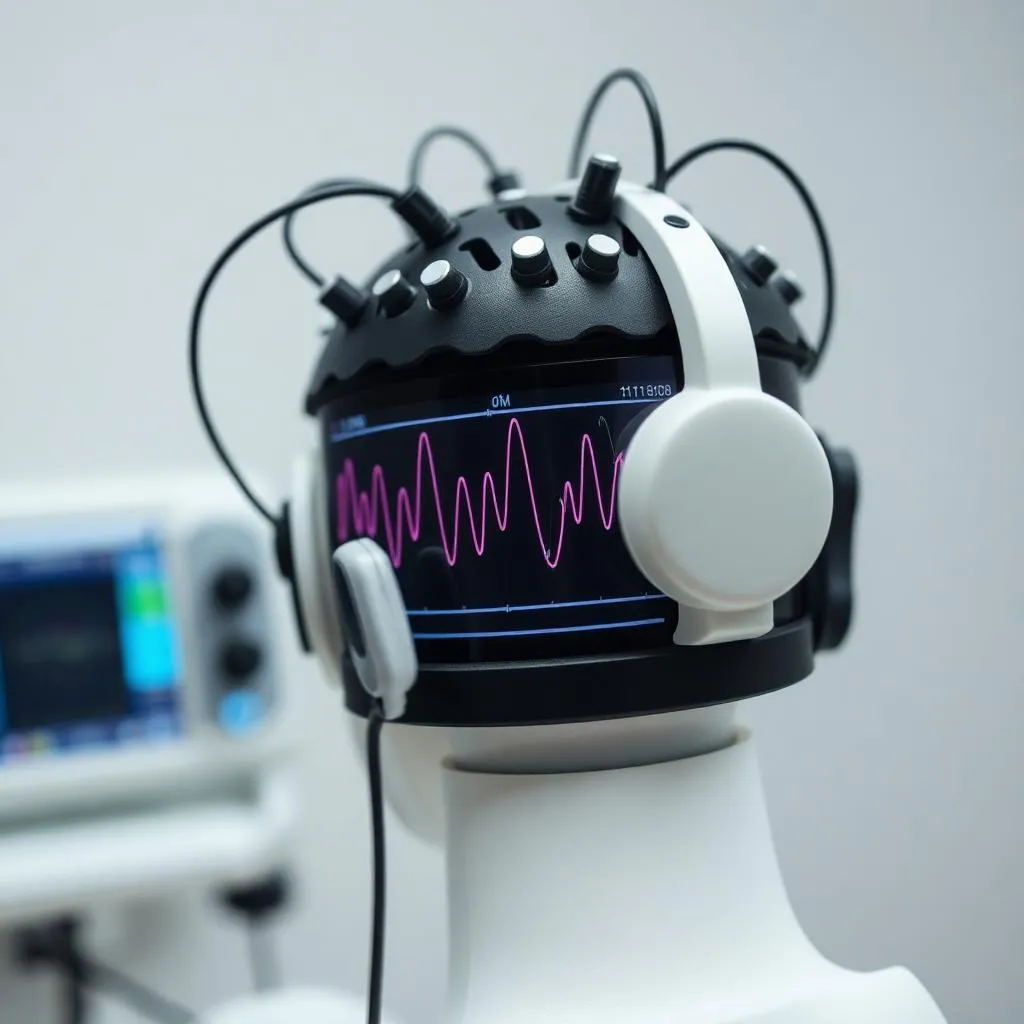
Techniques that use real-time physiological or brainwave feedback to teach voluntary regulation of stress responses, attention, or relaxation. Neurofeedback specifically provides EEG-based brainwave data for self-training.
- Practice
- De-stress
- Principle
- Restoration
- Tactic
- Clinical Therapy
- Evidence grade
- Context Dependent
- Strength of evidence
- Medium
How to practice Biofeedback / Neurofeedback
Begin with professional guidance or validated systems; aim for 10–20 sessions. Focus on one target metric (e.g., HRV, alpha/theta ratio). Use sessions as training, not treatment, benefits depend on regular practice and accurate calibration. Avoid unvalidated consumer EEG products claiming global “brain optimization.”
The evidence behind Biofeedback / Neurofeedback
Biofeedback improves autonomic control and HRV; neurofeedback shows moderate evidence for ADHD, anxiety, and insomnia. Mechanism: real-time feedback enhances self-regulation of cortical and autonomic activity, strengthening prefrontal control networks. Evidence strongest for clinical conditions, mixed for general performance enhancement.
More De-stress techniques
Take control of your brain health
BetterBrain gives you a personalized protocol of techniques like these, backed by science and tailored to you.