De-stress · Brain health technique
Cold Exposure (Ice Bath / Cold-Water Immersion)
Evidence grade: Experimental
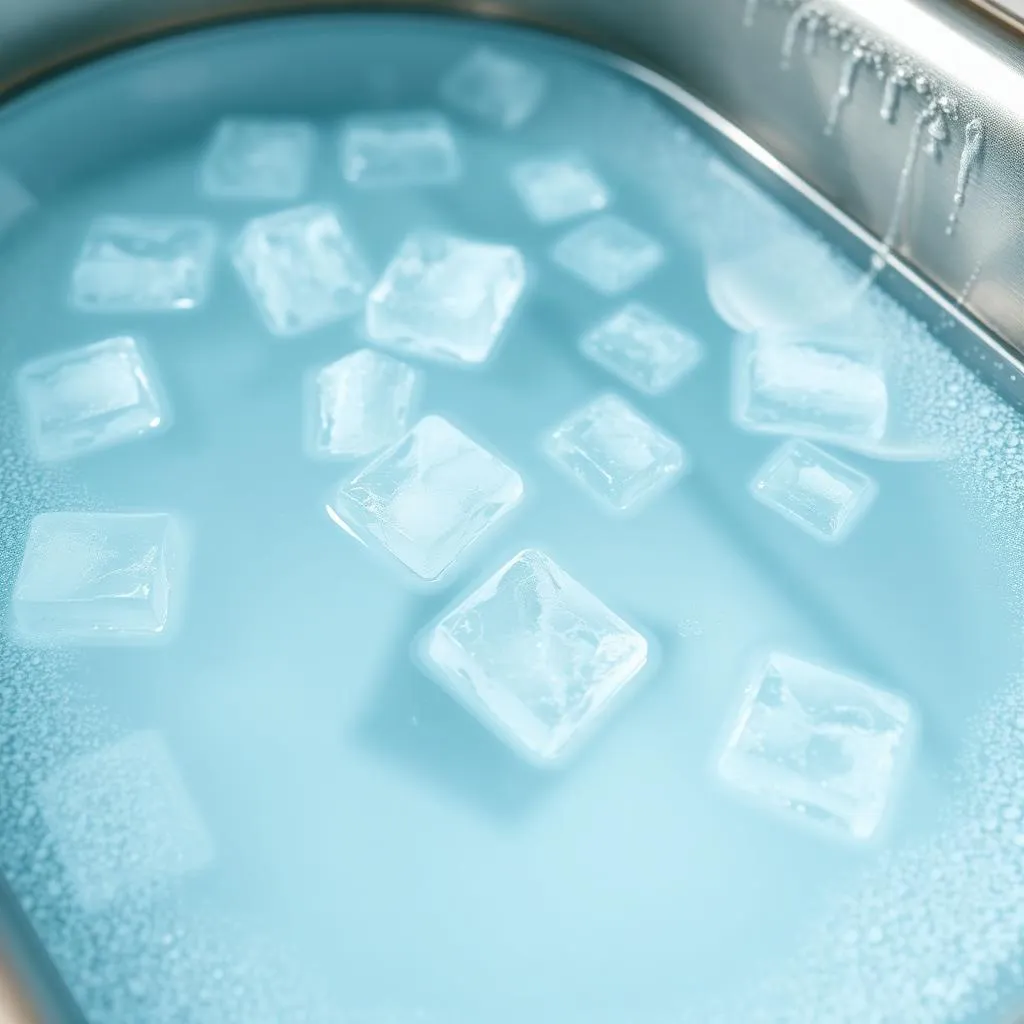
Immersing most of the body, typically up to the shoulders, in cold water (40–59°F / 10–15°C) for a few minutes to induce controlled thermal stress, aiming to improve recovery, mood, and stress tolerance.
- Practice
- De-stress
- Principle
- Restoration
- Tactic
- Recovery
- Evidence grade
- Experimental
- Strength of evidence
- Low
- Cost
- High
- Effort
- Medium
- Time commitment
- Medium
How to practice Cold Exposure (Ice Bath / Cold-Water Immersion)
Limit sessions to 1–3 times per week, 1–3 minutes at 50–59°F (10–15°C), ideally after intense or endurance workouts rather than routine training. Use primarily for soreness, acute stress relief, or mood enhancement, not as a daily longevity tool. Avoid immersion if you have cardiovascular disease, Raynaud’s, uncontrolled hypertension, or high QT intervals (from EKG) which can increase sudden death risk. Avoid after strength training as this can limit hypertrophy benefits. Rewarm gradually afterward with light movement.
The evidence behind Cold Exposure (Ice Bath / Cold-Water Immersion)
Evidence shows short-term reductions in muscle soreness and inflammation markers and transient improvements in mood and alertness. Mechanistically, cold immersion triggers sympathetic activation (norepinephrine, beta-endorphins) followed by parasympathetic rebound. However, chronic use can blunt muscle and mitochondrial adaptation via reduced mTOR and PGC-1α signaling. No proven long-term effects on cognition or neuroprotection. Benefits are consistent for subjective recovery and mood but speculative for lasting brain or systemic outcomes.
More De-stress techniques
Take control of your brain health
BetterBrain gives you a personalized protocol of techniques like these, backed by science and tailored to you.