Eat · Brain health technique
Fiber-rich foods
Evidence grade: Essential
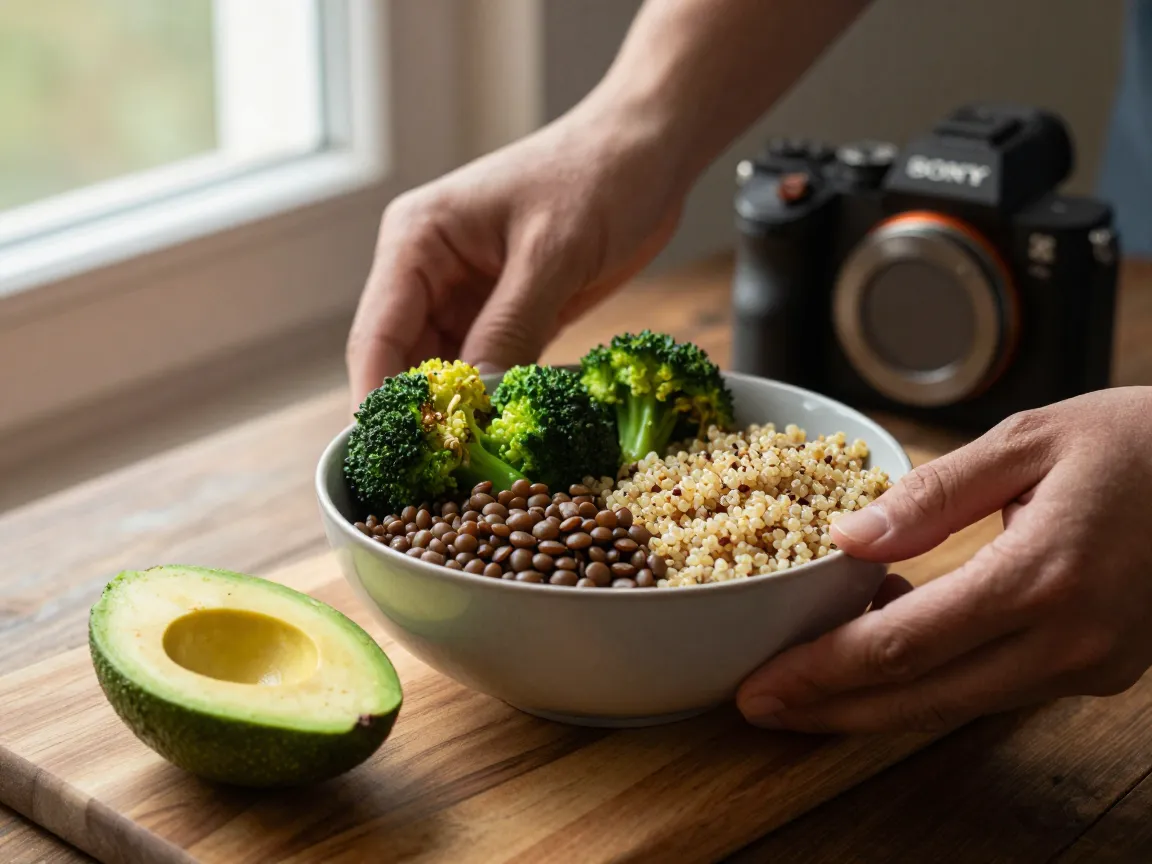
Dietary fiber from vegetables, legumes, whole grains, and fruits feeds gut bacteria that produce neuroprotective short-chain fatty acids. It also stabilizes blood sugar and lowers systemic inflammation.
- Practice
- Eat
- Principle
- Nourishment
- Tactic
- Brain Healthy Foods
- Health domains
- vascular
- Evidence grade
- Essential
How to practice Fiber-rich foods
Aim for 25–35 g of fiber (soluble and insoluble) daily from diverse whole foods, including beans, lentils, oats, berries, broccoli, flaxseed, building up 5 g/week to let your gut adjust. Drink extra water alongside fiber. Whole food sources beat supplements because they deliver polyphenols and micronutrients too.
The evidence behind Fiber-rich foods
Colonic bacteria ferment fiber into butyrate and other SCFAs that cross the blood-brain barrier, reducing neuroinflammation and supporting synaptic plasticity. The Circulatory Risk in Communities Study linked higher soluble fiber to significantly lower dementia risk across 3,739 adults over two decades. Animal models show fiber-deprived diets cause hippocampal synaptic loss via microglia-mediated pruning.
More Eat techniques
Take control of your brain health
BetterBrain gives you a personalized protocol of techniques like these, backed by science and tailored to you.