Eat · Brain health technique
High vegetable intake
Evidence grade: Essential
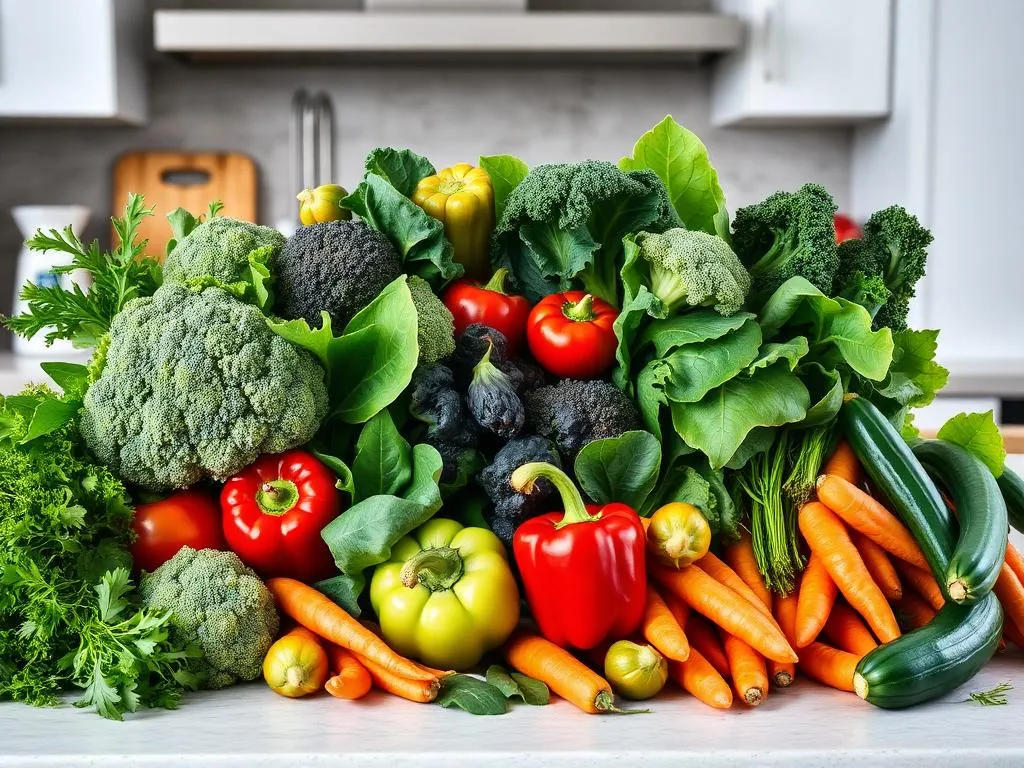
Consuming a wide range of non-starchy vegetables, leafy greens, cruciferous, roots, and colorful types, in large daily quantities (typically 3–5+ cups). Provides fiber, micronutrients, antioxidants, and phytochemicals that modulate inflammation and oxidative stress.
- Practice
- Eat
- Principle
- Nourishment
- Tactic
- Brain Healthy Foods
- Health domains
- gut health, inflammation, metabolic
- Evidence grade
- Essential
- Strength of evidence
- High
- Cost
- High
- Effort
- Low
- Time commitment
- Low
How to practice High vegetable intake
Aim for vegetables at every meal, targeting a variety of colors and textures. Include at least one serving of leafy greens daily and one cruciferous vegetable (broccoli, cabbage, kale) several times per week. Fresh, frozen, or lightly cooked all count; raw-only is unnecessary. Steam or roast to preserve nutrients. Add olive oil or nuts to boost fat-soluble absorption. Gradually increase fiber to avoid bloating.
The evidence behind High vegetable intake
Large longitudinal studies show higher vegetable intake, especially leafy greens, is strongly associated with slower cognitive decline. Mechanistically, high vegetable diets lower homocysteine and oxidative stress while improving gut microbiota and vascular health. Evidence is consistent across cohorts and intervention studies on diet quality. Greatest benefits occur with greens, cruciferous, and deeply colored vegetables. No credible downside other than minor digestive adjustment.
More Eat techniques
Take control of your brain health
BetterBrain gives you a personalized protocol of techniques like these, backed by science and tailored to you.