Move · Brain health technique
Low-impact sports
Evidence grade: Context Dependent
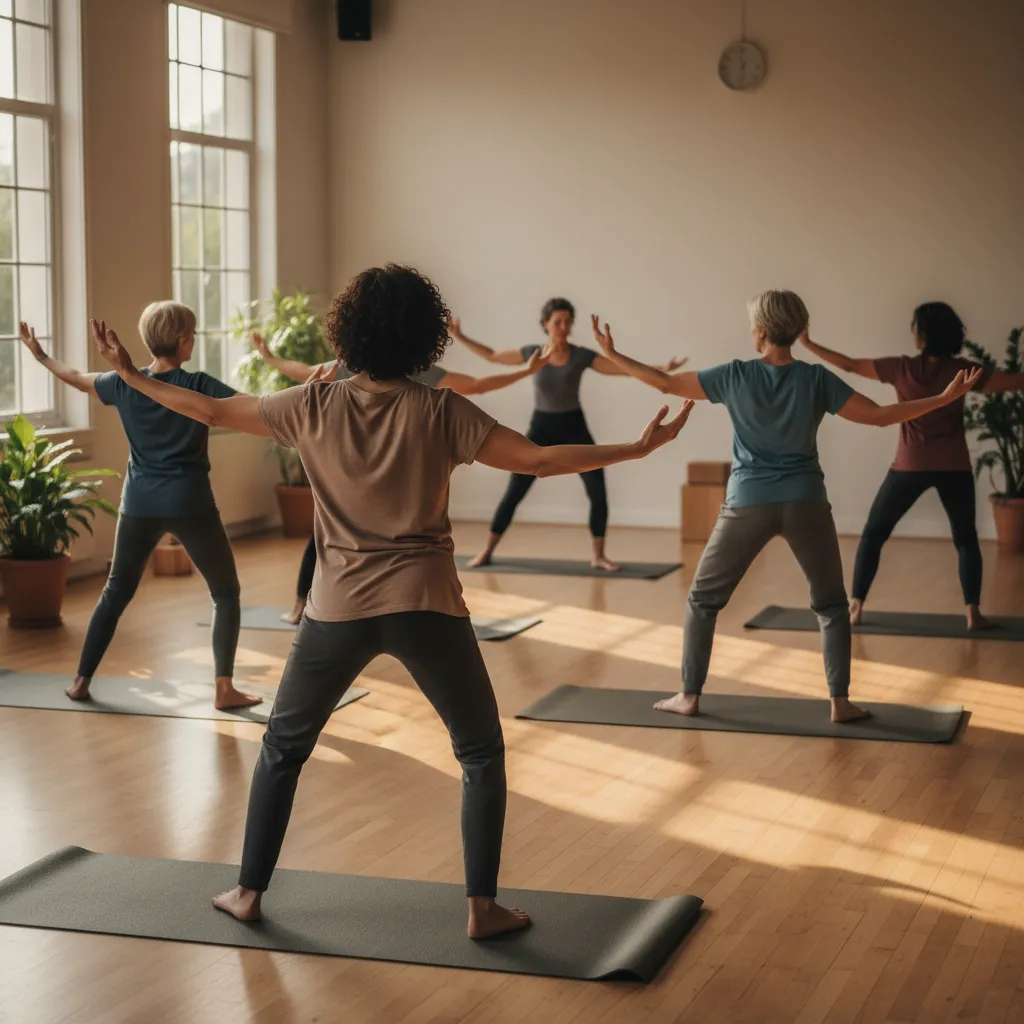
Activities minimizing joint stress while promoting strength and flexibility—such as yoga, Pilates, tai chi, and aquatic exercise. Emphasize control, breathing, and alignment.
- Practice
- Move
- Principle
- Engagement
- Tactic
- Group Physical Activities
- Evidence grade
- Context Dependent
- Strength of evidence
- Medium
How to practice Low-impact sports
Practice 2–4 sessions per week for 30–60 minutes each. Combine gentle strength and balance work with mindful breathing. Use mats, resistance bands, or water for joint-friendly resistance. Excellent for recovery days or stress management. Consistency yields gradual but lasting improvements in focus and flexibility.
The evidence behind Low-impact sports
Low-impact movement reduces inflammation, improves proprioception, and enhances parasympathetic balance. Trials show yoga and tai chi improve memory, executive function, and stress resilience through combined physical and mindfulness effects. Ideal for older adults or those recovering from injury. Minimal downside beyond time commitment.
More Move techniques
Take control of your brain health
BetterBrain gives you a personalized protocol of techniques like these, backed by science and tailored to you.