Move · Brain health technique
Mind–body coordination training
Evidence grade: Context Dependent
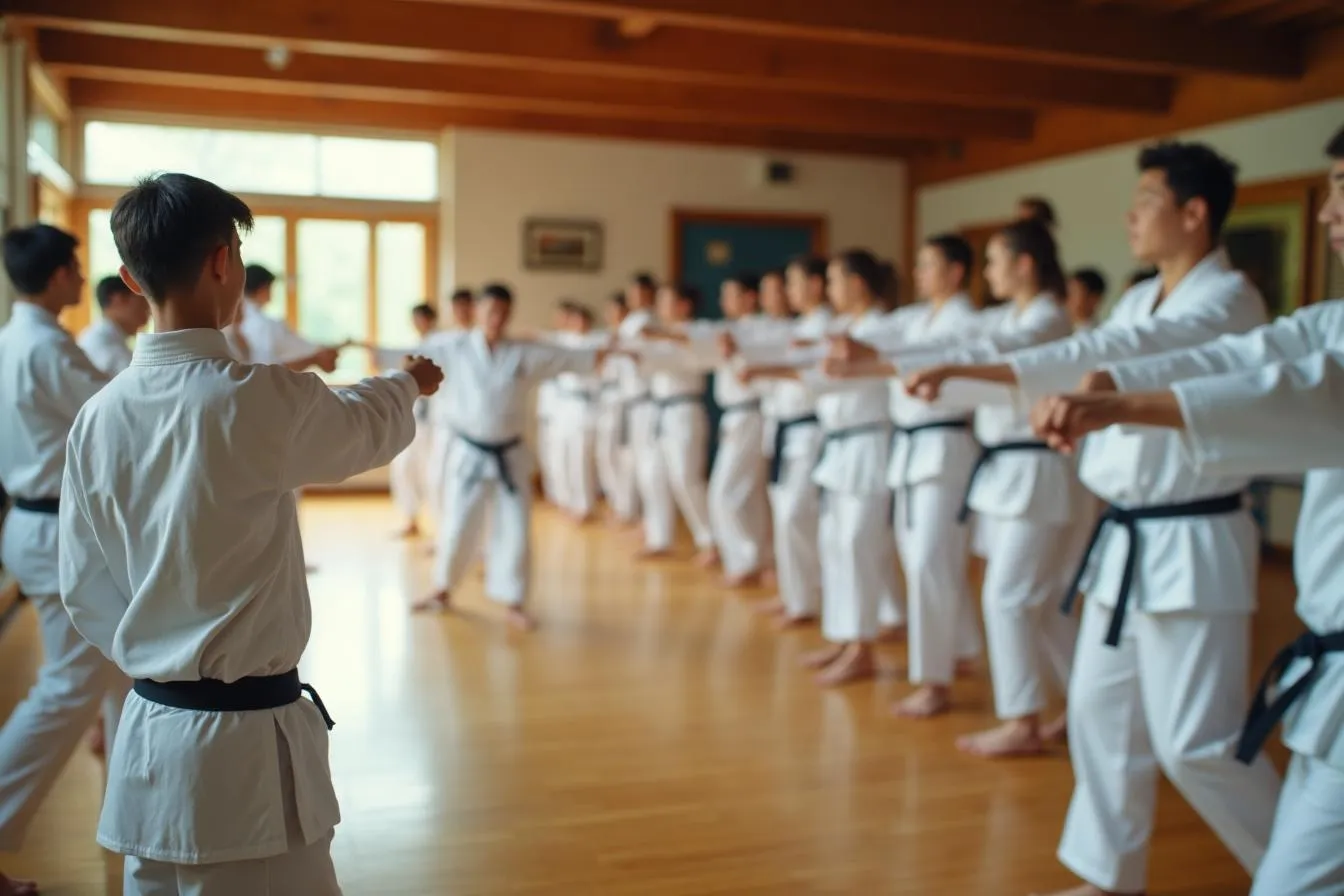
Practices that synchronize physical movement with cognitive or sensory input—such as tai chi, qigong, martial arts, yoga, or dance-based flow routines.
- Practice
- Move
- Principle
- Engagement
- Tactic
- Training
- Evidence grade
- Context Dependent
- Strength of evidence
- Medium
How to practice Mind–body coordination training
Practice 2–4 times per week for 30–60 minutes. Focus on fluidity, breath, and mental presence rather than intensity. Learn from qualified instructors to refine form. Particularly effective as a restorative or morning routine. Combine with strength or aerobic exercise for a well-rounded movement portfolio.
The evidence behind Mind–body coordination training
These disciplines strengthen neural circuits linking motor control, attention, and emotional regulation. Clinical trials show tai chi and similar practices improve memory, executive function, and mood in older adults. Mechanism: continuous feedback between proprioception, breath, and cognition enhances neuroplasticity and parasympathetic balance. Benefits accrue through long-term consistency.
More Move techniques
Take control of your brain health
BetterBrain gives you a personalized protocol of techniques like these, backed by science and tailored to you.