Eat · Brain health technique
MIND diet
Evidence grade: Context Dependent
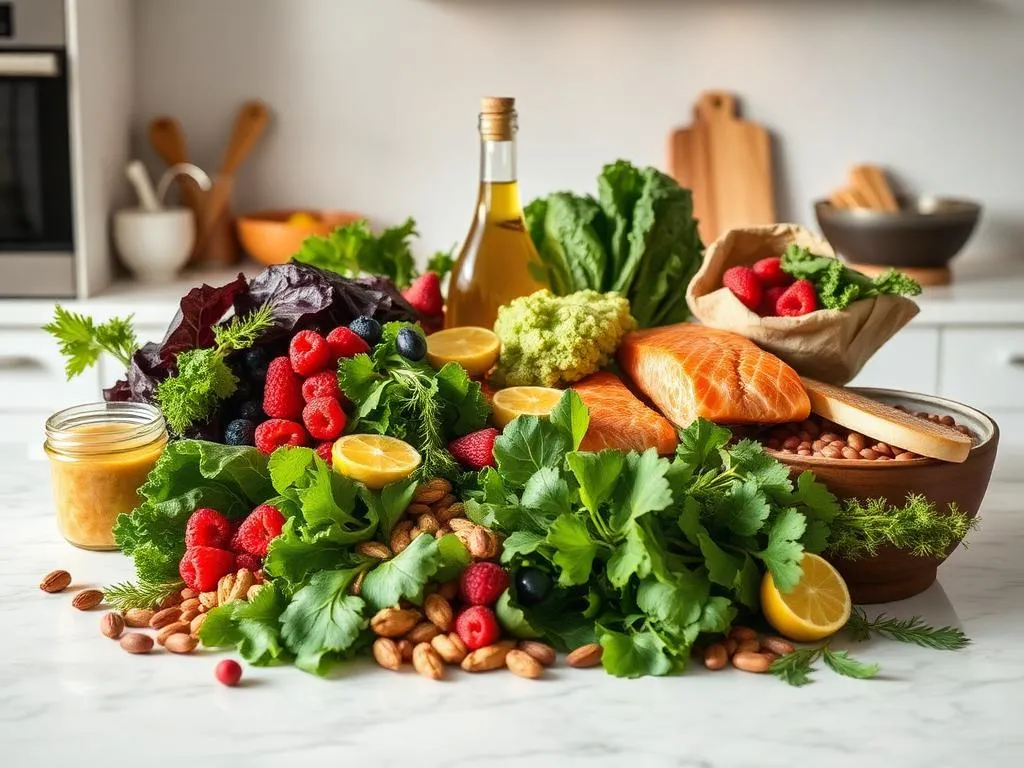
A hybrid of the Mediterranean and DASH diets designed specifically for brain health. It emphasizes leafy greens, berries, nuts, whole grains, beans, olive oil, and fish while limiting red meat, butter, cheese, pastries, and fried food. It operates through antioxidant, anti-inflammatory, and vascular pathways.
- Practice
- Eat
- Principle
- Nourishment
- Tactic
- Holistic Nutritional Strategies
- Evidence grade
- Context Dependent
- Strength of evidence
- Medium
- Effort
- High
- Time commitment
- Low
How to practice MIND diet
Follow the core food groups: daily greens and other vegetables, berries ≥2×/week, nuts most days, beans every other day, fish weekly, and olive oil as primary fat. Minimize processed foods and added sugars. Perfection isn’t required, each point of improvement correlates with measurable cognitive benefit. Affordable swaps (frozen berries, canned beans, bulk grains) maintain most advantages.
The evidence behind MIND diet
Large observational cohorts (e.g., Rush Memory and Aging Project) show high MIND adherence is associated with up to 50% lower risk of Alzheimer’s and slower cognitive decline. The is mechanistic plausibility - for example, polyphenols and omega-3s reduce amyloid burden and preserve microvascular health, and the brain benefits from lower blood pressure improved metabolic health. RCTs are emerging but supportive. Benefits appear across ages and genetic profiles, especially for midlife and older adults.
More Eat techniques
Take control of your brain health
BetterBrain gives you a personalized protocol of techniques like these, backed by science and tailored to you.