Eat · Brain health technique
Omega-3–rich foods
Evidence grade: Essential
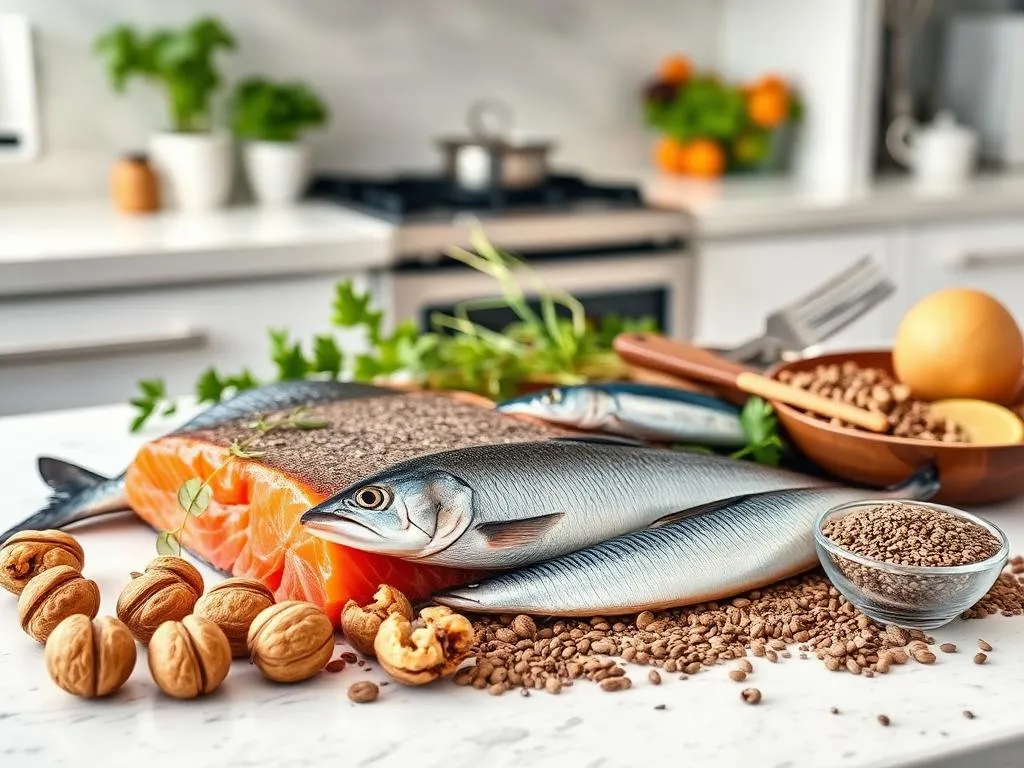
Foods high in the omega-3 fatty acids EPA and DHA (found in salmon, sardines, trout, anchovies) and ALA (in flaxseed, chia, walnuts). These fats are building blocks of brain cell membranes and influence inflammation, blood flow, and neurotransmission.
- Practice
- Eat
- Principle
- Nourishment
- Tactic
- Brain Healthy Foods
- Health domains
- inflammation, metabolic, musculoskeletal, neurocognitive
- Evidence grade
- Essential
- Strength of evidence
- High
- Cost
- Low
- Effort
- Low
- Time commitment
- Low
How to practice Omega-3–rich foods
Eat at least two servings (3–4 oz) of fatty fish per week. Choose low-mercury types like salmon, sardines, trout, or anchovies. Plant-based eaters can use algae-based DHA supplements (1 g/day). Balance omega-6 intake by reducing fried and processed foods. Fresh or frozen fish retain value; canned options are fine.
The evidence behind Omega-3–rich foods
DHA and EPA improve membrane fluidity, reduce neuroinflammation, and support synaptic function. Meta-analyses of RCTs show small but significant improvements in memory and executive function, especially in those with low baseline intake or mild cognitive impairment. Long-term cohort studies show lower dementia risk with 1–2 fish servings per week. Evidence is robust for cardiovascular and cognitive benefit. Minor concerns involve mercury exposure from large fish, mitigated by variety.
More Eat techniques
Take control of your brain health
BetterBrain gives you a personalized protocol of techniques like these, backed by science and tailored to you.