Eat · Brain health technique
Raw food diet
Evidence grade: Weak
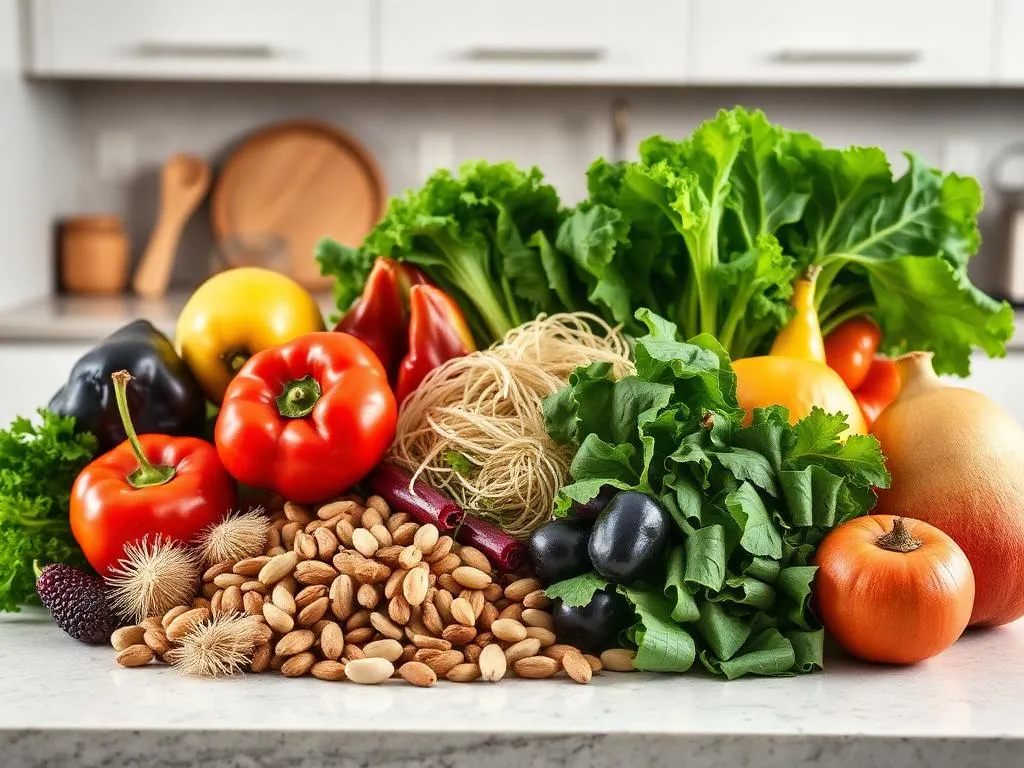
A regimen emphasizing uncooked and unprocessed plant foods, fruits, vegetables, nuts, seeds, and sprouts, based on the idea that heat destroys beneficial enzymes and nutrients. Typically excludes meat, dairy, grains, and cooked legumes.
- Practice
- Eat
- Principle
- Nourishment
- Tactic
- Holistic Nutritional Strategies
- Evidence grade
- Weak
- Strength of evidence
- Low
How to practice Raw food diet
Incorporate more raw produce for freshness but avoid extreme restriction. Aim for roughly half raw, half cooked plants for nutrient balance. Light steaming or sautéing preserves most vitamins while improving digestibility. Strict raw veganism is hard to sustain and risky long term without supplements (B12, D, iron, zinc). Those with compromised immunity should avoid raw sprouts or unpasteurized juices due to contamination risk.
The evidence behind Raw food diet
While raw foods provide vitamins and fiber, claims about “live enzymes” improving brain health lack evidence. Some antioxidants degrade with heat, but cooking also increases bioavailability of others (e.g., lycopene, beta-carotene). No clinical data link raw diets to better cognition. Observational reports show risks of nutrient deficiencies (B12, calcium, protein) and low energy intake. Benefits may stem mainly from higher fruit and vegetable content, not rawness.
More Eat techniques
Take control of your brain health
BetterBrain gives you a personalized protocol of techniques like these, backed by science and tailored to you.