Moderate Toxins · Brain health technique
Reduce exposure to microplastics and nanoplastics
Evidence grade: Context Dependent
Tiny plastic fragments and fibers shed from packaging, synthetic clothing, and degraded materials. They contaminate air, water, and food, entering the body through inhalation and ingestion. Laboratory studies show particles small enough (nanoplastics < 100 nm) can cross biological barriers and trigger oxidative stress.
- Practice
- Moderate Toxins
- Principle
- Protection
- Tactic
- Minimize Environmental Toxins
- Evidence grade
- Context Dependent
- Strength of evidence
- Medium
How to practice Reduce exposure to microplastics and nanoplastics
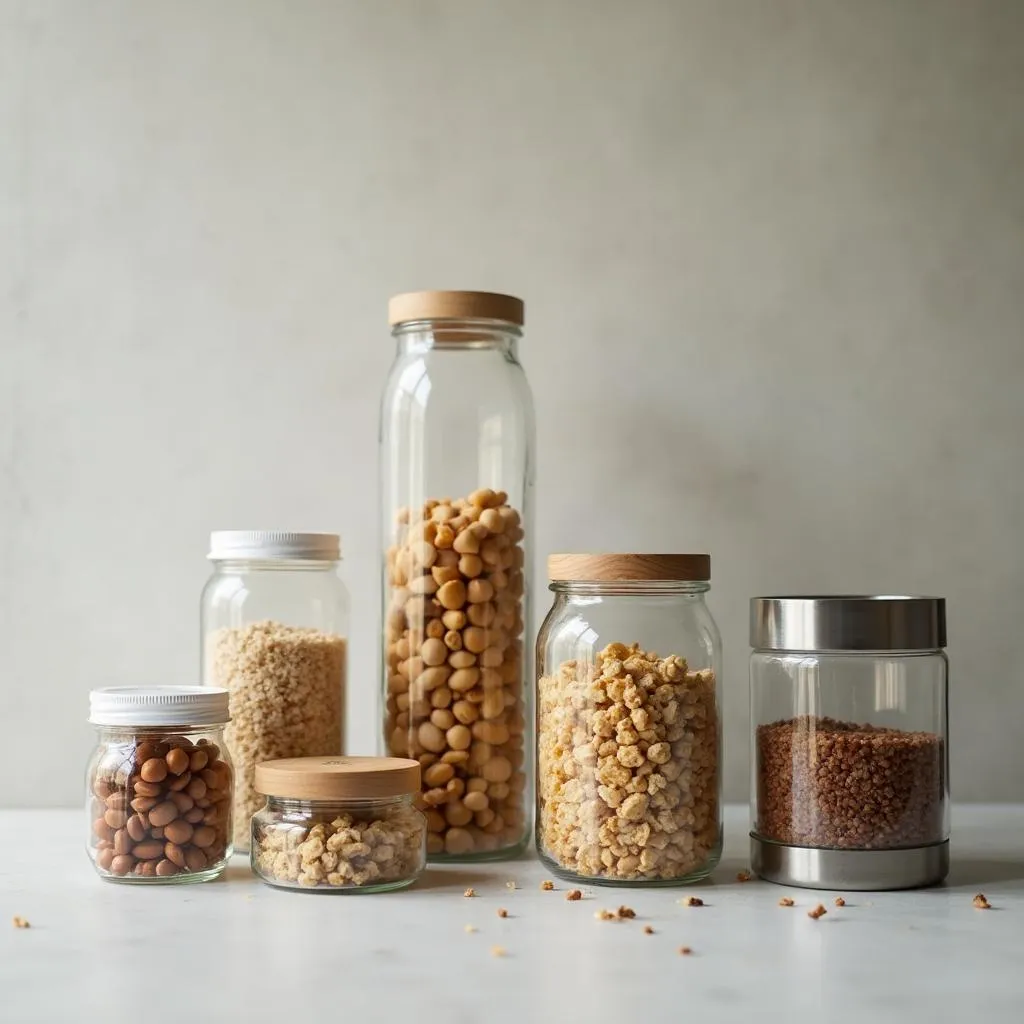
To minimize microplastic exposure, prioritize high-impact changes that reduce contact with degraded plastics and environmental contaminants rather than striving for impossible perfection. The most critical rule is to avoid heating plastics, as heat accelerates chemical leaching; this means never microwaving food in plastic, keeping plastic items out of the dishwasher, and skipping hot liquids in plastic-lined paper cups or coffee pods. Switch to glass or stainless steel for daily water bottles and food storage. Finally, reduce environmental intake by filtering drinking water with a reverse osmosis system to capture nanoplastics and using HEPA air filters to trap airborne particles.
The evidence behind Reduce exposure to microplastics and nanoplastics
Robust clinical evidence comes from a 2024 New England Journal of Medicine study, which found that patients with microplastics in their arterial plaques faced a 4.5-fold higher risk of heart attack, stroke, or death, likely due to inflammation and plaque instability. This is supported by mechanistic data showing that additives like BPA and PFAS act as endocrine disruptors, mimicking estrogen or fatty acids to potentially alter metabolic and reproductive health, while nanoplastics are small enough to cross biological barriers and bioaccumulate in organs. Given these plausible mechanisms and the fact that plastic offers no biological benefit, the guidance relies on the precautionary principle: taking practical steps to minimize exposure before definitive causal proof is fully established.
More Moderate Toxins techniques
Take control of your brain health
BetterBrain gives you a personalized protocol of techniques like these, backed by science and tailored to you.