Environment · Brain health technique
Use HEPA + activated-carbon air filtration
Evidence grade: Context Dependent
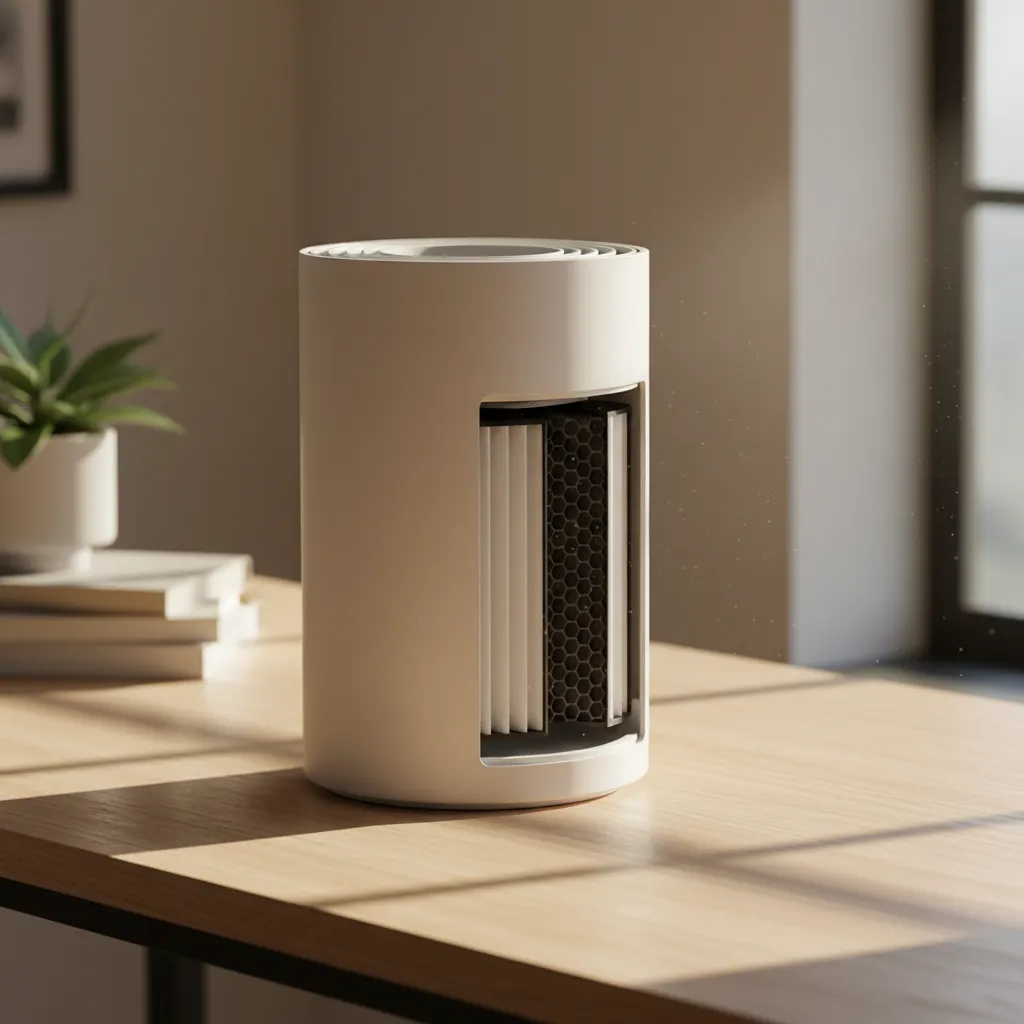
Portable or whole-home systems that draw room air through a true HEPA filter (captures > 99 % of particles ≥ 0.3 µm, including PM₂.₅, spores, pollen, smoke) and an activated-carbon layer that adsorbs odors and gases. Removes fine particulates and volatile organics that drive oxidative stress.
- Practice
- Environment
- Principle
- Protection
- Tactic
- Air Quality Optimization
- Evidence grade
- Context Dependent
- Strength of evidence
- Medium
- Cost
- High
- Effort
- Low
- Time commitment
- Low
How to practice Use HEPA + activated-carbon air filtration
Run purifiers continuously in bedrooms and main living areas. Size units for ≥ 4 air changes/hour. Select “True HEPA” (not “HEPA-type”) with sealed housing. Replace HEPA every 6–12 months, carbon every 3–6. Place one near the bed or desk.
The evidence behind Use HEPA + activated-carbon air filtration
Controlled trials in homes, dorms, and wildfire regions show indoor PM₂.₅ drops 60–90 %, with corresponding reductions in inflammatory markers and improved vascular function within weeks. Cleaner air lowers heart-rate variability stress and improves sleep quality. Cognitive benefit is modest but consistent with reduced systemic inflammation.
More Environment techniques
Take control of your brain health
BetterBrain gives you a personalized protocol of techniques like these, backed by science and tailored to you.