De-stress · Brain health technique
Creative or Relaxing Hobbies
Evidence grade: Context Dependent
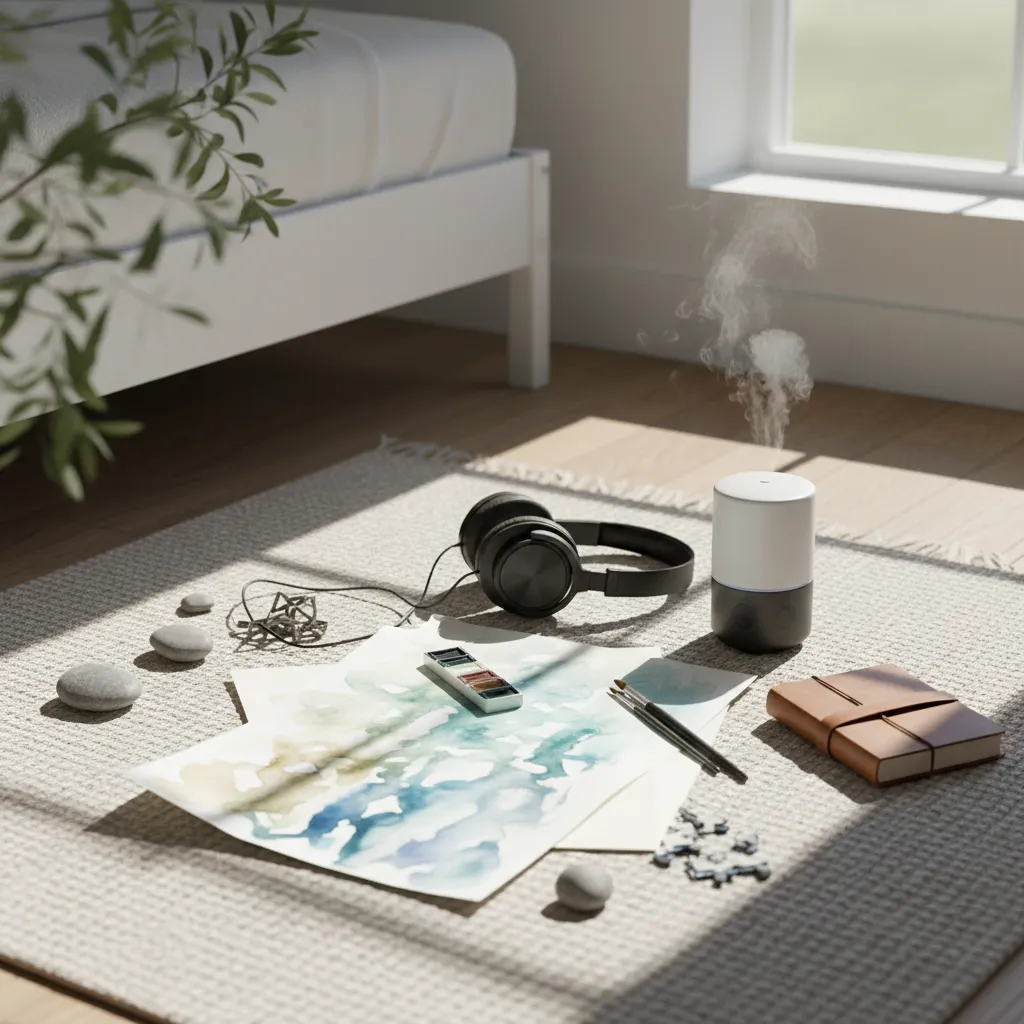
Engaging in enjoyable, low-pressure activities, art, gardening, crafts, music, or cooking, that foster focus and flow while lowering stress hormones.
- Practice
- De-stress
- Principle
- Restoration
- Tactic
- Recovery
- Evidence grade
- Context Dependent
- Strength of evidence
- Medium
- Cost
- Low
- Effort
- Medium
- Time commitment
- Medium
How to practice Creative or Relaxing Hobbies
Dedicate at least 1–2 hours weekly to intrinsically rewarding, non-competitive hobbies. Choose activities requiring gentle focus and tangible results. Avoid multitasking or digital distraction during sessions. Treat leisure as intentional recovery, not filler time.
The evidence behind Creative or Relaxing Hobbies
Enjoyable leisure activates reward and parasympathetic systems while reducing cortisol. Longitudinal studies show that leisure engagement predicts better mood, lower inflammation, and slower cognitive decline, though causality remains uncertain. Mechanism: flow states and positive affect enhance resilience and reduce allostatic load.
More De-stress techniques
Take control of your brain health
BetterBrain gives you a personalized protocol of techniques like these, backed by science and tailored to you.