De-stress · Brain health technique
EMDR (Eye Movement Desensitization and Reprocessing)
Evidence grade: Context Dependent
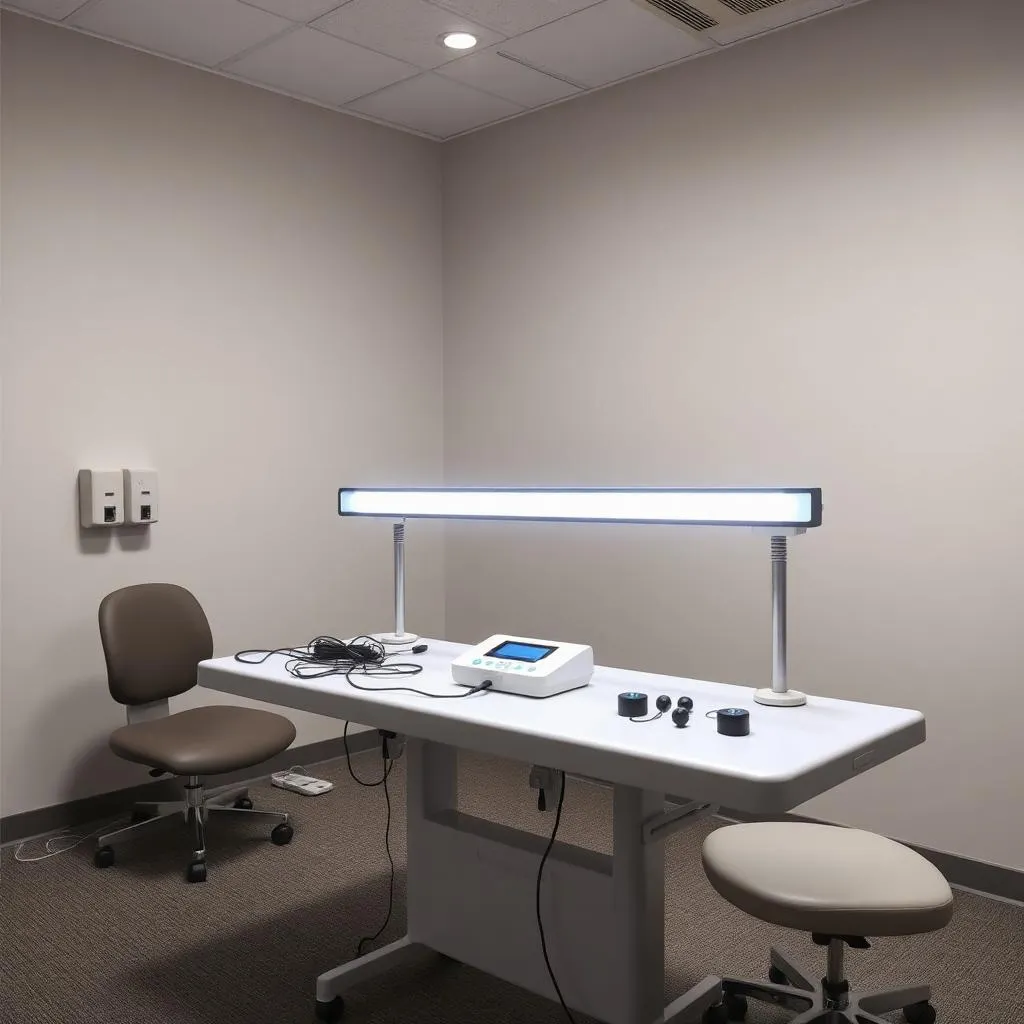
A structured psychotherapy using bilateral stimulation (eye movements, taps, or sounds) while recalling distressing memories to reduce their emotional intensity and reprocess associated beliefs.
- Practice
- De-stress
- Principle
- Restoration
- Tactic
- Clinical Therapy
- Evidence grade
- Context Dependent
- Strength of evidence
- Medium
How to practice EMDR (Eye Movement Desensitization and Reprocessing)
Best used under supervision of a licensed EMDR therapist. Typically involves 6–12 sessions targeting specific memories or triggers. Not intended as self-guided relaxation. Effective for trauma-related insomnia, anxiety, or emotional flashbacks; not needed for routine stress.
The evidence behind EMDR (Eye Movement Desensitization and Reprocessing)
Strong RCT evidence supports EMDR for post-traumatic stress disorder (PTSD), with comparable efficacy to trauma-focused CBT. Mechanism: alternating bilateral stimulation may enhance memory reconsolidation and reduce amygdala hyperreactivity. Evidence robust for trauma-related stress but limited for general stress reduction or cognitive enhancement.
More De-stress techniques
Take control of your brain health
BetterBrain gives you a personalized protocol of techniques like these, backed by science and tailored to you.