De-stress · Brain health technique
Environmental Design for Calm
Evidence grade: Context Dependent
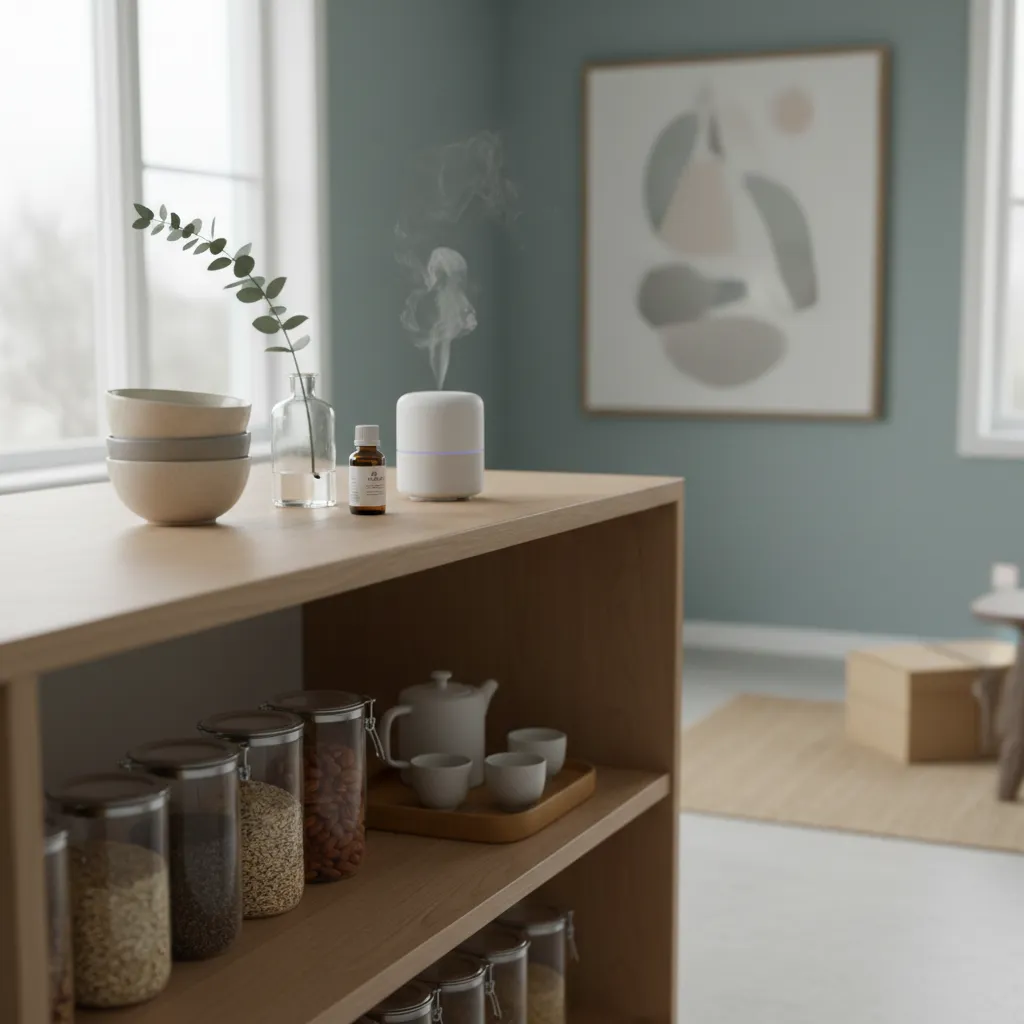
Structuring indoor spaces, lighting, color, materials, air quality, and organization, to create an atmosphere that promotes relaxation and mental clarity.
- Practice
- De-stress
- Principle
- Restoration
- Tactic
- Social & Environmental Factors
- Evidence grade
- Context Dependent
- Strength of evidence
- Medium
How to practice Environmental Design for Calm
Optimize living or work areas for serenity: use natural light, greenery, and soft textures; minimize clutter and harsh noise; maintain air quality and temperature comfort. Add natural scents and gentle visual symmetry. Review periodically, small, consistent refinements maintain calming impact over time.
The evidence behind Environmental Design for Calm
Environmental psychology and building-science studies link calm design elements (natural light, plants, soft materials, order, moderate color tones) with lower cortisol and improved mood and focus. Mechanism: reduced sensory load and biophilic cues engage parasympathetic and attention-restoration systems. Evidence moderate but consistent across contexts.
More De-stress techniques
Take control of your brain health
BetterBrain gives you a personalized protocol of techniques like these, backed by science and tailored to you.