De-stress · Brain health technique
Group-Based Relaxation or Therapy
Evidence grade: Context Dependent
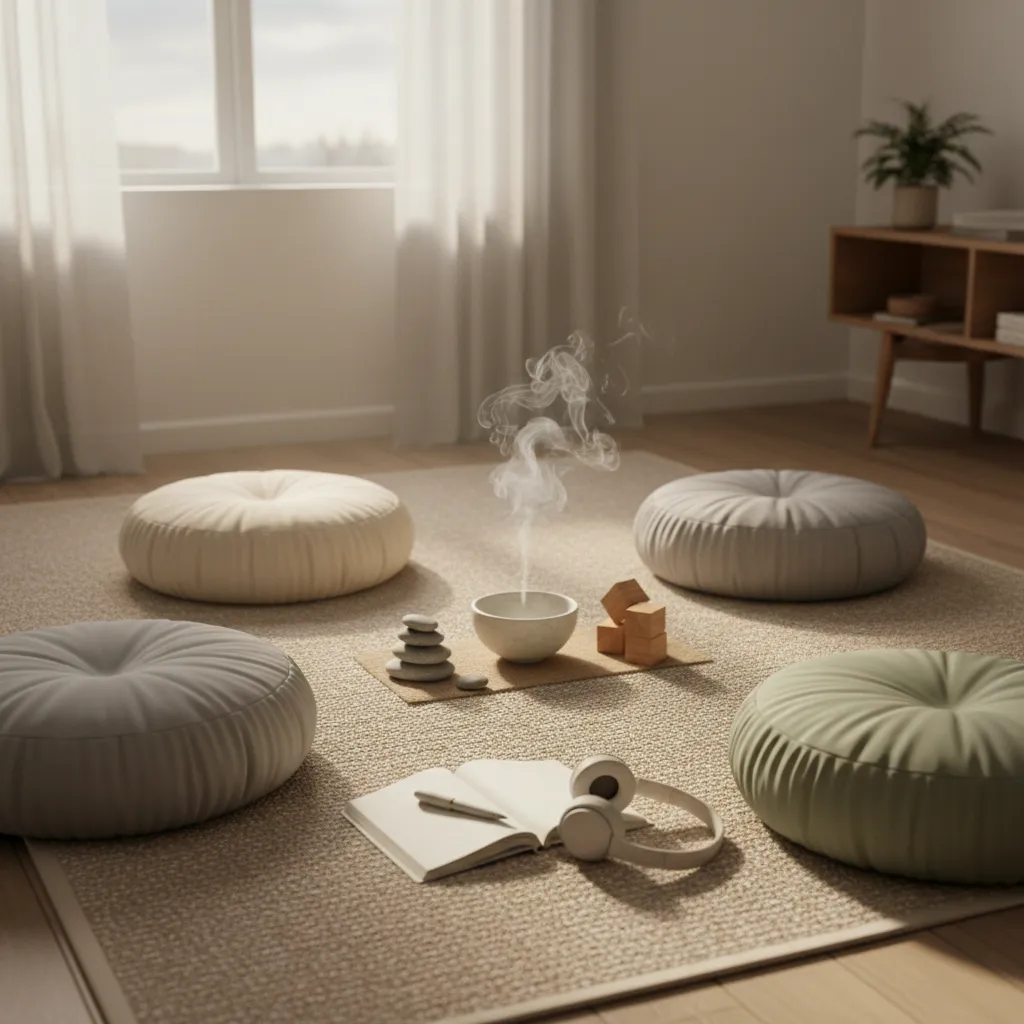
Participating in guided group sessions for stress reduction, such as mindfulness classes, yoga groups, or supportive therapy circles, that combine social contact with relaxation or cognitive training.
- Practice
- De-stress
- Principle
- Restoration
- Tactic
- Social & Environmental Factors
- Evidence grade
- Context Dependent
- Strength of evidence
- Medium
How to practice Group-Based Relaxation or Therapy
Attend group sessions 1–2 times weekly for shared relaxation or skills training. Choose groups emphasizing openness and shared goals. Participate actively but without pressure to disclose more than comfortable. Combine with solo practice for reinforcement. Evaluate facilitator quality, supportive group dynamics drive results.
The evidence behind Group-Based Relaxation or Therapy
Group-based formats enhance adherence, motivation, and oxytocin-mediated bonding. RCTs show greater and more sustained stress reduction compared with solitary practice, though outcomes vary with facilitator skill and cohesion. Mechanism: social reinforcement strengthens prefrontal control and reduces loneliness-driven cortisol elevation. Evidence moderate but consistent for stress and emotional benefits.
More De-stress techniques
Take control of your brain health
BetterBrain gives you a personalized protocol of techniques like these, backed by science and tailored to you.