De-stress · Brain health technique
Progressive Muscle Relaxation (PMR)
Evidence grade: Context Dependent
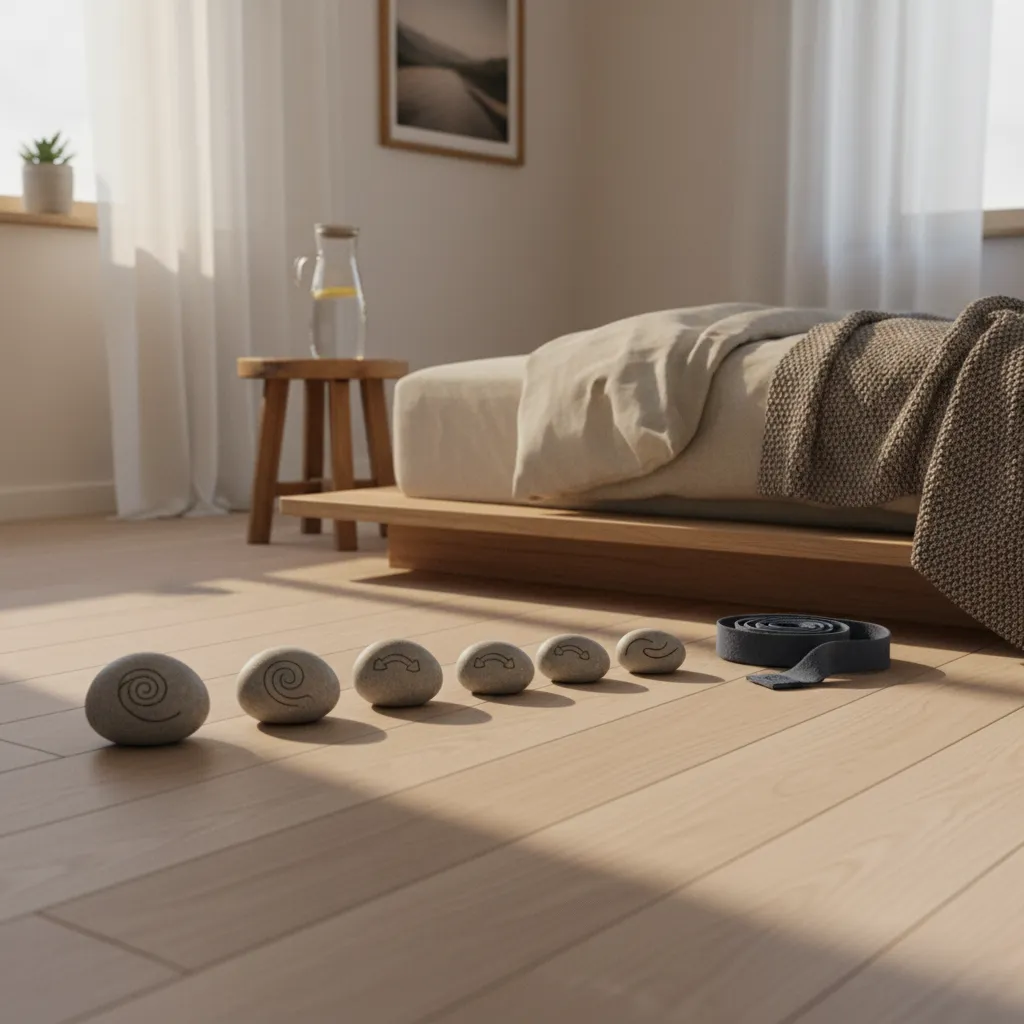
A guided practice that involves systematically tensing and relaxing muscle groups from head to toe to reduce physical tension and promote relaxation awareness.
- Practice
- De-stress
- Principle
- Restoration
- Tactic
- Core Regulation Practices
- Evidence grade
- Context Dependent
- Strength of evidence
- Medium
How to practice Progressive Muscle Relaxation (PMR)
Practice once daily or as part of a bedtime routine: sequentially tense each muscle group for ~5 seconds, then release for ~15 seconds. Work from feet upward. Use guided audio initially. Best for individuals with somatic tension or insomnia. Combine with slow breathing for additive calming.
The evidence behind Progressive Muscle Relaxation (PMR)
PMR reduces sympathetic activation and enhances parasympathetic recovery. RCTs show consistent benefits for anxiety, stress-related insomnia, and blood pressure. Mechanistically, repeated tension–release cycles teach recognition and voluntary control of muscle tone and autonomic arousal. Cognitive or structural brain effects are less studied but plausible via chronic stress reduction.
More De-stress techniques
Take control of your brain health
BetterBrain gives you a personalized protocol of techniques like these, backed by science and tailored to you.