De-stress · Brain health technique
Reduce Environmental Noise & Clutter
Evidence grade: Context Dependent
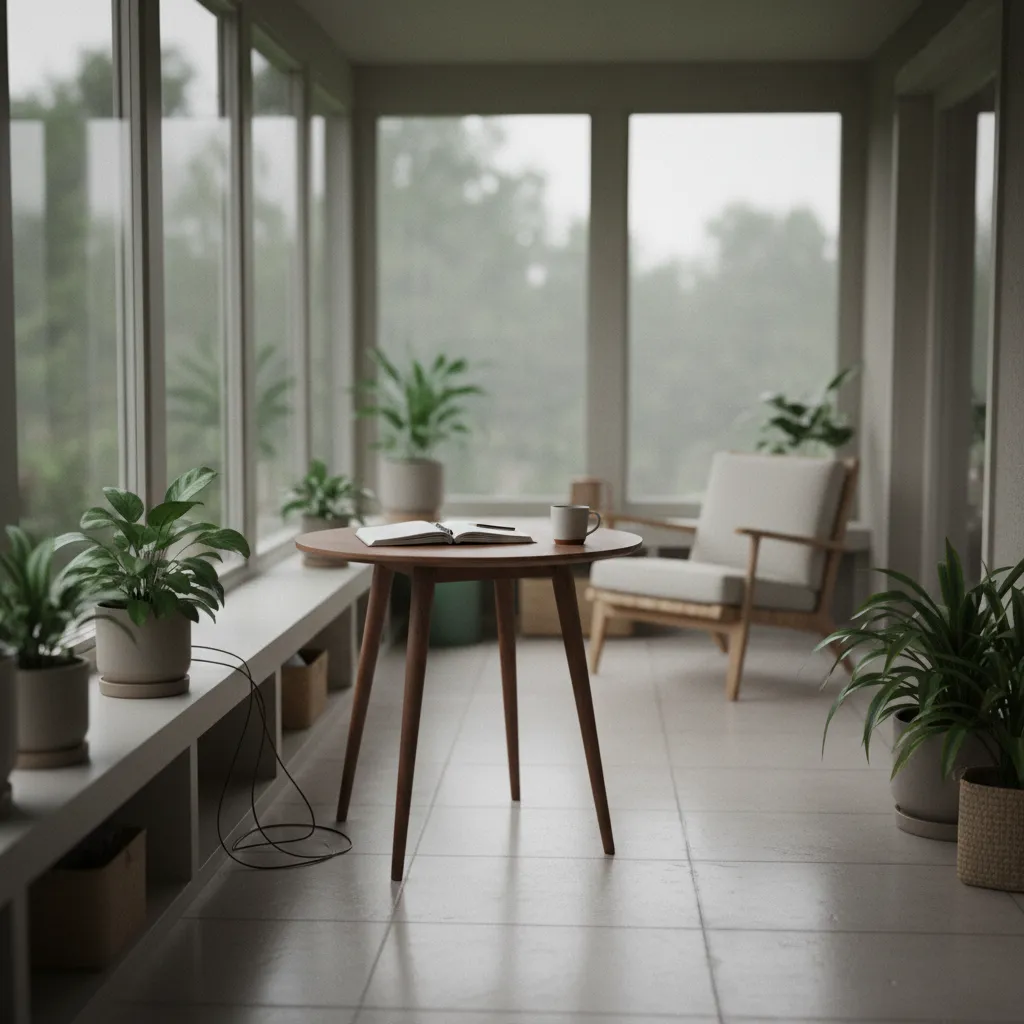
Creating a calm, organized, and quiet living or work space to minimize sensory overload and cognitive fatigue.
- Practice
- De-stress
- Principle
- Restoration
- Tactic
- Social & Environmental Factors
- Evidence grade
- Context Dependent
- Strength of evidence
- Medium
- Cost
- Medium
- Effort
- Low
- Time commitment
- Low
How to practice Reduce Environmental Noise & Clutter
Identify and reduce unnecessary sensory load: declutter visible surfaces, organize storage, and minimize background noise. Use soft materials, plants, or white noise to buffer sound. Schedule periodic cleanups to maintain calm. Combine with lighting and temperature optimization for a restorative environment.
The evidence behind Reduce Environmental Noise & Clutter
Environmental stressors such as chronic noise and clutter elevate cortisol and impair attention. Studies show that high-noise or visually chaotic settings increase stress and reduce working-memory performance. Mechanism: sustained sensory input taxes attentional control networks and sympathetic tone. Evidence moderate but clear for stress reduction, indirect for long-term brain health.
More De-stress techniques
Take control of your brain health
BetterBrain gives you a personalized protocol of techniques like these, backed by science and tailored to you.