De-stress · Brain health technique
Sauna / Heat Therapy
Evidence grade: Context Dependent
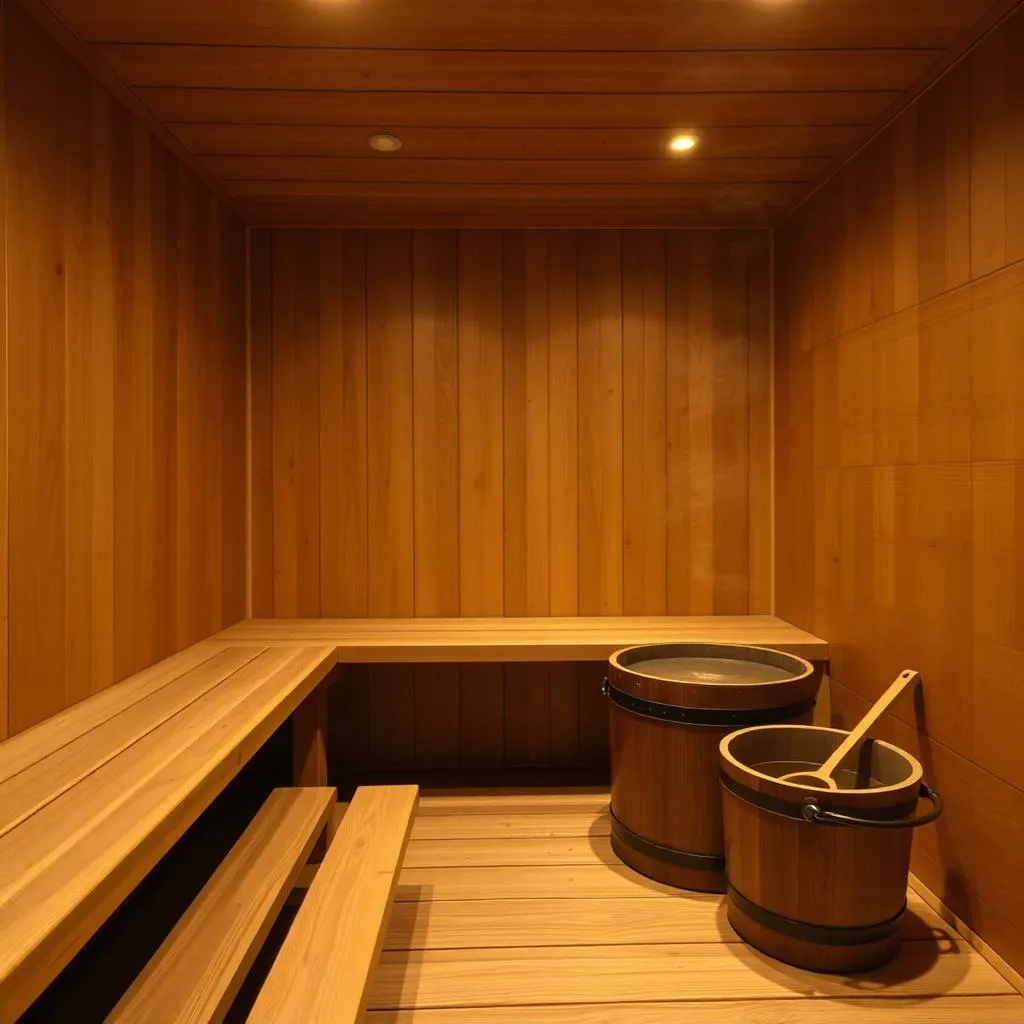
Periodic use of dry or steam heat (e.g., Finnish sauna, infrared sauna) to raise core body temperature and induce controlled hyperthermia, followed by gradual cooling.
- Practice
- De-stress
- Principle
- Restoration
- Tactic
- Recovery
- Health domains
- mental health
- Evidence grade
- Context Dependent
- Strength of evidence
- Medium
- Cost
- High
- Effort
- Low
- Time commitment
- High
How to practice Sauna / Heat Therapy
Begin with 1–3 sessions per week, 10–20 minutes at 160–180°F (70–82°C), followed by a cool-down period. Work your way up to 4+ sessions per week at 180F (dry) for 20 minutes - consistent with the highest benefit cohort in the Finnish studies. Hydrate well and avoid alcohol or dehydration. Those with cardiovascular disease should consult a physician before regular use. Consistency and gradual adaptation matter more than duration extremes. Avoid extreme heat - at least one observational study showed increased dementia risk in 200F+ heat.
The evidence behind Sauna / Heat Therapy
Regular sauna use is linked to lower cardiovascular mortality, reduced dementia risk (65% lower risk in highest benefit cohort), and improved mood in large Finnish cohorts. Mechanistically, heat stress increases circulation, induces heat-shock proteins, and mimics mild exercise effects on vascular and autonomic function. Evidence observational but consistent and biologically plausible.
More De-stress techniques
Take control of your brain health
BetterBrain gives you a personalized protocol of techniques like these, backed by science and tailored to you.