How much omega-3 should I take a day?
There is no official daily target for EPA and DHA. Here is what our clinical advisors suggest, how to read a fish oil label, and when a blood test helps.
There is no official daily amount for EPA and DHA, the omega-3s found in fish and algae. BetterBrain's technique library suggests at least 1 to 2 grams of EPA and DHA combined a day, with 1 to 2 grams of DHA in particular for the brain, and the top of that range, 2 grams, if you carry APOE4. If you eat fatty fish twice a week or more, you may not need a supplement.
Most clients pay $0 with employer sponsored insurance.
The front of a fish oil bottle often says 1,000 mg. That number usually describes the whole oil. The amount that matters, the EPA and DHA inside it, is on the back.
EPA, DHA and ALA
Omega-3s come in three main forms. ALA is in plant foods like flax, chia and walnuts. EPA and DHA are in fatty fish and algae. Your body turns only a small share of ALA into EPA and DHA, which is why fish and algae oils are the usual supplements.
The NIH sets a daily amount for ALA, 1.6 grams for men and 1.1 grams for women, but says recommended amounts of EPA and DHA have not been established (NIH Office of Dietary Supplements, omega-3 fact sheet).
How much to take
BetterBrain's technique library suggests a fish or algae oil that provides at least 1 to 2 grams of EPA and DHA combined a day. For the brain, aim for 1 to 2 grams of DHA in particular, and the top of that range, 2 grams, if you have one or two copies of APOE4. Take it with a meal that contains fat, which helps absorption. People who eat two or more servings of fatty fish a week may not need a supplement.
For a ceiling, the FDA recommends no more than 5 grams a day of EPA and DHA combined from supplements.
How to read the label
Add the EPA and DHA lines on the Supplement Facts panel. That total is your dose. Then check two more things:
- Third-party purity certification, such as IFOS or USP.
- Storage. Keep liquid oils in the fridge so they don't oxidize, since oxidized oil loses its benefit.
Algae oil gives vegetarians and vegans the same EPA and DHA without fish.
When a blood test helps
A blood test is the only way to know whether your intake is enough. Our technique library suggests adjusting your dose to your result, aiming for an Omega-3 Index of 8 to 12%. Omega-3 testing is not part of BetterBrain's Essentials labs.
What the research shows for the brain
Some, but not all, studies link eating more fish to a lower risk of Alzheimer's disease and dementia. The NIH's summary is that more research on omega-3s and the brain is needed. That is a reason to cover your intake, through food or a supplement. It is not a reason to megadose. Omega-3 may also help B vitamins work: in a follow-up analysis of the VITACOG trial, B vitamins did more for people with good omega-3 levels. More in Can you take too much B12?
Who should check with a doctor first
- Anyone taking a blood thinner. High doses of omega-3s can cause bleeding problems with warfarin and other anticoagulants. Talk with your doctor before starting, especially above 3 grams a day.
- Anyone with atrial fibrillation or at risk of it. For other medication interactions, see Supplements and medications: what not to mix.
Side effects are usually mild: a fishy aftertaste, heartburn, nausea or loose stools.
Frequently asked questions
Is fish oil good for you?
For most people it is safe, and side effects are mild. It is most useful when you don't eat much fatty fish.
How much omega-3 is too much?
The FDA recommends no more than 5 grams a day of EPA and DHA from supplements. If you take a blood thinner, talk with your doctor before going above 3 grams.
Is krill oil better than fish oil?
Both provide EPA and DHA. Compare the EPA plus DHA per serving and look for purity testing. Those matter more than the source.
Can I get enough omega-3 from food?
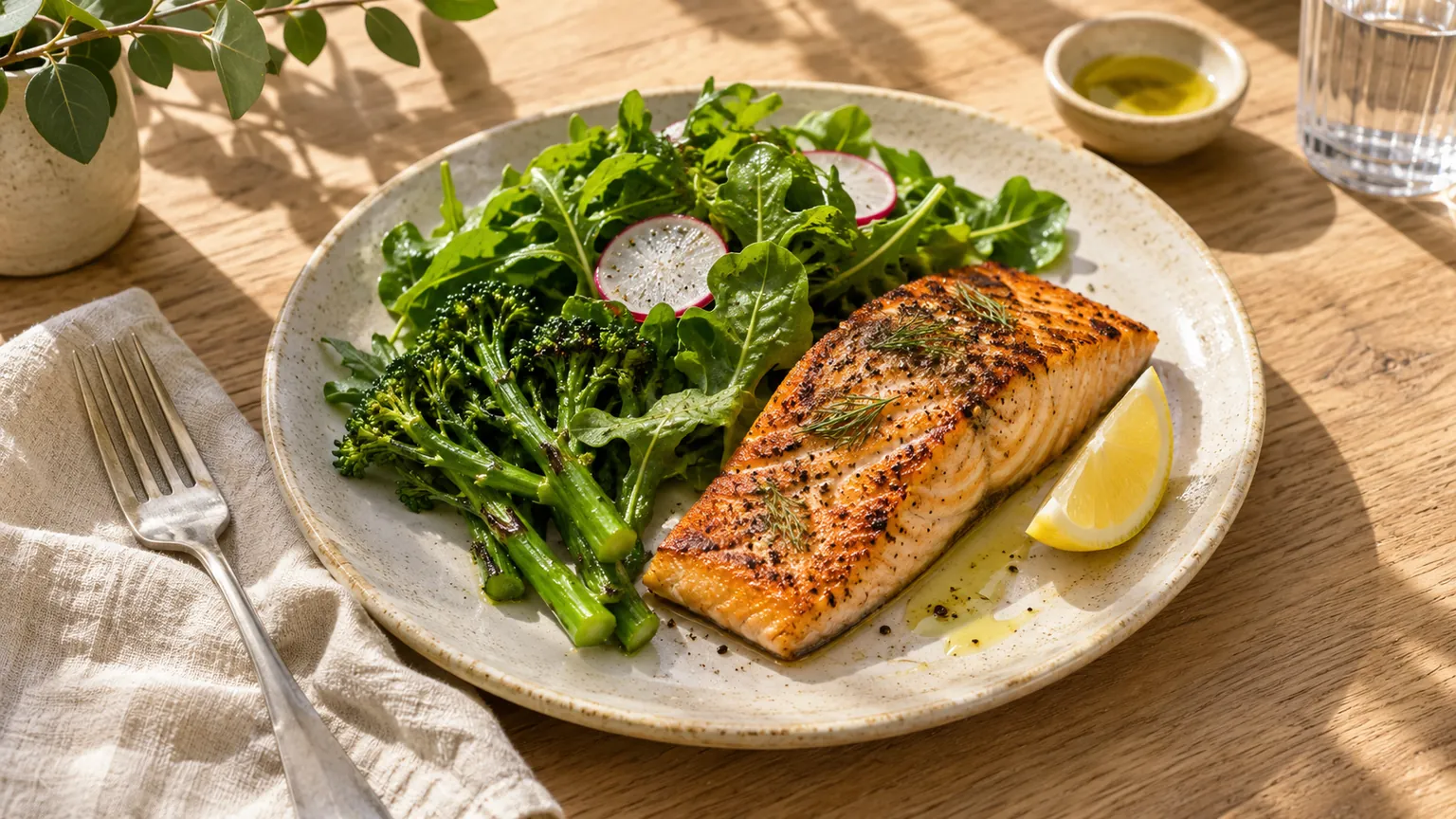
Two or more servings a week of fatty fish such as salmon, mackerel, anchovies, sardines or herring may be enough.
REFERENCES
- NIH Office of Dietary Supplements, Omega-3 fatty acids fact sheet https://ods.od.nih.gov/factsheets/Omega3FattyAcids-Consumer/