
GreyMatters
Educational articles, BetterBrain resources, latest in brain health, and news about us. Written for you, with expertise (and love).
.png)
How to Personalize Your Brain Health Plan With Your Own Data
How to Personalize Your Brain Health Plan With Your Own Data
Most brain health advice is useful, but it is also designed for the average person.
Sleep more. Move often. Eat a nutritious diet. Manage stress. Build strength.
These fundamentals matter. But they cannot tell you which risk factors deserve the most attention, what may be changing in your body, or whether your current routine is producing the results you want.
Personalized brain health guidance uses your own labs, health history, sleep, activity, habits, and goals to help determine where to focus first.
BetterBrain members can now bring more of that information into My Vault, the health data home inside the BetterBrain platform. You can upload previous lab results, connect wearable data, and import relevant health context from an AI assistant such as ChatGPT, Claude, or Gemini.
All three tools are available free across BetterBrain accounts.
Why Does Generic Brain Health Advice Have a Ceiling?
General health advice tells you what tends to help people on average. It cannot tell you which intervention is likely to matter most for you.
Two people can follow the same routine and have very different needs because they begin with different:
- Biomarker levels
- Genetics and family histories
- Sleep patterns
- Activity levels
- Medical histories
- Medications and supplements
- Diets, habits, and goals
One person may need to focus on improving sleep consistency. Another may already sleep well but have an elevated cardiovascular risk marker that deserves more attention. A third may be exercising regularly but not recovering adequately.
That is why personalization matters. It helps turn broad recommendations into clearer priorities.
Research has also found that multidomain brain health interventions tailored to individual risk profiles can produce better cognitive outcomes than general health information alone. You can read the randomized controlled trial published in Nature Medicine here.
What Is Personalized Brain Health Guidance?
Personalized brain health guidance applies current research to information about your own health.
Instead of simply telling everyone that sleep is important, personalized guidance can consider:
- How much you are actually sleeping
- Whether your sleep duration or consistency is changing
- How your sleep relates to your activity and recovery
- Whether your current protocol appears to be helping
- Which other risk factors may deserve attention
Personalization does not replace the fundamentals. It helps identify which fundamentals matter most for you, where to begin, and what to monitor over time.
How Does My Vault Help Personalize Your Brain Health Plan?
My Vault brings several sources of health information together inside your BetterBrain account.
You can use it to:
- Upload previous laboratory results
- Connect sleep and activity data from a wearable
- Import relevant health context from another AI assistant
Together, these tools give BeBe, BetterBrain’s AI brain health coach, a more complete picture of your health and goals.
Upload Past Lab Results and Track Changes Over Time
A single laboratory result is only a snapshot. The trend often provides more useful context.
If you have previous results stored in a patient portal, computer folder, email, or paper file, you can upload them to My Vault as a PDF or image. BetterBrain can extract the biomarker results and display them alongside your current numbers.
Tracking results over time can help you understand:
- Whether a biomarker is moving in the desired direction
- Whether a change is new or part of a longer pattern
- How your results respond to changes in your routine
- Whether an intervention appears to be working
- Which markers may deserve further discussion with your clinician
For example, a cholesterol result may appear acceptable when viewed alone. But seeing several years of results together could reveal that the number has been steadily increasing or improving.
Your brain health plan should respond to what is changing, not just what appeared on one test.
Link Your Wearable Data
Questionnaires capture what you remember. Wearables can capture what is happening each day.
If you use a fitness tracker or smartwatch, you can connect it to BetterBrain through the BeBe app and Apple Health. You choose which information you want to share, and you can change the permissions or disconnect the integration at any time.
Depending on your device and permissions, wearable data may provide useful context about:
- Sleep duration
- Sleep consistency
- Daily movement
- Exercise
- Heart rate
- Recovery patterns
- Changes in routine
This can make guidance more specific.
Instead of receiving another reminder that sleep is important, you may be able to see that your sleep duration is adequate but inconsistent, or that your activity has declined over the past several weeks.
The goal is not to obsess over every daily number. It is to recognize meaningful patterns that may otherwise be easy to miss.
Import Your AI Memory
Many people already use ChatGPT, Claude, or Gemini to discuss their health, routines, goals, and preferences.
You may have already told an AI assistant about:
- Your health history
- Current symptoms or concerns
- Injuries
- Medications and supplements
- Family medical history
- Exercise habits
- Diet
- Sleep
- Health goals
- How you prefer advice to be delivered
- Strategies you have already tried
You can now bring that context into BetterBrain instead of starting from the beginning.
Visit Import AI Memory inside My Vault. You will see a prompt that you can open or paste into the AI assistant you use. The assistant will organize the relevant information it knows about you. You can then review the response and paste it into BetterBrain.
The process takes about a minute.
Once imported, BeBe can begin with more context about your history, preferences, goals, and previous efforts.
How Is BeBe Different From ChatGPT, Claude, or Gemini?
General AI assistants draw from broad knowledge across an enormous range of subjects. Their responses are also largely shaped by what you choose to tell them in each conversation.
BeBe is built specifically for brain health. It is grounded in brain health research that has been reviewed and interpreted by BetterBrain’s scientists and clinicians.
BeBe can then apply that specialized knowledge to information within your BetterBrain account, including:
- Your laboratory history
- Wearable sleep and activity data
- Health profile
- Current brain health protocol
- Uploaded documents
- Coaching insights
- Imported health context
- Personal goals and preferences
The distinction is specialized brain health science combined with your personal data.
A general assistant may repeat common recommendations. BeBe is designed to help you understand how the evidence relates to your own risks, results, and priorities.
Is My Health Information Private?
Your imported information stays private to your account and is used to personalize your guidance.
You control what you upload, what wearable information you share, and whether you want to delete information later. Wearable permissions can also be changed or turned off at any time.
Only import information you are comfortable storing in your BetterBrain account.
How Do I Get Started With My Vault?
You do not need to complete everything at once.
Start with whichever option is easiest:
- Upload one previous lab report.
- Connect your wearable through the BeBe app and Apple Health.
- Import relevant health context from ChatGPT, Claude, or Gemini.
- Review your health profile and current protocol.
- Ask BeBe what patterns or priorities stand out.
All three personalization tools are available with a free Self Directed BetterBrain account.
Members who want to go further can also purchase laboratory testing through Blueprint or enroll in the BetterBrain Coaching Program.
Frequently Asked Questions About Personalized Brain Health Guidance
What is personalized brain health guidance?
Personalized brain health guidance applies scientific evidence to information about your individual labs, health history, sleep, activity, habits, risk factors, and goals. It helps identify which actions may deserve the most attention for you.
What is BetterBrain My Vault?
My Vault is the health data home within your BetterBrain account. It allows you to upload lab reports and other files, complete your health profile, record your current protocol, connect wearable data, and import relevant health context from another AI assistant.
Why should I upload previous lab results?
Previous results help establish a trend. Comparing multiple tests over time can show whether a biomarker is improving, worsening, or remaining stable.
What wearable data can BetterBrain use?
Available data depends on your device and Apple Health permissions. It may include sleep, activity, exercise, heart rate, and other daily health metrics.
Can I control which wearable information I share?
Yes. You choose which Apple Health categories to share and can update your permissions or disconnect the integration later.
What does importing AI memory mean?
Importing AI memory means asking ChatGPT, Claude, or Gemini to summarize relevant information it already knows about your health, preferences, habits, and goals. You can review that response before pasting it into BetterBrain.
Does BetterBrain automatically access my ChatGPT or Claude conversations?
No. You choose what to export, review the response, and manually paste it into BetterBrain.
How long does it take to import AI memory?
The process typically takes about a minute. BetterBrain provides a prompt that helps your existing AI assistant organize the relevant information.
Are the My Vault personalization tools free?
Yes. Uploading previous labs, connecting wearable data, and importing AI memory are available across BetterBrain accounts, including free Self Directed accounts.
Does BeBe replace a doctor?
No. BeBe provides educational brain health guidance and helps you understand your data and potential priorities. It does not replace medical diagnosis, treatment, or care from a licensed healthcare professional.

An 11-country trial tested brain health advice against structured support
The same brain health advice produced very different results
Most people already know the broad advice for protecting their brain. Exercise regularly. Eat well. Manage blood pressure and blood sugar. Stay socially and mentally engaged. Get enough sleep.
The harder part is following through consistently, especially when work gets busy, routines change, motivation fades, or the original plan does not fit your life very well.
A two-year randomized trial across eleven Latin American countries has now put a number on how much that harder part is worth. Both groups worked on the same broad areas of brain health. One group received ongoing coaching, supervision, and regular group meetings. The other received health education and general recommendations. After two years, the structured group showed 55 percent greater improvement in overall memory, thinking, and reasoning.
The trial, called LatAm-FINGERS, was published in The Lancet and presented at the Alzheimer's Association International Conference.
What the trial tested
The study included 1,065 older adults who were at elevated risk of cognitive decline but did not have dementia. It ran across twelve sites in eleven countries and followed participants for two years.
Both groups worked on the same broad areas of brain health, including physical activity, nutrition, cognitive training, social engagement, and management of cardiovascular risk. The difference was the amount of structure surrounding the work.
The flexible group, 526 participants, attended four meetings over two years. They received health education and general recommendations, but no ongoing coaching or supervision.
The structured group, 539 participants, received supervised exercise, nutrition counseling, cognitive training, cardiovascular risk monitoring, ongoing coaching, and 38 group meetings that provided social connection and accountability.
In other words, the trial was not testing whether lifestyle matters for the brain. That question has been asked before. It was testing how much the way a program is delivered can change the results it produces.
What happened
After two years, the structured group showed 55 percent greater improvement in overall memory, thinking, and reasoning than the more flexible group. They also had greater improvements in executive function and processing speed.
Both groups were working on their brain health, and both improved. The structured group simply improved much more.
That makes the finding more interesting than a comparison between doing something and doing nothing. The broad recommendations were similar. What changed was the frequency of contact, the level of supervision, and the support participants received while putting those recommendations into practice.
Because participants were randomly assigned to the two groups, differences in motivation or baseline health are less likely to explain the result. The structured program itself appears to have contributed to the additional cognitive improvement.
Heather Snyder of the Alzheimer's Association, commenting on the results at the conference, put it simply: "A key message from this study is that structure and social support matter."
The finding builds on the original FINGER trial in Finland, which found that a multidomain lifestyle program could help protect cognitive function in older adults at risk of decline. LatAm-FINGERS took that model and adapted it to local cultures, diets, and habits rather than importing it unchanged, which matters for anyone wondering whether these programs travel.
Read the full LatAm-FINGERS study
What structured support actually does
A brain health plan can look simple on paper and still be difficult to carry out.
A person may leave an appointment intending to exercise four times a week, improve their sleep, change their diet, take several supplements, and reduce stress. Every recommendation may be reasonable. The problem is that seven reasonable priorities are still seven priorities competing with the rest of life.
A few weeks later, the easiest habits are sometimes still happening. The more inconvenient ones have started to disappear, which is where structured support comes into play. It creates a regular opportunity to review what happened, understand why something did not work, and adjust the action plan before one missed week becomes a habit that has quietly been abandoned.
Sometimes the person needs accountability. Sometimes the goal was too ambitious. Sometimes the recommendation needs to change because of travel, an injury, family responsibilities, or a demanding period at work.
The goal is not to follow the original plan perfectly. It is to keep adjusting the plan until it works in real life.
The question the study leaves open
LatAm-FINGERS compared a structured, intensive program with a more flexible, self-guided version focused on the same broad areas of brain health. It did not test whether a personalized action plan works better than a generic one. That is a separate question, and an important one.
Two people can receive the same list of brain health recommendations and have very different needs. One person may need to focus on blood pressure. Another may need to address poor sleep, low cardiovascular fitness, insulin resistance, or a nutritional deficiency first. The markers that shape brain health sit across sleep, metabolic health, cardiovascular health, inflammation, and nutrition, and they do not line up the same way in any two people.
A useful brain health system needs to answer two questions. What matters most for this person, and what will help them keep doing it?
Personalization helps determine the priorities. Structure helps turn those priorities into sustained action.
How BetterBrain approaches both
BetterBrain is one connected system that brings together brain-relevant health information, a personalized action plan, and continued support.
There are two ways to start.
Some people begin with Blueprint, which uses more than 50 brain-relevant biomarkers, cognitive testing, health history, and lifestyle information to identify the areas that matter most for their brain health, with a nurse coach to walk through what the results mean. Instead of receiving a broad list of everything they could improve, they get a personalized action plan ranked by impact.
Others begin with the Coaching Program, where a dedicated brain health coach helps build the action plan, checks in on progress, and adjusts it when life gets in the way. Coaching is often fully covered by insurance, and many commercially insured clients pay nothing out of pocket.
Both starting points lead toward the same goal: a smaller set of meaningful priorities, a realistic action plan, and enough continued support for that plan to last.
The bottom line
The LatAm-FINGERS trial moves the brain health conversation beyond whether lifestyle matters. It shows that the way lifestyle guidance is delivered can meaningfully change the outcome.
Advice alone leaves people responsible for setting priorities, creating a schedule, tracking progress, solving barriers, and knowing when to adjust the plan. A better delivery system does those things with them. It provides clear priorities, regular contact, accountability, opportunities to review progress, and a way to adapt when the original plan stops working. That support helps healthy actions continue long enough to produce meaningful results.
Personalization helps you choose the right actions. Structure helps you keep doing them.

Grey Matters: our CSO Tommy Wood on Huberman, and how to stay sharp
Our Chief Science Officer, Dr. Tommy Wood, joined Andrew Huberman on the Huberman Lab podcast to talk about how to keep learning and stay sharp at any age.
The episode, titled Accelerate Learning & Increase Cognitive Capacity, is incredibly informative, and we're excited to share our main takeaways. If you only take one thing away, make it this: your brain keeps adapting to whatever you ask of it, at 40 and at 75, and everything below is a way of asking a little more.
Plus two big updates from BetterBrain below!
Content Corner
Aging itself is not the driver of decline. Your brain keeps what you use and prunes what you stop using, so much of what we call decline comes from no longer giving the brain new, challenging inputs. Encouragingly, mental processing speed tends to hold steady until around 60.
Do things that are new, hard, and ideally social. Crosswords and sudoku are more relaxing than challenging. To actually build capacity, pick something that stretches you and mixes movement, thinking, and other people. Dancing has the best evidence, ballroom and square dancing especially, followed by ball sports, martial arts, and learning a language. Part of the trick is getting comfortable being a beginner, because the discomfort of making mistakes is what drives the learning.
You do not need to be in flow. Real learning, and even peak performance, often happens in what athletes call a clutch state, where it still feels like hard work. Do it in focused blocks, since hard mental work is really only sustainable in 20 to 30 minute chunks, and protect them from distraction. Even a phone in the room carries a cost.
Exercise is two brain tools in one. A short 20 to 30 minute jog or strength session right before mental work sharpens learning in the moment. Over time, harder aerobic work like intervals builds the hippocampus and memory, while resistance training builds the brain's white matter and decision-making. Do both.
Feed the brain, then test rather than guess. Whole-food patterns like the Mediterranean and MIND diets have the best evidence, and it is overall quality, not any single food, that matters. For supplements, Tommy's advice is to test your levels rather than guess, because the standard normal range is not the same as the optimal one. His clearest example: omega-3 and B vitamins only work when you have both, which is exactly why we measure homocysteine and other brain-specific biomarkers in Blueprint rather than blanket-recommend. Creatine and a basic omega-3 and B-vitamin stack have modest, real support, and our picks like Advanced DHA, Thorne Creatine, and MethylAssist are all in the Picks library.
Some of the biggest protections are indirect. Blood pressure, cholesterol, hearing, and metabolic health all shape long-term brain health, and avoiding serious illness matters because cognition tends to step down after a big sickness. One finding worth watching: the shingles vaccine has been linked to lower dementia risk across several large studies.
If you want to go deeper
Tommy also just published a book: The Stimulated Mind: Future-Proof Your Brain from Dementia and Stay Sharp at Any Age. It covers the same ground as the episode in more depth, built around his 3-S model of challenging the brain, feeding it, and letting it recover.
What's New at BetterBrain
HSA/FSA savings and Referral code benefits
Two exciting updates this week!
We've just launched a new referral system that benefits both you and whoever you're referring, which makes improving brain health even more accessible for you and your loved ones. Now, when you refer a friend or loved one, they will get Blueprint Essential Labs, 50+ biomarkers, for just $39, and once they sign up you will get a $50 credit toward your next Picks order.
As a reminder, Picks is our curated marketplace for all your brain health needs including science-backed supplements, tools, and services. Your personal referral link lives in your BetterBrain dashboard, with more details on how to share your code.
We're also happy to announce thatBetterBrain Picks is now HSA/FSA eligible. We partnered with TrueMed to handle the medical-necessity review, which means you can finally put pre-tax dollars toward the supplements on your plan. That is roughly 30% or more in effective savings, your 15% subscription discount still applies on top, and one approval covers a full year of purchases. Very few supplement companies can offer this. Details are on the HSA/FSA page.
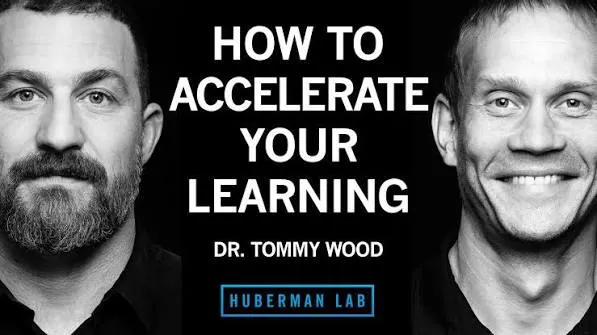
How to Keep Your Brain Sharp at Any Age: 6 Lessons From Dr. Tommy Wood on Huberman Lab
Our Chief Science Officer, Dr. Tommy Wood, joined Andrew Huberman on the Huberman Lab podcast for a nearly three-hour conversation titled "Accelerate Learning & Increase Cognitive Capacity." His core message: your brain keeps adapting to whatever you ask of it, at 40 and at 75. Staying sharp is less about your age and more about whether you keep giving your brain new, challenging inputs, move your body before and around mental work, eat a high-quality overall diet, and test your biomarkers instead of guessing at supplements.
Here are the six takeaways we think are most worth acting on, plus where to start if you want to put them into practice.
Does aging itself cause cognitive decline?
Not in the way most people assume. According to Wood, aging itself is not the primary driver of decline. Your brain keeps the capacities you use and prunes the ones you stop using, so much of what we call age-related decline comes from no longer giving the brain new, challenging inputs. Encouragingly, he notes that mental processing speed tends to hold steady until around age 60.
That reframing matters. If decline is largely about disuse rather than age, then the inputs you choose, at any age, are levers you control.
What activities actually keep your brain sharp?
The activities that build cognitive capacity share three traits: they are new, hard, and ideally social.
Crosswords and sudoku, Wood points out, are more relaxing than challenging. They exercise skills you already have. To actually build capacity, pick something that stretches you and mixes movement, thinking, and other people:
- Dancing has the best evidence, ballroom and square dancing especially
- Ball sports and martial arts
- Learning a language
Part of the trick is getting comfortable being a beginner. The discomfort of making mistakes is not a sign you picked the wrong activity. It is what drives the learning.
Do you need to be in a flow state to learn?
No. Real learning, and even peak performance, often happens in what athletes call a clutch state, where the work still feels like hard work.
What matters more is structure. Hard mental work is really only sustainable in 20 to 30 minute focused blocks, so work in chunks and protect them from distraction. Even having a phone in the room carries a cost to focus.
How does exercise improve learning and memory?
Wood describes exercise as two brain tools in one:
- In the moment: a short 20 to 30 minute jog or strength session right before mental work sharpens learning during that session.
- Over time: harder aerobic work, like intervals, builds the hippocampus and supports memory, while resistance training builds the brain's white matter and supports decision-making.
The practical answer to "cardio or weights for brain health?" is both, and if you can, schedule some of it right before your most demanding mental work.
What should you eat, and should you take supplements?
On diet, whole-food patterns like the Mediterranean and MIND diets have the best evidence, and it is overall diet quality, not any single food, that matters.
On supplements, Wood's advice is to test your levels rather than guess, because the standard "normal" lab range is not the same as the optimal one. His clearest example: omega-3 and B vitamins only work when you have both. That interdependence is exactly why we measure homocysteine and other brain-specific biomarkers in Blueprint rather than blanket-recommending a supplement stack.
For supplements with modest, real support, he points to creatine and a basic omega-3 plus B-vitamin stack. Our picks in those categories, including Advanced DHA, Thorne Creatine, and MethylAssist, are all in the Picks library, and Picks is now HSA/FSA eligible through our partnership with TrueMed.
What else protects long-term brain health?
Some of the biggest protections are indirect. Blood pressure, cholesterol, hearing, and metabolic health all shape long-term brain health. Avoiding serious illness matters too, because cognition tends to step down after a major sickness rather than declining smoothly.
One finding Wood flags as worth watching: the shingles vaccine has been associated with lower dementia risk across several large studies.
Where to start
You do not need a perfect routine or new technology. The conversation points to a short list: work on something hard and a little new, move before mental work, get real sleep, and test before you supplement.
That last step is where BetterBrain can help. Blueprint covers the testing, 50+ biomarkers plus cognitive testing and a 1:1 consultation to walk through your results, for $89 with insurance. And if you finish your results thinking "okay, but what should I actually do," that is what our 12-week Coaching Program is for. 92% of eligible customers pay $0 with insurance.
If you want to go deeper, listen to the full episode, and check out Tommy's new book, The Stimulated Mind: Future-Proof Your Brain from Dementia and Stay Sharp at Any Age, which covers the same ground in more depth through his 3-S model: challenge the brain, feed it, and let it recover.
Frequently asked questions
At what age does cognitive decline start?
Later than most people think. Wood notes that mental processing speed tends to hold steady until around age 60, and that much of what we attribute to aging actually reflects reduced challenge. The brain keeps what you use and prunes what you stop using, at any age.
Are crosswords and sudoku enough to keep your brain sharp?
Probably not. Wood describes them as more relaxing than challenging, since they exercise skills you already have. To build new capacity, choose activities that are new, hard, and social, like dancing, ball sports, martial arts, or learning a language.
What is the best exercise for brain health?
Both aerobic and resistance training, for different reasons. Harder aerobic work like intervals builds the hippocampus and supports memory, while resistance training builds white matter and supports decision-making. A 20 to 30 minute session right before mental work also sharpens learning in the moment.
Should I take supplements for brain health?
Test first. Standard "normal" lab ranges are not the same as optimal ranges, and some nutrients depend on each other. Omega-3 and B vitamins, for example, only work when you have both, which is why measuring biomarkers like homocysteine beats guessing. Creatine and a basic omega-3 plus B-vitamin stack have modest, real evidence behind them.

You Can Now See the Studies Behind Every BetterBrain Recommendation
There's a lot of brain health advice on the internet, and most of it comes with the same problem: no way to tell where it came from or whether it's trustworthy.
Someone tells you sauna is good for your brain. Or that you should be lifting. Or that omega-3s matter. And you're left to either take it on faith or go digging through PubMed yourself. Most people, reasonably, just take it on faith.
We've never loved that. Trust in health advice should be earned, not assumed. So we did two things worth telling you about.
The Content Library: curated, not crowdsourced
If you haven't spent time in the Content Library inside your dashboard, it's worth a look. It's a growing, curated collection of the best brain health content we can find: videos, podcasts, articles, and clips from people who actually know what they're talking about.
Think Andrew Huberman on light and sleep. Rhonda Patrick on sauna and exercise. Our own Chief Science Officer, Dr. Tommy Wood, on reducing cognitive decline. And a lot more.
You can search it, filter by format, and save what you want to come back to. And BeBe, our AI assistant, can point you to the right thing for wherever you are. Ask about sleep, and it hands you the specific episode worth your time instead of making you wade through everything. It's the difference between a search engine and a good friend who's already done the reading.
Not a BetterBrain client yet? You can access the Content Library for free with a Self-Directed account.
The studies behind your plan
This is the part we're most excited about.
Every technique and recommendation in your BetterBrain plan is now linked to the actual research behind it: the specific studies connected to the specific practice, biomarker, or body system they support. When BeBe or your coach suggests something, you can trace it straight to the evidence and see how strong it is.
This was a big project. It brings roughly 1,500 studies into the app, each mapped to the techniques and markers it relates to. Weak or unsupported studies were deliberately left out, so what's linked is the evidence we'd actually stand behind.
Why evidence strength matters
Not every recommendation carries the same weight. Some are backed by large randomized controlled trials. Others rest on smaller or observational work. You deserve to know which is which.
Linking the studies does two things. It keeps us accountable to the evidence. And it lets you make informed decisions instead of just following instructions.
It's the same standard we hold ourselves to internally: when a new study comes out, we read it, assess it, and only fold it into what we recommend if it holds up.
Why this fits how we think about brain health
Brain health is a field with real science and a lot of noise, and the two are easy to confuse. We try to stay on the science side of that line and be honest about what's solid, what's promising, and what's still an open question.
Making the research visible is that principle made concrete. If we recommend it, you should be able to check it.
How to explore
Open any technique in your plan and scroll to the bottom to see the relevant studies. Or ask BeBe why it recommends any technique in your plan, and follow the research yourself.
And if you're reading this as someone who hasn't started with us yet: this is what BetterBrain is. Evidence-based guidance to sharpen your brain health now and reduce dementia risk long-term, backed by research you can verify rather than wellness advice you have to trust blindly. BetterBrain coaching is covered at $0 for 92% of approved clients. See if you're covered.
Bottom line
The Content Library puts the best brain health content in one curated place. And every technique in your plan is now linked to the real research behind it.
Trust in health advice should be earned. Now you can check ours.

Grey Matters: The 8-week practice that physically changes your brain
This week, we're exploring stress and brain health: what chronic stress does to your hippocampus (your brain's memory center), how mindfulness and other stress management techniques reverse that damage with measurable structural changes, and what an effective practice actually looks like.
From mechanisms to practical starting points, here's why managing stress isn't just about quality of life, it's about protecting your cognitive future.
Bottom line: Chronic stress doesn't just feel bad, it physically shrinks your hippocampus, the brain's primary memory center. Mindfulness meditation reverses this process, with structural brain changes visible on MRI after just 8 weeks.
Stress is easy to dismiss as a quality-of-life issue rather than a brain health issue. But the neuroscience tells a different story.
The problem: When your brain perceives a threat, it releases cortisol. In short bursts, this is adaptive, it helps you respond to challenges. Under chronic stress, sustained cortisol elevation becomes toxic to your neurons, particularly in the hippocampus. Your hippocampus is packed with cortisol receptors. Over time, chronic cortisol exposure causes the neural branches that allow brain cells to communicate to shrink. This leads to measurable hippocampal volume loss, reduced formation of new brain cells, and impaired memory. This process overlaps directly with early Alzheimer's pathology. Hippocampal shrinkage is one of the earliest detectable structural changes in Alzheimer's progression, and chronic psychological stress is now recognized as a modifiable dementia risk factor in its own right.
What mindfulness does instead: In 2011, researchers at Harvard-affiliated Massachusetts General Hospital published a landmark neuroimaging study. Using MRI, they measured brain gray matter density before and after 8 weeks of mindfulness practice in healthy adults. Participants showed measurable increases in gray matter in the hippocampus and the brain regions involved in learning and emotional regulation. At the same time, gray matter in the amygdala (the brain's primary stress and threat-detection center) decreased. A control group who didn't practice mindfulness showed none of these changes. This wasn't comparing long-term meditators to non-meditators. It was before-and-after imaging of the same brains, across 8 weeks of practice.
The mechanism: Mindfulness practice reduces cortisol output, calms the amygdala's threat response, and reduces chronic low-grade inflammation associated with sustained stress. These are the same pathways implicated in accelerated cognitive aging.
Technique Spotlight
What this looks like in practice
The science: Stress management works through overlapping biological pathways: reducing cortisol output, calming your nervous system's threat response, and lowering systemic inflammation. Different techniques access these pathways in different ways, which means you have options.
Getting started with the Essential interventions:
- Slow and deep breathing (Essential): Controlled breathing activates your parasympathetic nervous system, your body's "rest and digest" mode. Even a few minutes measurably reduces cortisol and heart rate. Often the easiest entry point.
- Mindfulness meditation (Essential): The technique behind the brain imaging study above. Consistent practice, even 8 to 10 minutes daily, produces measurable effects on stress hormones and self-reported stress within a few weeks.
- Nature exposure (Essential): Time in natural environments reduces cortisol, lowers blood pressure, and improves mood. The effect is dose-dependent.
- Social support (Essential): Strong social connections buffer against stress-related brain damage.
What 10 minutes of mindfulness looks like: Find a quiet spot and sit comfortably. Bring your attention to the physical sensation of your breath, the air moving in and out. Your mind will wander, that's not failure, that's the exercise. Each time you notice it drifting and bring it back, you're doing the rep that builds the skill. There's no perfect posture and no requirement to empty your mind. Just ten minutes of practicing the return.
BetterBrain Tip: Don't overthink which technique to start with. If sitting meditation feels like a stretch, start with a few minutes of slow breathing or a walk outside. The research is clear on this point: the technique that protects your brain is the one you'll actually do.
Featured Biomarker
Tracking stress and its effects
You can't feel your inflammation dropping, but you can measure it. Chronic stress shows up in your bloodwork as elevated hs-CRP, one of the same inflammatory markers associated with cognitive decline. When your stress management practice starts working, that number moves, and BetterBrain's lab panels let you watch it happen.
The effects ripple outward from there. Sleep quality typically improves within weeks of consistent practice, and better sleep gives your glymphatic system (your brain's overnight waste-clearance crew) more time to do its job.
This is what makes stress management such a high-leverage intervention. It never works alone: better stress regulation improves your sleep, better sleep amplifies the benefits of exercise, and lower inflammation makes anti-inflammatory nutrition work harder. Pull one lever and the whole system responds.
BetterBrain Tip: If you're working with a Brain Health Coach, the De-Stress section of your protocol is a natural starting point.
Ready to build a personalized stress management practice? Check if your insurance covers coaching.
Know someone who might benefit from BetterBrain?
Share this referral link and they'll get Essentials labs (50+ biomarkers) for just $39 (normally $89), plus access to $0 coaching with insurance.
Get immediate insights with a 3 minute assessment
Start now.webp)
GreyMatters
How to Personalize Your Brain Health Plan With Your Own Data
How to Personalize Your Brain Health Plan With Your Own Data
Most brain health advice is useful, but it is also designed for the average person.
Sleep more. Move often. Eat a nutritious diet. Manage stress. Build strength.
These fundamentals matter. But they cannot tell you which risk factors deserve the most attention, what may be changing in your body, or whether your current routine is producing the results you want.
Personalized brain health guidance uses your own labs, health history, sleep, activity, habits, and goals to help determine where to focus first.
BetterBrain members can now bring more of that information into My Vault, the health data home inside the BetterBrain platform. You can upload previous lab results, connect wearable data, and import relevant health context from an AI assistant such as ChatGPT, Claude, or Gemini.
All three tools are available free across BetterBrain accounts.
Why Does Generic Brain Health Advice Have a Ceiling?
General health advice tells you what tends to help people on average. It cannot tell you which intervention is likely to matter most for you.
Two people can follow the same routine and have very different needs because they begin with different:
- Biomarker levels
- Genetics and family histories
- Sleep patterns
- Activity levels
- Medical histories
- Medications and supplements
- Diets, habits, and goals
One person may need to focus on improving sleep consistency. Another may already sleep well but have an elevated cardiovascular risk marker that deserves more attention. A third may be exercising regularly but not recovering adequately.
That is why personalization matters. It helps turn broad recommendations into clearer priorities.
Research has also found that multidomain brain health interventions tailored to individual risk profiles can produce better cognitive outcomes than general health information alone. You can read the randomized controlled trial published in Nature Medicine here.
What Is Personalized Brain Health Guidance?
Personalized brain health guidance applies current research to information about your own health.
Instead of simply telling everyone that sleep is important, personalized guidance can consider:
- How much you are actually sleeping
- Whether your sleep duration or consistency is changing
- How your sleep relates to your activity and recovery
- Whether your current protocol appears to be helping
- Which other risk factors may deserve attention
Personalization does not replace the fundamentals. It helps identify which fundamentals matter most for you, where to begin, and what to monitor over time.
How Does My Vault Help Personalize Your Brain Health Plan?
My Vault brings several sources of health information together inside your BetterBrain account.
You can use it to:
- Upload previous laboratory results
- Connect sleep and activity data from a wearable
- Import relevant health context from another AI assistant
Together, these tools give BeBe, BetterBrain’s AI brain health coach, a more complete picture of your health and goals.
Upload Past Lab Results and Track Changes Over Time
A single laboratory result is only a snapshot. The trend often provides more useful context.
If you have previous results stored in a patient portal, computer folder, email, or paper file, you can upload them to My Vault as a PDF or image. BetterBrain can extract the biomarker results and display them alongside your current numbers.
Tracking results over time can help you understand:
- Whether a biomarker is moving in the desired direction
- Whether a change is new or part of a longer pattern
- How your results respond to changes in your routine
- Whether an intervention appears to be working
- Which markers may deserve further discussion with your clinician
For example, a cholesterol result may appear acceptable when viewed alone. But seeing several years of results together could reveal that the number has been steadily increasing or improving.
Your brain health plan should respond to what is changing, not just what appeared on one test.
Link Your Wearable Data
Questionnaires capture what you remember. Wearables can capture what is happening each day.
If you use a fitness tracker or smartwatch, you can connect it to BetterBrain through the BeBe app and Apple Health. You choose which information you want to share, and you can change the permissions or disconnect the integration at any time.
Depending on your device and permissions, wearable data may provide useful context about:
- Sleep duration
- Sleep consistency
- Daily movement
- Exercise
- Heart rate
- Recovery patterns
- Changes in routine
This can make guidance more specific.
Instead of receiving another reminder that sleep is important, you may be able to see that your sleep duration is adequate but inconsistent, or that your activity has declined over the past several weeks.
The goal is not to obsess over every daily number. It is to recognize meaningful patterns that may otherwise be easy to miss.
Import Your AI Memory
Many people already use ChatGPT, Claude, or Gemini to discuss their health, routines, goals, and preferences.
You may have already told an AI assistant about:
- Your health history
- Current symptoms or concerns
- Injuries
- Medications and supplements
- Family medical history
- Exercise habits
- Diet
- Sleep
- Health goals
- How you prefer advice to be delivered
- Strategies you have already tried
You can now bring that context into BetterBrain instead of starting from the beginning.
Visit Import AI Memory inside My Vault. You will see a prompt that you can open or paste into the AI assistant you use. The assistant will organize the relevant information it knows about you. You can then review the response and paste it into BetterBrain.
The process takes about a minute.
Once imported, BeBe can begin with more context about your history, preferences, goals, and previous efforts.
How Is BeBe Different From ChatGPT, Claude, or Gemini?
General AI assistants draw from broad knowledge across an enormous range of subjects. Their responses are also largely shaped by what you choose to tell them in each conversation.
BeBe is built specifically for brain health. It is grounded in brain health research that has been reviewed and interpreted by BetterBrain’s scientists and clinicians.
BeBe can then apply that specialized knowledge to information within your BetterBrain account, including:
- Your laboratory history
- Wearable sleep and activity data
- Health profile
- Current brain health protocol
- Uploaded documents
- Coaching insights
- Imported health context
- Personal goals and preferences
The distinction is specialized brain health science combined with your personal data.
A general assistant may repeat common recommendations. BeBe is designed to help you understand how the evidence relates to your own risks, results, and priorities.
Is My Health Information Private?
Your imported information stays private to your account and is used to personalize your guidance.
You control what you upload, what wearable information you share, and whether you want to delete information later. Wearable permissions can also be changed or turned off at any time.
Only import information you are comfortable storing in your BetterBrain account.
How Do I Get Started With My Vault?
You do not need to complete everything at once.
Start with whichever option is easiest:
- Upload one previous lab report.
- Connect your wearable through the BeBe app and Apple Health.
- Import relevant health context from ChatGPT, Claude, or Gemini.
- Review your health profile and current protocol.
- Ask BeBe what patterns or priorities stand out.
All three personalization tools are available with a free Self Directed BetterBrain account.
Members who want to go further can also purchase laboratory testing through Blueprint or enroll in the BetterBrain Coaching Program.
Frequently Asked Questions About Personalized Brain Health Guidance
What is personalized brain health guidance?
Personalized brain health guidance applies scientific evidence to information about your individual labs, health history, sleep, activity, habits, risk factors, and goals. It helps identify which actions may deserve the most attention for you.
What is BetterBrain My Vault?
My Vault is the health data home within your BetterBrain account. It allows you to upload lab reports and other files, complete your health profile, record your current protocol, connect wearable data, and import relevant health context from another AI assistant.
Why should I upload previous lab results?
Previous results help establish a trend. Comparing multiple tests over time can show whether a biomarker is improving, worsening, or remaining stable.
What wearable data can BetterBrain use?
Available data depends on your device and Apple Health permissions. It may include sleep, activity, exercise, heart rate, and other daily health metrics.
Can I control which wearable information I share?
Yes. You choose which Apple Health categories to share and can update your permissions or disconnect the integration later.
What does importing AI memory mean?
Importing AI memory means asking ChatGPT, Claude, or Gemini to summarize relevant information it already knows about your health, preferences, habits, and goals. You can review that response before pasting it into BetterBrain.
Does BetterBrain automatically access my ChatGPT or Claude conversations?
No. You choose what to export, review the response, and manually paste it into BetterBrain.
How long does it take to import AI memory?
The process typically takes about a minute. BetterBrain provides a prompt that helps your existing AI assistant organize the relevant information.
Are the My Vault personalization tools free?
Yes. Uploading previous labs, connecting wearable data, and importing AI memory are available across BetterBrain accounts, including free Self Directed accounts.
Does BeBe replace a doctor?
No. BeBe provides educational brain health guidance and helps you understand your data and potential priorities. It does not replace medical diagnosis, treatment, or care from a licensed healthcare professional.
Grey Matters: 1-minute "exercise snacks" boost brain health (no gym required)
Content Corner
Exercise Snacks Boost Cardiorespiratory Fitness in Inactive Adults
Bottom Line: A comprehensive systematic review published in the British Journal of Sports Medicine found that exercise snacks, described as brief bursts of vigorous activity lasting one minute or less, significantly improve cardiorespiratory fitness in physically inactive adults.
What are exercise snacks: Think sprinting up stairs, doing jumping jacks, high knees, burpees or any movement that gets your heart rate up quickly in under a minute, performed periodically throughout the day.
About the research: Researchers analyzed 11 clinical trials involving 414 sedentary or physically inactive adults (69% women). The results?
- Strong evidence for cardiorespiratory benefits in previously inactive adults
- Time-efficient approach overcomes barriers like perceived lack of time
- Less evidence for body composition or resistance training benefits: exercise snacks are specifically powerful for cardiovascular and metabolic health
Dr. Rhonda Patrick's take: Dr. Patrick is a big proponent of exercise snacks and goes into length about them in this video. She highlights research showing that just 3-4 minutes of these brief activities daily can reduce overall mortality risk by 25-30%. Increasing to 9 minutes daily can reduce cardiovascular mortality by 50% and cancer mortality by 40%.
BetterBrain expert insight: Our coaches recommend exercise snacks to clients who are inactive and want to get started. The evidence is very strong for cardiorespiratory fitness, especially if you're sedentary or relatively untrained. While they won't replace comprehensive strength training, they're an excellent entry point for brain health.
Evidence-Based Strategies:
Implementing Exercise Snacks
Here's how to integrate exercise snacks into your day for maximum brain health benefits.
The basic protocol:
- Duration: 30 seconds to 2 minutes per snack
- Intensity: Vigorous enough to spike your heart rate significantly
- Frequency: 3 times per day, separated by 1-4 hours
- Start with: 3 days per week, work up to 5-7 days
Simple options:
- Stair sprinting (60 steps)
- Jumping jacks (30-60 seconds)
- High knees (1 minute)
- Air squats (as many as possible in 60 seconds)
- Burpees (10-20 reps)
Strategic timing:
- Morning: Kickstart metabolism after waking
- Mid-morning: Break up sedentary time around 10 AM
- Afternoon: 2-3 PM to combat energy slump (better than caffeine!)
- Around meals: 30 min to 1 hour before/after eating improves glucose regulation
Breaking up sedentary time: Being sedentary is an independent risk factor for cognitive decline. Exercise snacks are particularly effective at countering the negative effects of prolonged sitting.
BetterBrain Tip: Have a long day at the desk ahead? Set a timer for every few hours to remind yourself to get up and move.
BetterBrain Brain Health Practice: Movement
Exercise snacks are one practical application of Movement, one of BetterBrain's 11 core brain health practices.
Why movement matters for your brain: Exercise is arguably one of the most important practices for brain health. Physical activity increases cerebral blood flow, promotes neurogenesis (growth of new brain cells), reduces inflammation, and enhances the production of brain-derived neurotrophic factor (BDNF) which is essentially fertilizer for your brain.
The cardiorespiratory-cognitive connection: Your cardiorespiratory fitness level is one of the strongest predictors of cognitive function and dementia risk throughout the lifespan. Higher VO2max correlates with larger brain volume, better executive function, and reduced Alzheimer's pathology.
Multiple pathways to brain health:
- Aerobic exercise: Improves oxygen delivery, enhances mitochondrial function, promotes angiogenesis (new blood vessel formation in the brain)
- Resistance training: Builds muscle mass that serves as a metabolic sink for glucose, releases myokines that support brain health
- High-intensity intervals: Produces lactate that fuels the brain and triggers BDNF release more effectively than moderate-intensity exercise
The movement spectrum: BetterBrain recognizes that optimal brain health requires a mix of movement types:
- Daily movement: Breaking up sedentary time, walking, light activity
- Vigorous bursts: Exercise snacks, VILPAs, sprint intervals
- Structured aerobic: Zone 2 cardio, sustained moderate-intensity exercise
- Strength training: Progressive resistance training 2-3x per week
- Balance and coordination: Activities that challenge motor skills and proprioception
BetterBrain's approach: We assess your current activity level, identify barriers, and create a progressive movement plan tailored to your fitness level and goals.
The bottom line: Movement is non-negotiable for brain health. Whether you start with exercise snacks, structured workouts, or simply walking more, the key is consistency. Your brain needs regular physical activity to maintain cognitive function.
Grey Matters: The Science Behind Brain Inflammation & Sweet Alternatives
Featured Biomarker
hs-CRP: A Marker of Inflammation
What it is: High-sensitivity C-reactive protein (hs-CRP) is a marker of low-level, systemic inflammation in the body.
Why it matters: Elevated hs-CRP has been linked to cognitive decline and an increased risk of Alzheimer's disease. Chronic inflammation can disrupt brain health by promoting neurodegenerative processes, leading to neuron damage and reduced cognitive function.
How to improve it: Anti-inflammatory interventions like a balanced diet, regular exercise, and possibly supplementation with omega-3 fatty acids can help lower hs-CRP levels.
CONTENT CORNER
Unlocking the Power of Omega-3 Fatty Acids
Bottom line: It's critical to get 1-2 grams of DHA per day if your goal is to minimize dementia risk and optimize cognitive function.
Omega-3 fatty acids, especially DHA, are essential nutrients that play a crucial role in brain health and cognitive longevity. Found predominantly in fish oil, these fatty acids help reduce inflammation, support neuronal health, and protect against cognitive decline. Studies have shown that individuals with higher levels of omega-3s are less likely to experience age-related cognitive deterioration.
Most people don't consume enough DHA — experts recommend consuming 1-2 grams daily, whereas most fish oil supplements will get you less than 500mg.
In our latest GreyMatters blog post, we dive into how omega-3s counteract inflammation markers like hs-CRP, which is linked to increased Alzheimer's risk, as discussed above. We also explore their role in supporting synaptic plasticity—the brain's ability to form new connections, which is essential for learning and memory.
If you're looking to optimize brain health or have elevated inflammatory markers, omega-3 intake might be a powerful addition to your wellness strategy.
BETTERBRAIN HACK
satisfying your sweet tooth
Craving something sweet? While excessive sugar intake has been linked to inflammation and cognitive decline, there's a promising alternative: allulose. This naturally-occurring sweetener has 95% fewer calories than sugar and may actually help lower blood glucose levels, making it perfect for baking and cooking while protecting brain health.
BetterBrain Tip: Try replacing sugar with allulose in your baking and cooking (use a 1:1 ratio). While it's slightly less sweet than regular sugar, it provides the same mouthfeel without blood sugar spikes. Note that allulose will brown more quickly when baking.
The Science: Research shows allulose differs from regular sugar by just one molecule, but this tiny change means it's largely excreted instead of being metabolized. In a detailed analysis, Dr. Peter Attia explains how studies suggest allulose may help reduce abdominal fat, decrease insulin resistance, and protect against type 2 diabetes - all factors that contribute to better brain health.
VERVE-102: A One-Time Gene Edit for Cholesterol, and Why It's a Brain Story | BetterBrain
Every so often a piece of research comes along that makes you stop and appreciate how far medicine has come. This is one of those.
Researchers just reported early results for a one-time treatment that durably lowers LDL cholesterol by editing a single gene. One infusion, with effects that have held for up to a year and a half so far, and likely to last a lifetime. It's very early research in a small, specific group of patients, and it's years from a doctor's office. But the underlying biology is some of the most well-studied in all of cardiovascular medicine, and it connects directly to your brain.
Editing one gene to lower cholesterol
The therapy, called VERVE-102, targets a gene called PCSK9. PCSK9 is a protein that reduces your liver's ability to clear LDL cholesterol from your blood. The more PCSK9 activity you have, the fewer LDL "receptors" your liver keeps available to pull LDL particles out of circulation.
Here's the reassuring part: some people are born with naturally low-functioning PCSK9 genes, and they tend to have markedly lower LDL across their entire lives, substantially lower rates of heart disease, and no apparent downside. Turning down PCSK9 is a protective pattern scientists have studied for two decades. We already have approved PCSK9-lowering drugs; they just require ongoing injections.
What's new is the delivery. VERVE-102 uses base editing, a precise form of gene editing, to make a single change to the PCSK9 gene in liver cells after one infusion, doing once, durably, what current drugs do repeatedly. In the Heart-2 trial, a single dose lowered LDL by an average of around 50%, and by as much as roughly 69% at the higher doses, with reductions holding for up to 18 months and no treatment-related serious adverse events reported.
The honest caveats
The headline is easy to over-read, so here's the careful version. It's a phase 1b trial, an early stage focused on safety and initial signals in a small number of participants, and it has not been shown to prevent heart attacks, strokes, or cognitive decline. It enrolled a specific, high-risk group (inherited very high cholesterol or early coronary artery disease), so these are not general-population results. And gene editing is genuinely new: the PCSK9 mechanism is exceptionally well understood, but a permanent edit to a gene is a young field whose long-term safety story takes years to write. The likely path is approval first for very high-risk individuals, at significant cost, after a larger phase 2 trial.
Why this is a brain-health story
At BetterBrain, we look at the whole body, because your brain doesn't exist in isolation from it, and few things connect the two as directly as lipids.
Start with ApoB. You've probably heard of LDL cholesterol; ApoB is the more precise number underneath it. Every LDL particle carries exactly one ApoB protein, so LDL-C tells you the amount of cholesterol in LDL particles, while ApoB tells you the number of particles actually driving damage in your artery walls. When the two disagree, ApoB is the better predictor of risk. Lowering PCSK9, through these new therapies or the drugs we already have, lowers both.
Now connect it to the brain. The blood vessels that feed your brain face the same lipid-driven damage as the ones feeding your heart, and that vascular damage is one of the major pathways of cognitive decline. Protecting your lipids over a lifetime is protecting your brain, especially for people who tend to run higher LDL, including APOE4 carriers. That's one reason lipid management is a core part of what we do.
What this means for you, right now
You don't have to wait for a therapy that's years away. The target itself, your lipid health, is something you can measure and move today.
Get your ApoB tested, not just standard cholesterol, because it counts the particles actually driving damage. Think of lipids as a lifelong number: it's the decades of cumulative exposure that drive risk, so small, steady improvements compound in your favor, and starting earlier beats starting perfectly. Use the levers you already have, including diet, regular movement, and, where your physician recommends them, proven medications.
If you'd like to see where you stand, BetterBrain Blueprint covers ApoB and 50+ other markers and starts at $89 with insurance, and a BetterBrain coach can pull your full lipid picture into one clear plan, so that whatever arrives in five or ten years, you've protected the decades in between.
An 11-country trial tested brain health advice against structured support
The same brain health advice produced very different results
Most people already know the broad advice for protecting their brain. Exercise regularly. Eat well. Manage blood pressure and blood sugar. Stay socially and mentally engaged. Get enough sleep.
The harder part is following through consistently, especially when work gets busy, routines change, motivation fades, or the original plan does not fit your life very well.
A two-year randomized trial across eleven Latin American countries has now put a number on how much that harder part is worth. Both groups worked on the same broad areas of brain health. One group received ongoing coaching, supervision, and regular group meetings. The other received health education and general recommendations. After two years, the structured group showed 55 percent greater improvement in overall memory, thinking, and reasoning.
The trial, called LatAm-FINGERS, was published in The Lancet and presented at the Alzheimer's Association International Conference.
What the trial tested
The study included 1,065 older adults who were at elevated risk of cognitive decline but did not have dementia. It ran across twelve sites in eleven countries and followed participants for two years.
Both groups worked on the same broad areas of brain health, including physical activity, nutrition, cognitive training, social engagement, and management of cardiovascular risk. The difference was the amount of structure surrounding the work.
The flexible group, 526 participants, attended four meetings over two years. They received health education and general recommendations, but no ongoing coaching or supervision.
The structured group, 539 participants, received supervised exercise, nutrition counseling, cognitive training, cardiovascular risk monitoring, ongoing coaching, and 38 group meetings that provided social connection and accountability.
In other words, the trial was not testing whether lifestyle matters for the brain. That question has been asked before. It was testing how much the way a program is delivered can change the results it produces.
What happened
After two years, the structured group showed 55 percent greater improvement in overall memory, thinking, and reasoning than the more flexible group. They also had greater improvements in executive function and processing speed.
Both groups were working on their brain health, and both improved. The structured group simply improved much more.
That makes the finding more interesting than a comparison between doing something and doing nothing. The broad recommendations were similar. What changed was the frequency of contact, the level of supervision, and the support participants received while putting those recommendations into practice.
Because participants were randomly assigned to the two groups, differences in motivation or baseline health are less likely to explain the result. The structured program itself appears to have contributed to the additional cognitive improvement.
Heather Snyder of the Alzheimer's Association, commenting on the results at the conference, put it simply: "A key message from this study is that structure and social support matter."
The finding builds on the original FINGER trial in Finland, which found that a multidomain lifestyle program could help protect cognitive function in older adults at risk of decline. LatAm-FINGERS took that model and adapted it to local cultures, diets, and habits rather than importing it unchanged, which matters for anyone wondering whether these programs travel.
Read the full LatAm-FINGERS study
What structured support actually does
A brain health plan can look simple on paper and still be difficult to carry out.
A person may leave an appointment intending to exercise four times a week, improve their sleep, change their diet, take several supplements, and reduce stress. Every recommendation may be reasonable. The problem is that seven reasonable priorities are still seven priorities competing with the rest of life.
A few weeks later, the easiest habits are sometimes still happening. The more inconvenient ones have started to disappear, which is where structured support comes into play. It creates a regular opportunity to review what happened, understand why something did not work, and adjust the action plan before one missed week becomes a habit that has quietly been abandoned.
Sometimes the person needs accountability. Sometimes the goal was too ambitious. Sometimes the recommendation needs to change because of travel, an injury, family responsibilities, or a demanding period at work.
The goal is not to follow the original plan perfectly. It is to keep adjusting the plan until it works in real life.
The question the study leaves open
LatAm-FINGERS compared a structured, intensive program with a more flexible, self-guided version focused on the same broad areas of brain health. It did not test whether a personalized action plan works better than a generic one. That is a separate question, and an important one.
Two people can receive the same list of brain health recommendations and have very different needs. One person may need to focus on blood pressure. Another may need to address poor sleep, low cardiovascular fitness, insulin resistance, or a nutritional deficiency first. The markers that shape brain health sit across sleep, metabolic health, cardiovascular health, inflammation, and nutrition, and they do not line up the same way in any two people.
A useful brain health system needs to answer two questions. What matters most for this person, and what will help them keep doing it?
Personalization helps determine the priorities. Structure helps turn those priorities into sustained action.
How BetterBrain approaches both
BetterBrain is one connected system that brings together brain-relevant health information, a personalized action plan, and continued support.
There are two ways to start.
Some people begin with Blueprint, which uses more than 50 brain-relevant biomarkers, cognitive testing, health history, and lifestyle information to identify the areas that matter most for their brain health, with a nurse coach to walk through what the results mean. Instead of receiving a broad list of everything they could improve, they get a personalized action plan ranked by impact.
Others begin with the Coaching Program, where a dedicated brain health coach helps build the action plan, checks in on progress, and adjusts it when life gets in the way. Coaching is often fully covered by insurance, and many commercially insured clients pay nothing out of pocket.
Both starting points lead toward the same goal: a smaller set of meaningful priorities, a realistic action plan, and enough continued support for that plan to last.
The bottom line
The LatAm-FINGERS trial moves the brain health conversation beyond whether lifestyle matters. It shows that the way lifestyle guidance is delivered can meaningfully change the outcome.
Advice alone leaves people responsible for setting priorities, creating a schedule, tracking progress, solving barriers, and knowing when to adjust the plan. A better delivery system does those things with them. It provides clear priorities, regular contact, accountability, opportunities to review progress, and a way to adapt when the original plan stops working. That support helps healthy actions continue long enough to produce meaningful results.
Personalization helps you choose the right actions. Structure helps you keep doing them.
Introducing Grey Matters: 3 Insights for Better Brain Health
Featured Biomarker
Homocysteine: A Key Marker for Cognitive Health
What it is: Homocysteine is an amino acid linked to increased risk of Alzheimer's and other forms of dementia.
Why it matters: High homocysteine can lead to oxidative stress and inflammation, contributing to damage in blood vessels and brain cells. Studies, like the VITACOG study, have shown that elevated homocysteine is an independent risk factor for cognitive decline. By lowering homocysteine, participants decreased their rate of brain shrinkage by 50%!
How to improve: Consider methylated B vitamins, especially B6, B9, and B12, which help reduce homocysteine levels and support brain health. Regular monitoring and targeted supplementation can make a significant difference in reducing this risk factor for dementia.
Peter Attia once referred to this as having a lottery ticket in your back pocket and not knowing it. This is one of the few areas in brain health where a quick win is possible!
BETTERBRAIN HACK
The Power of a Cold Bedroom
Did you know that maintaining a cool bedroom temperature at night can provide significant benefits for your brain health?
Hack: By setting your AC system to cool your bedroom to 65-68°F in the evening, you can optimize your sleep quality and support better cognitive function.
How it works:Your body's temperature naturally lowers during sleep, but keeping the bedroom too warm can increase your core body temperature. This higher core temperature can actually reduce the amount of time you spend in restorative REM sleep, which is crucial for memory consolidation and overall brain health.
The best part? This simple lifestyle adjustment is a low-cost, low-effort intervention with potentially significant impacts on your cognitive resilience and daily mental performance.
Read more about this brain health hack here, or give it a try and see how a cool bedroom can give your brain the optimal conditions to thrive.
CONTENT CORNER
Simple Steps to Protect Your Brain | NPR Health
Bottom Line: Simple daily habits can cut your risk of memory loss and depression by up to 33%. A new scoring system helps track which habits matter most.
About the article: NPR highlights a practical tool developed at Mass General Hospital - the brain care score - that helps people track 12 daily habits that protect brain health. The score looks at things we can all control, such as: sleep, exercise, diet, social connections, and stress management.
Real Results: Ruth Bernstein, a mom of two, uses the score daily: "It's super helpful. I check: Did I get my steps in? How's my sleep? Am I managing stress?" At a recent party, she enjoyed one glass of wine but skipped a second, knowing that limiting alcohol improves her score.
Quick Ways to Help Your Brain:
- Limit alcohol to less than 4 drinks per week
- Add leafy greens and healthy fats to meals
- Take a daily walk
- Stay connected with friends and family
- Get enough sleep
- Manage blood pressure
The Good News: Even small changes add up. Each 5-point increase in your score lowers your risk of late-life depression by 33% and dementia by 27%. Even if you have family history of these conditions, healthy habits can still help protect your brain.
BetterBrain Takeaway: Small, daily habits add up to major brain health benefits. Through our biomarker testing and lifestyle assessment, we help identify the areas where simple changes can have the biggest impact on your brain health. These personalized insights make it easier to focus your efforts where they matter most.